Warner Bros. Shareholders Approve Paramount Skydance Merger in Multibillion-Dollar Deal
The approval clears a major hurdle for the entertainment industry consolidation, though the complex merger still faces additional regulatory reviews.

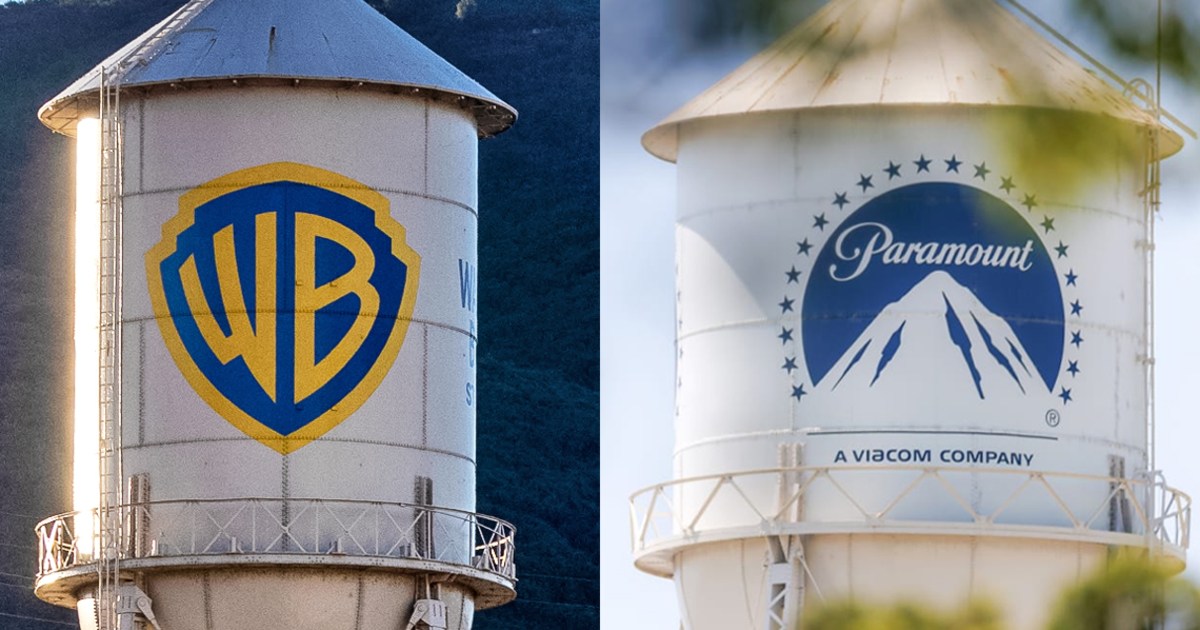
Warner Bros. Discovery shareholders voted to approve the company's acquisition by Paramount Skydance in a landmark decision that moves forward one of the largest entertainment industry mergers in recent years. The multibillion-dollar deal represents a significant consolidation in the media landscape, bringing together major film studios, streaming platforms, and television networks under a single corporate umbrella. The shareholder approval removes a critical obstacle to the merger's completion, though the complex transaction still faces additional regulatory reviews and approval processes before it can be finalized.
The merger combines Warner Bros.' extensive film and television production capabilities with Paramount's historic studio operations and Skydance's modern content creation expertise. Together, the combined entity will control a vast library of intellectual property spanning decades of entertainment history, from classic films to contemporary streaming series. The deal is expected to create substantial cost savings through elimination of duplicate operations and provide enhanced resources for competing with streaming giants like Netflix and Disney in the increasingly competitive entertainment market.
Investors and industry analysts have been closely watching the merger negotiations for months, viewing the combination as a potentially transformative event for Hollywood's traditional studio system. The consolidated company will have significantly greater financial resources to invest in high-budget productions and international expansion, while also benefiting from improved negotiating power with content distributors and technology platforms. The merger reflects broader trends in the entertainment industry toward consolidation as companies seek scale advantages in an increasingly global and digital marketplace.
The approval comes at a time when traditional media companies are facing intense pressure from streaming services and changing consumer viewing habits. By combining their resources, the merged company aims to better compete for audience attention and advertising dollars while reducing operational costs through shared infrastructure and streamlined management. The deal structure includes provisions for maintaining certain creative independence for each brand while capturing synergies in areas like technology development and content distribution.
Despite the shareholder approval, the merger still faces several hurdles before completion, including reviews by antitrust regulators who will examine the deal's potential impact on market competition. Regulatory approval timelines remain uncertain, and authorities may require certain asset divestitures or operational restrictions as conditions for approving the combination. The entertainment industry will be closely monitoring the regulatory review process, as the outcome could influence future merger and acquisition activity in the rapidly evolving media landscape.