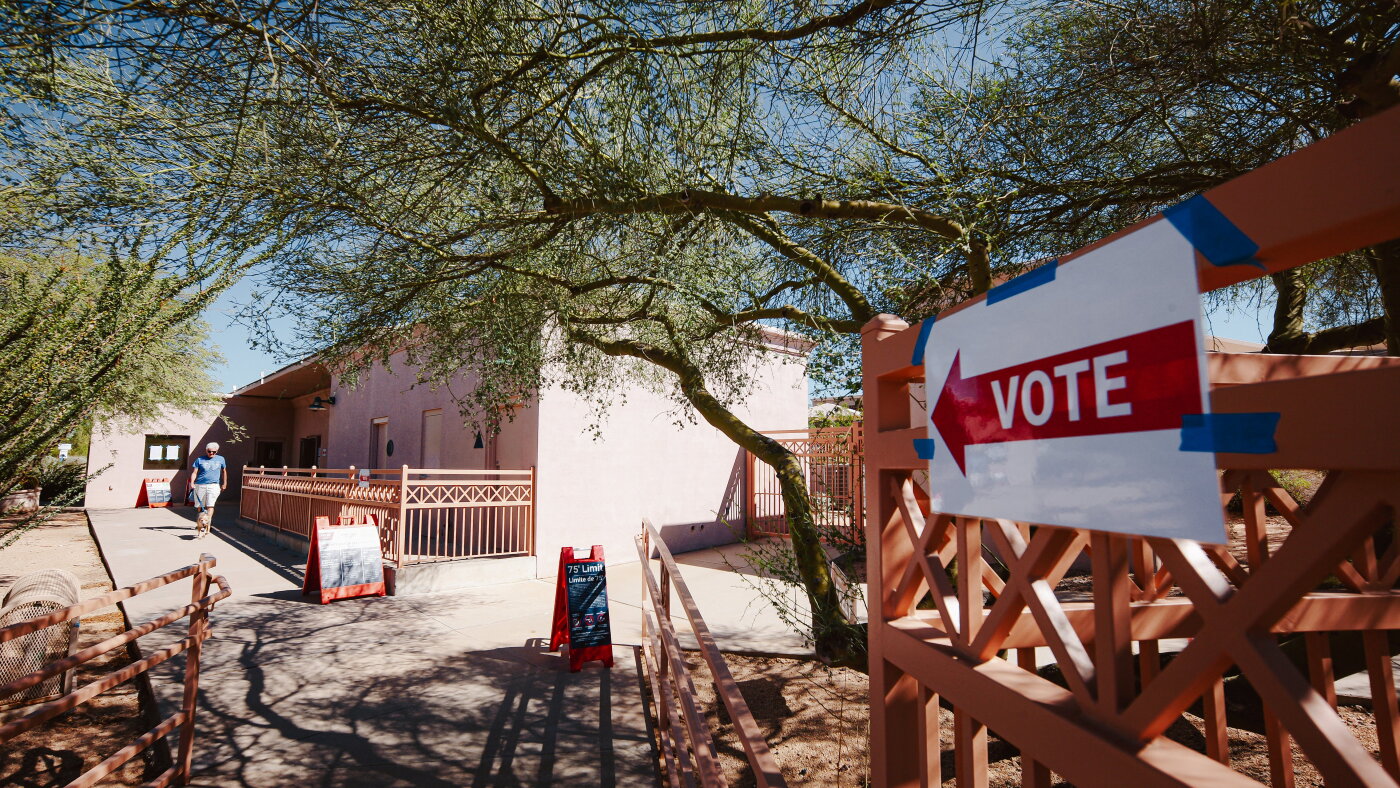
Rights Groups Plan Thousands of Poll Watchers as DOJ Vows Its Biggest Effort Ever
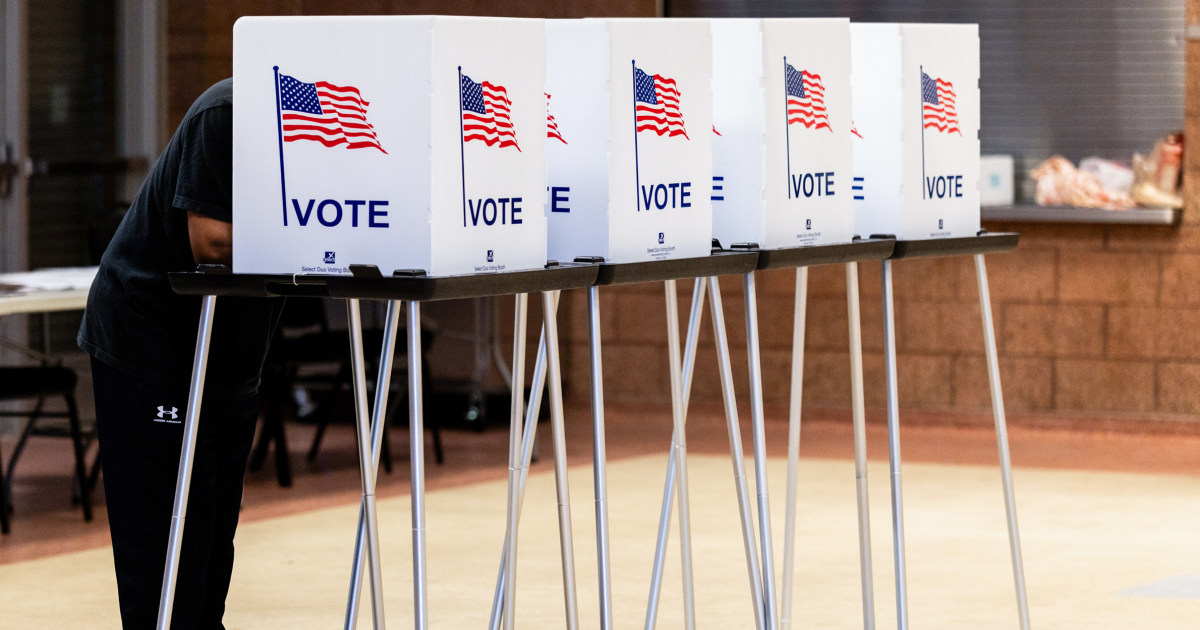
Worry about ICE agents at polling places is driving left-leaning groups to train observers, while the Justice Department says it will send 1,000 monitors.
Topic
32 stories from Planck Standard. Latest: October 16, 2026.

Worry about ICE agents at polling places is driving left-leaning groups to train observers, while the Justice Department says it will send 1,000 monitors.

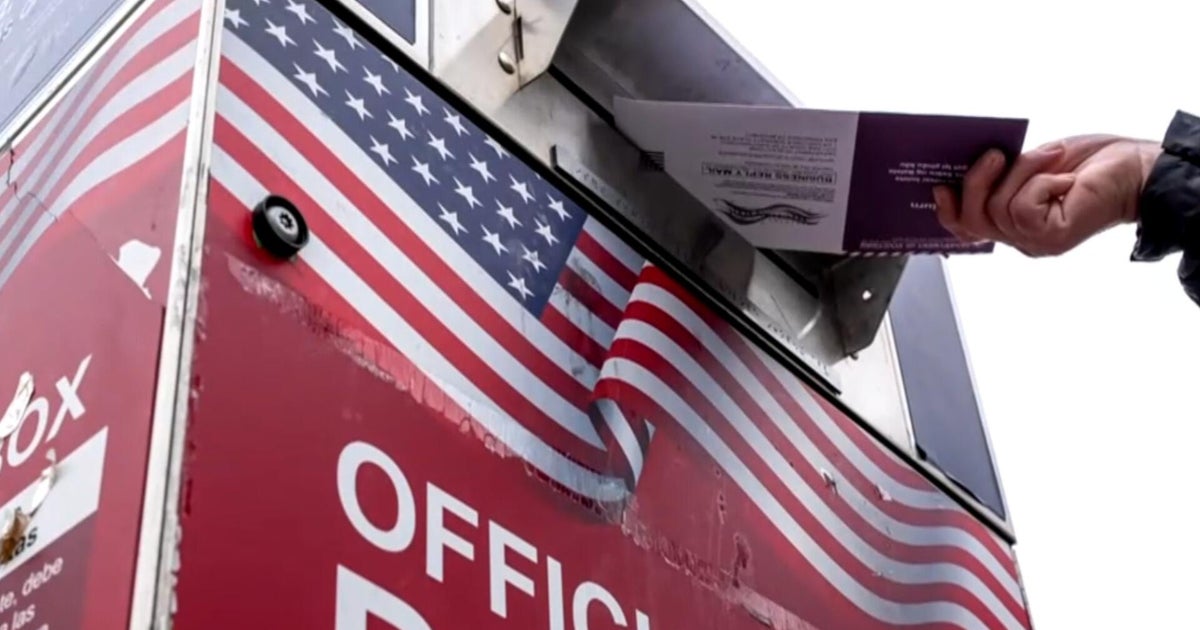
Under Harmeet Dhillon, the division has dropped police and voting cases, pursued law schools and universities over alleged bias against white and Asian students, and hired about 130 replacements, many with little civil rights experience.
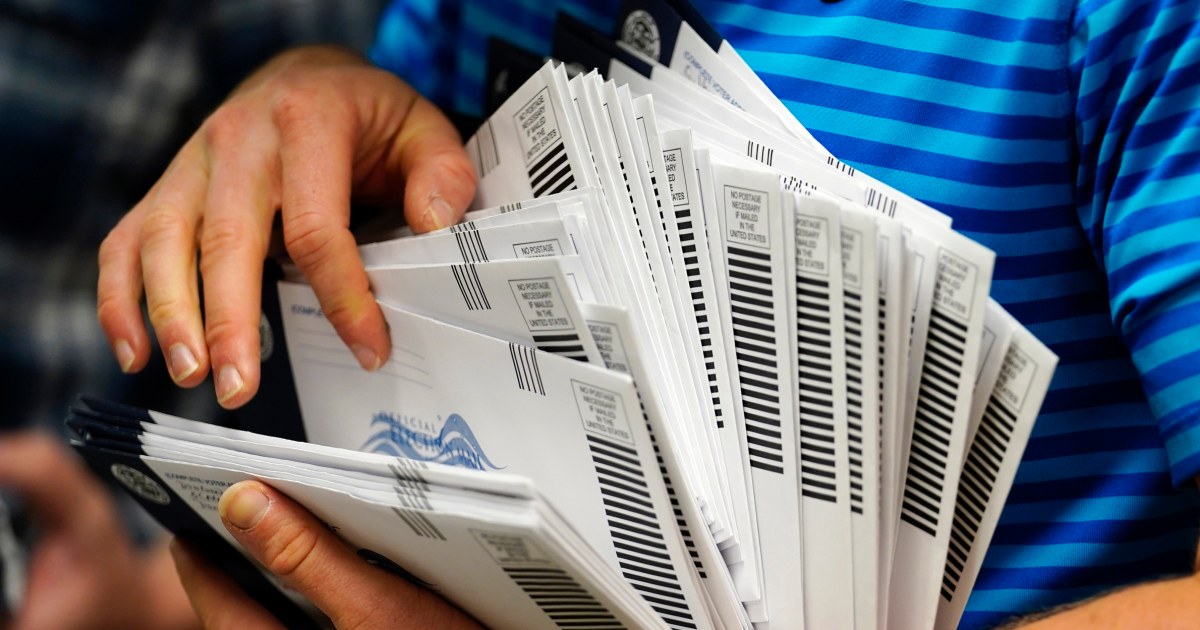
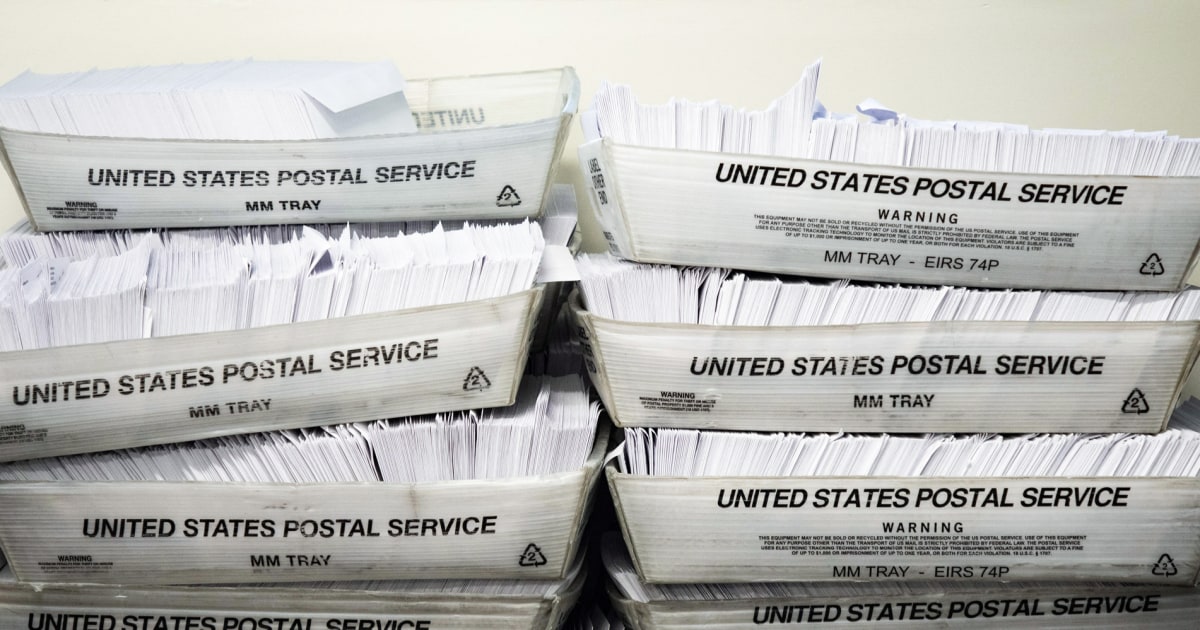
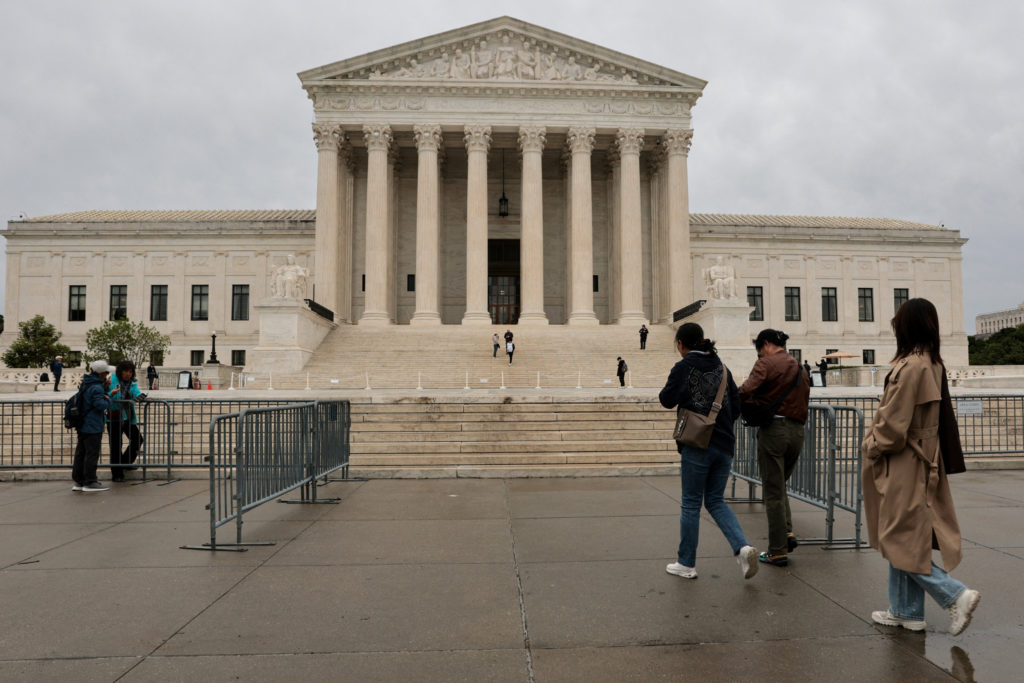
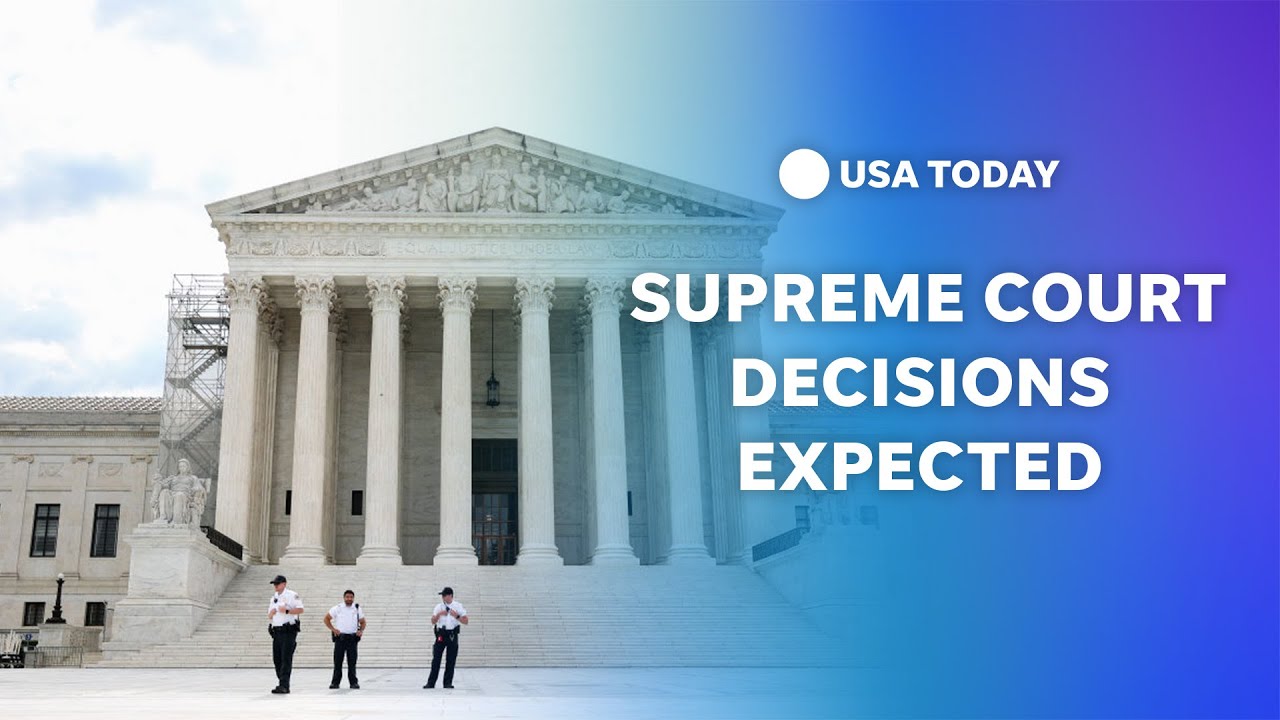
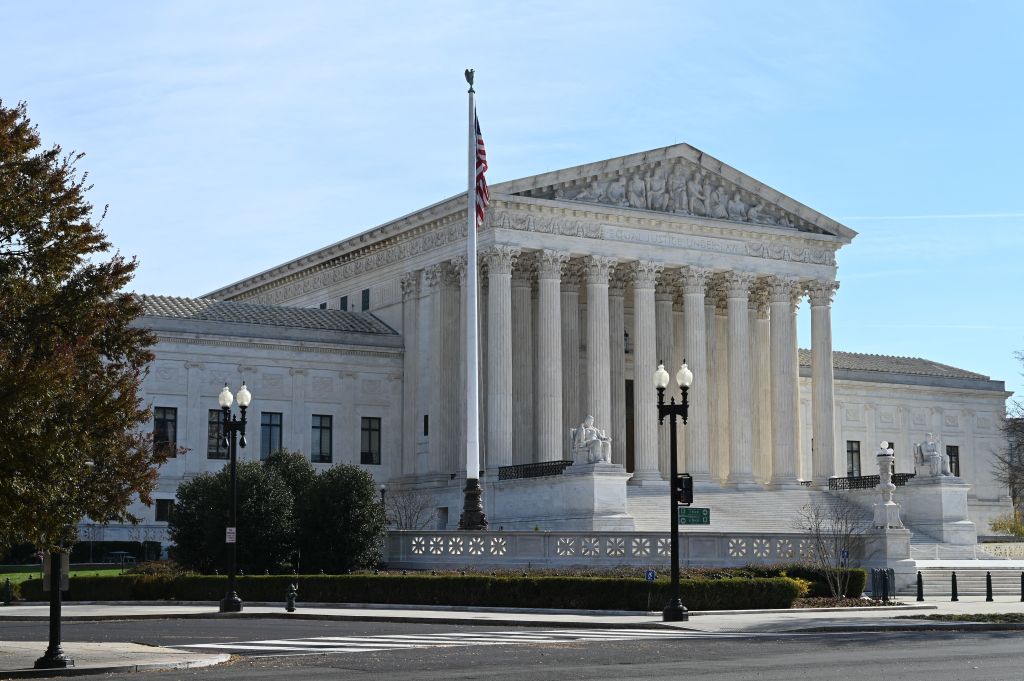
An unsigned, one-paragraph order Monday left in place a Massachusetts judge's injunction against the USPS rule born of Trump's March executive order. Twenty-three states and D.C. had sued, and Justice Kavanaugh wrote that election officials 'do not have sufficient time to reasonably implement the rule before the elections.'

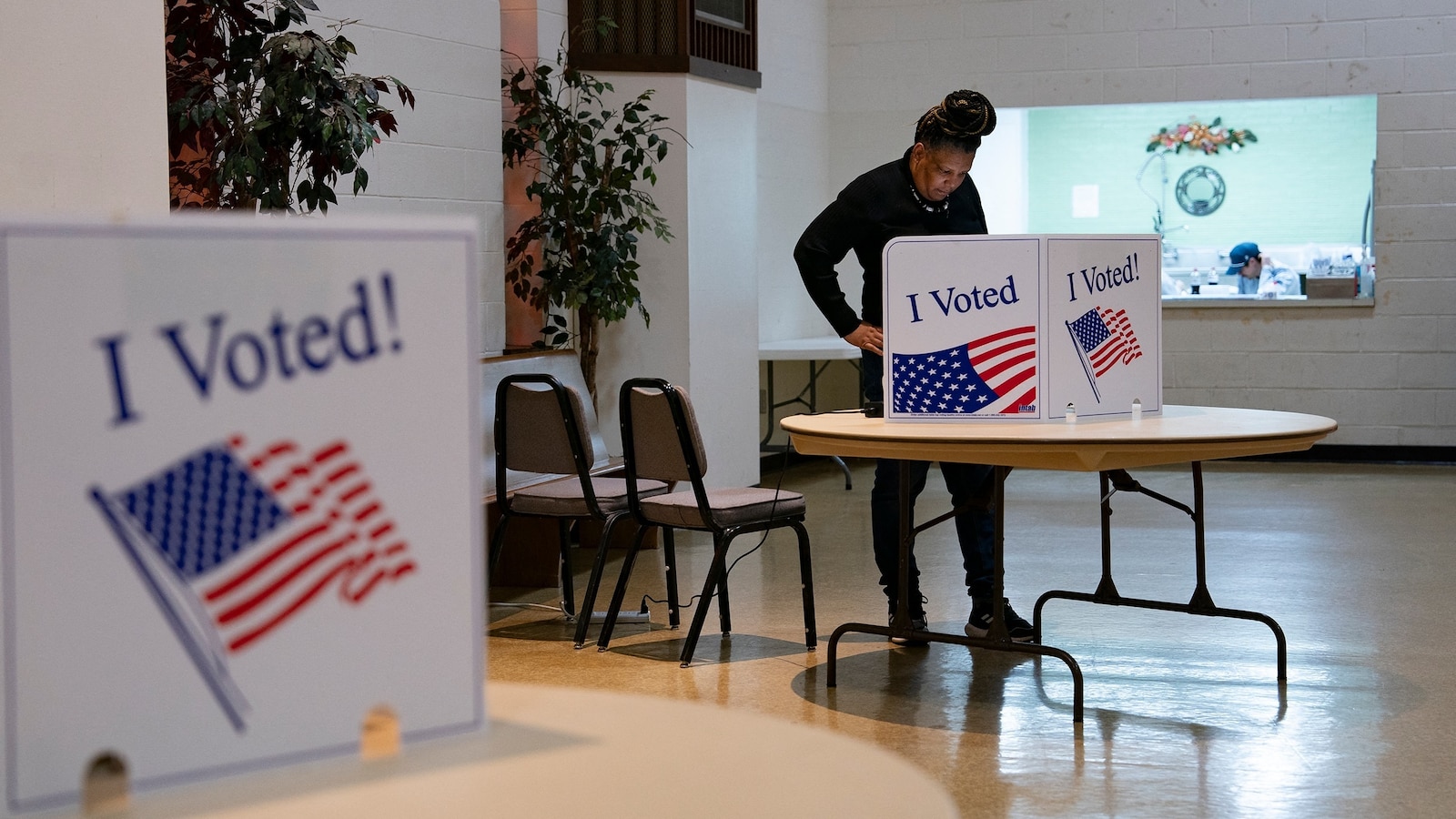
For decades the Civil Rights Division sent lawyers to polling places to protect voters from discrimination. Harmeet Dhillon is emailing staff to sign up for something broader.

Judge Indira Talwani said compliance was practically impossible in two months and that disenfranchisement would be practically inevitable. The Justice Department went to the Supreme Court.

The emergency application landed Thursday afternoon, one day before midterm ballots begin going out. The challengers have until 10 a.m. Tuesday to respond.

An Arizona case headed to the justices in October could reshape a decades-old protection that bans systematic voter removals within 90 days of a federal election.

Democrats and voting-rights groups challenge the proposed rule as harmful federal intrusion affecting millions of mail-in voters.
In an unsigned order, the justices paused a lower court's injunction, clearing the way for Alabama to vote under a congressional map that a three-judge panel found was tainted by intentional discrimination.

The 24-vote cloture defeat — after a personal speakerphone lobbying appeal from President Trump and three weeks of rushed hearings — preserves the majority-Black 6th District the 84-year-old former House Majority Whip has held since 1993 and is the second major redistricting setback for the White House in three weeks.

President seeks state-by-state voter eligibility lists to combat virtually nonexistent noncitizen voting, even as Justice Department acknowledges they would be unreliable.

The 6-3 order vacates a lower-court ruling that had required a second majority-Black district and sends the Voting Rights Act dispute back for review under last month's Louisiana v. Callais framework.
The Department of Homeland Security has now run 67 million voter registrations through a system originally built for immigration screening, and lawsuits in five states allege the resulting cancellations are sweeping up lawful voters.

Government lawyer warns no 'responsible state' should use presidential order's voter eligibility data to update rolls.

A majority of justices sided with Alabama in a decision that could accelerate efforts to implement congressional maps reducing minority representation.
Four states are considering new electoral maps in coming weeks, with another dozen potentially joining the redistricting fray next year.

State officials hope to use districts that would boost Republican chances of flipping at least one Democratic-held seat, citing recent Supreme Court ruling.

The new congressional map splits the majority-Black city into three districts, targeting Representative Steve Cohen as redistricting wars continue nationwide after Supreme Court ruling.
The General Assembly is expected to quickly approve the redistricting plan, which divides Memphis and eliminates the state's only Democratic-leaning district.

Justices agree to quickly return redistricting case to lower courts, potentially forcing new congressional maps ahead of 2026 elections.

The Court's decision raises the bar for proving voting discrimination, with dissenting justices calling the new standard "well-nigh impossible" to meet.

Secretary of state suspends House primary following court ruling that state's congressional districts are unconstitutional, while Senate primary proceeds.
Expected flood of new congressional maps likely to produce fewer competitive districts and more polarized politics across the country.

High court rules state's redistricting constitutes unconstitutional racial gerrymandering, potentially limiting creation of majority-minority districts nationwide.
Riverside County Sheriff Chad Bianco, now running for governor, had seized ballots from a 2025 special election without credible evidence of irregularities.

The Safeguard American Voter Eligibility Act would require in-person documentary proof of citizenship to register to vote and end mail-in ballots — but faces a 60-vote Senate threshold that Republican leadership says it cannot clear.

President justifies his own mail-in ballot in Florida special election, citing presidential status as reason for exception to his criticism.

In oral arguments in Watson v. RNC, conservative justices strongly suggested that 14 states' post-Election Day mail ballot deadlines violate federal law — a ruling that could affect hundreds of thousands of voters.
WatchThe justices heard more than two hours of oral arguments in Watson v. RNC, with Justices Alito, Kavanaugh, and Roberts all casting doubt on state laws that allow ballots postmarked by Election Day but received afterward to be counted.

Oral arguments in Watson v. Republican National Committee on March 23 could eliminate mail-in ballot grace periods in at least 15 states before the November 2026 midterms, affecting millions of voters including military personnel serving overseas.
Oral arguments in Watson v. RNC are scheduled for March 23 — a case asking whether federal law requires ballots to be received, not just postmarked, by Election Day, with a ruling expected in June just months before the 2026 midterms.
Watson v. Republican National Committee asks whether federal law requires mail-in ballots to be received — not just postmarked — by Election Day, a ruling that could invalidate voting laws in more than a dozen states months before November.