Supreme Court to Hear Mail-In Ballot Case That Could Invalidate Voting Laws in 13 States Before Midterms
Oral arguments in Watson v. RNC are scheduled for March 23 — a case asking whether federal law requires ballots to be received, not just postmarked, by Election Day, with a ruling expected in June just months before the 2026 midterms.

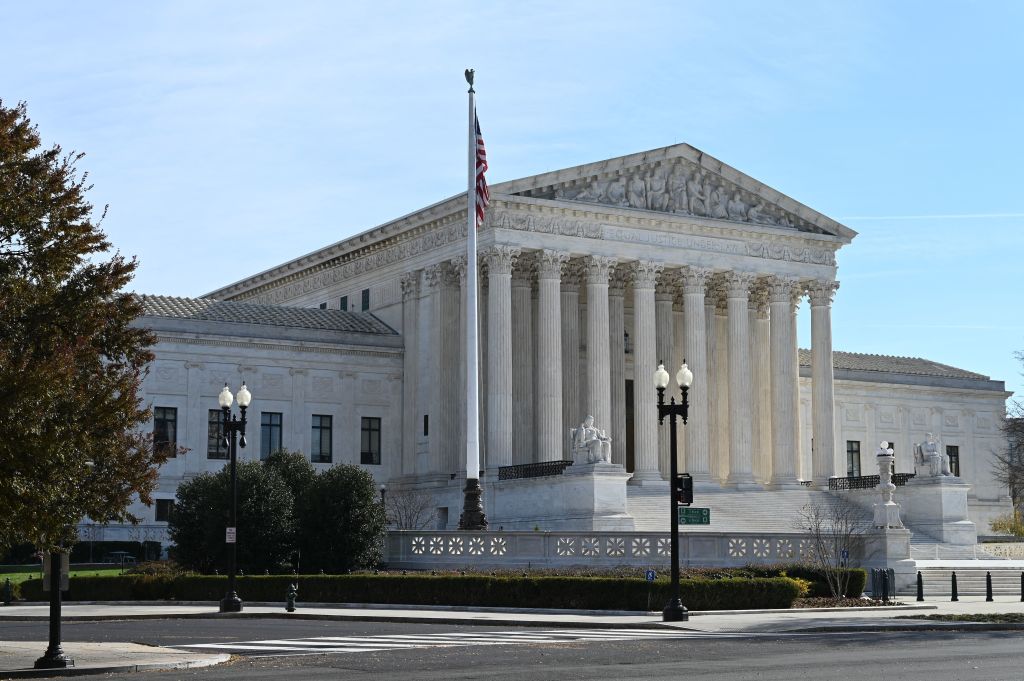
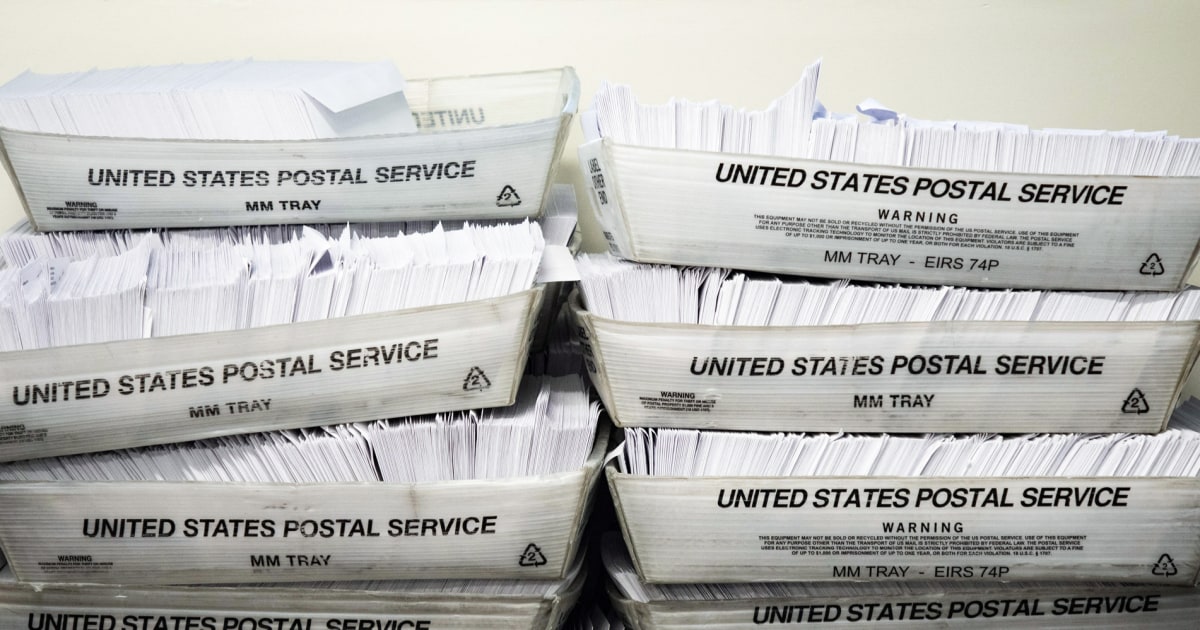
The Supreme Court is set to hear oral arguments on Monday, March 23, in Watson v. Republican National Committee, a case that could invalidate voting laws in 13 states and fundamentally reshape how Americans cast mail-in ballots in the 2026 midterm elections and beyond. The case asks a question that sounds almost procedural but carries enormous democratic stakes: does federal law require mail-in ballots to be received by Election Day, or only postmarked by that date? The answer could determine whether millions of votes are counted in November — and whether the United States effectively makes mail voting impossible for many rural residents and overseas military personnel.
The dispute traces its origins to Mississippi, which modified its election rules during the 2020 pandemic to allow absentee ballots postmarked by Election Day to be counted if received within five business days. The Republican National Committee and the Mississippi Republican Party challenged the law in January 2024, arguing it violated federal statutes that designate "the first Tuesday after the first Monday in November" as Election Day. A federal district court upheld the law, but a three-judge panel of the Fifth Circuit Court of Appeals — made up of Judges James Ho, Kyle Duncan, and Andrew Oldham, all conservative Trump appointees — reversed it, ruling that federal law requires all ballots to be received by Election Day, not just postmarked.
The Trump administration filed a brief supporting the RNC's position, arguing that an "election" under federal law concludes when polls close on Election Day, meaning any ballot received after that point cannot be lawfully counted. Mississippi, backed by Democratic-leaning voting rights groups including the Elias Law Group and the American Civil Liberties Union, counters that Congress has long allowed states flexibility in accommodating voters who cast their ballots before Election Day but whose mail takes longer to arrive. Mississippi notes that the United States has had grace periods for mail ballot receipt for more than a century, and that abolishing them now would disproportionately disenfranchise voters in remote rural communities, elderly residents who rely on postal service, and active-duty military personnel stationed overseas who depend on slow international mail systems.
The legal and practical implications are sweeping. In addition to Mississippi, at least 13 other states including California, Nevada, and Illinois maintain similar laws permitting late-arriving mail ballots to be counted if postmarked by Election Day. If the Court rules for the RNC, those states would face immediate pressure to change their procedures — potentially mid-election-cycle, with primaries already underway and general election preparations in progress. Election law expert Adav Noti warned the ruling could create "mass confusion in those states about voting by mail" and potentially call into question the legality of early voting more broadly. A decision is expected by the end of the Court's term in June 2026.
The case arrives as Election Day approaches rapidly: the 2026 midterms are scheduled for November 3, meaning state election officials will have only weeks after a late-June ruling to reprogram systems, reprint voter materials, and retrain poll workers. An 83 percent polling majority — including majorities of Republicans and Democrats — told one recent survey that mail ballots should be received no later than Election Day, suggesting some public appetite for the RNC's position. But election administrators from both parties have warned that the postal system cannot reliably guarantee delivery within that window, particularly in rural areas served by delivery routes that run only twice a week. The case is being watched as closely as any voting rights decision since Shelby County v. Holder in 2013, when the Court struck down a key provision of the Voting Rights Act. Unlike that ruling, however, this one could arrive just months before a pivotal election.