Supreme Court Fast-Tracks Louisiana Voting Rights Case Before Midterms
Justices agree to quickly return redistricting case to lower courts, potentially forcing new congressional maps ahead of 2026 elections.

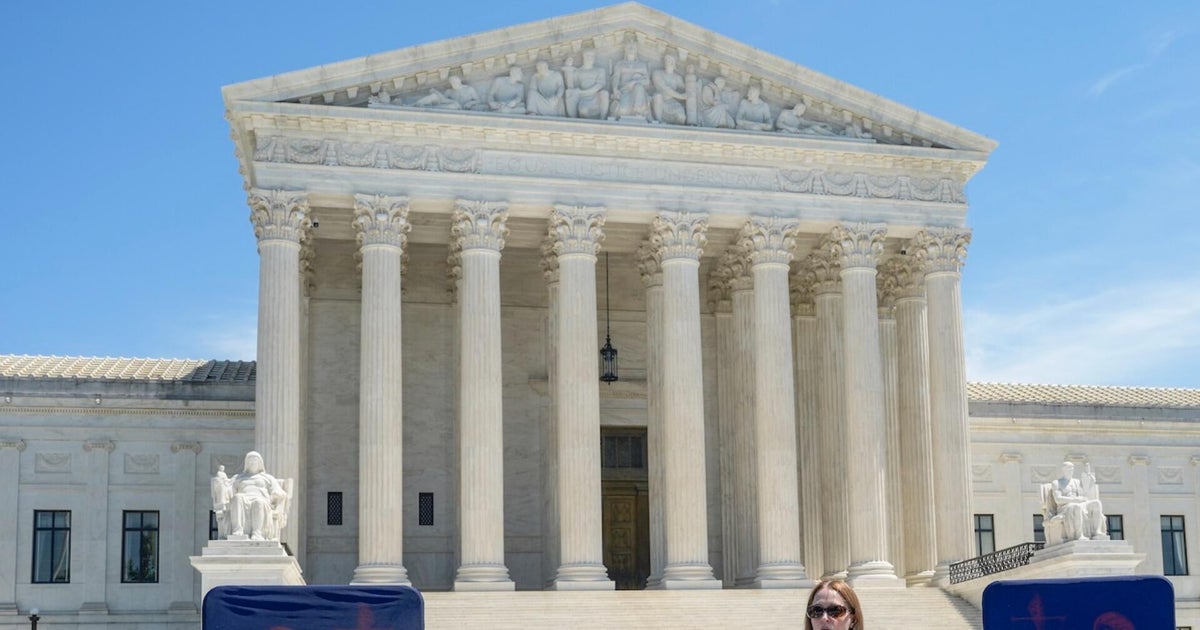
The Supreme Court agreed Monday to expedite a crucial Louisiana voting rights case, potentially clearing the way for new congressional maps to be drawn before the 2026 midterm elections. The decision comes after Louisiana voters successfully challenged the state's current voting map as an illegal racial gerrymander under the Voting Rights Act. The plaintiffs had specifically requested that the justices quickly return the case to lower courts rather than hearing it themselves, seeking to avoid delays that could prevent implementation of new districts for the upcoming electoral cycle.
The Louisiana case represents one of the most significant voting rights challenges currently working through federal courts, with implications that could extend far beyond the state's borders. Lower courts had previously ruled that the current congressional map dilutes the voting power of Black residents by packing them into a single district despite constituting approximately one-third of the state's population. The legal victory for voting rights advocates came amid a broader national debate over redistricting practices and their impact on electoral representation.
By agreeing to fast-track the case rather than taking it up for full review, the Supreme Court has signaled its willingness to allow the redistricting process to move forward quickly. This procedural decision effectively endorses the lower court findings and creates pressure on Louisiana state officials to draw new maps that better reflect the state's demographic composition. The timing is particularly crucial given the compressed schedule for finalizing electoral maps ahead of candidate filing deadlines for the 2026 midterm elections.
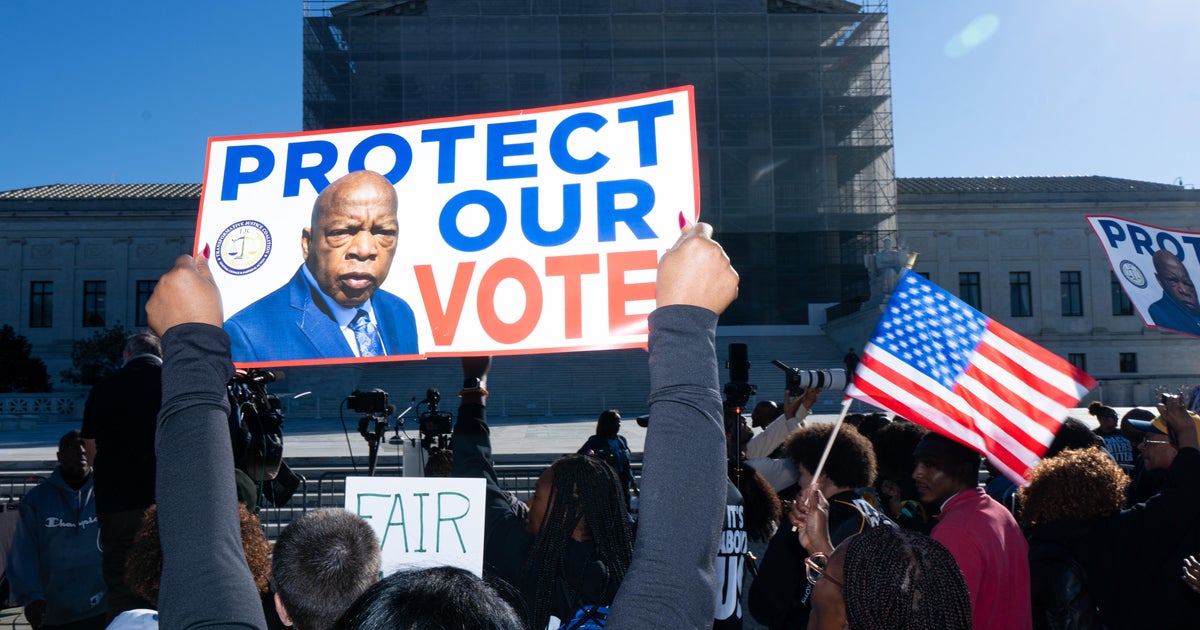
Voting rights organizations have hailed the Supreme Court's decision as a critical victory for fair representation. The expedited timeline means that Louisiana will likely need to create an additional majority-minority congressional district, potentially shifting the state's congressional delegation and affecting the overall balance of power in the House of Representatives. Legal experts note that the case could also influence ongoing redistricting battles in other states with similar demographic patterns and legal challenges.
The broader implications of the Louisiana decision extend to the ongoing national conversation about voting rights enforcement and redistricting reform. With multiple states facing similar challenges to their congressional maps, the Supreme Court's willingness to allow expedited remedies could encourage more aggressive litigation by voting rights advocates. The decision also comes as Congress continues to debate comprehensive voting rights legislation, though the Louisiana case demonstrates that federal courts remain willing to enforce existing protections under current law when presented with clear evidence of discriminatory redistricting practices.