Supreme Court Strikes Down Louisiana Voting Map in Major Blow to Voting Rights Act
High court rules state's redistricting constitutes unconstitutional racial gerrymandering, potentially limiting creation of majority-minority districts nationwide.

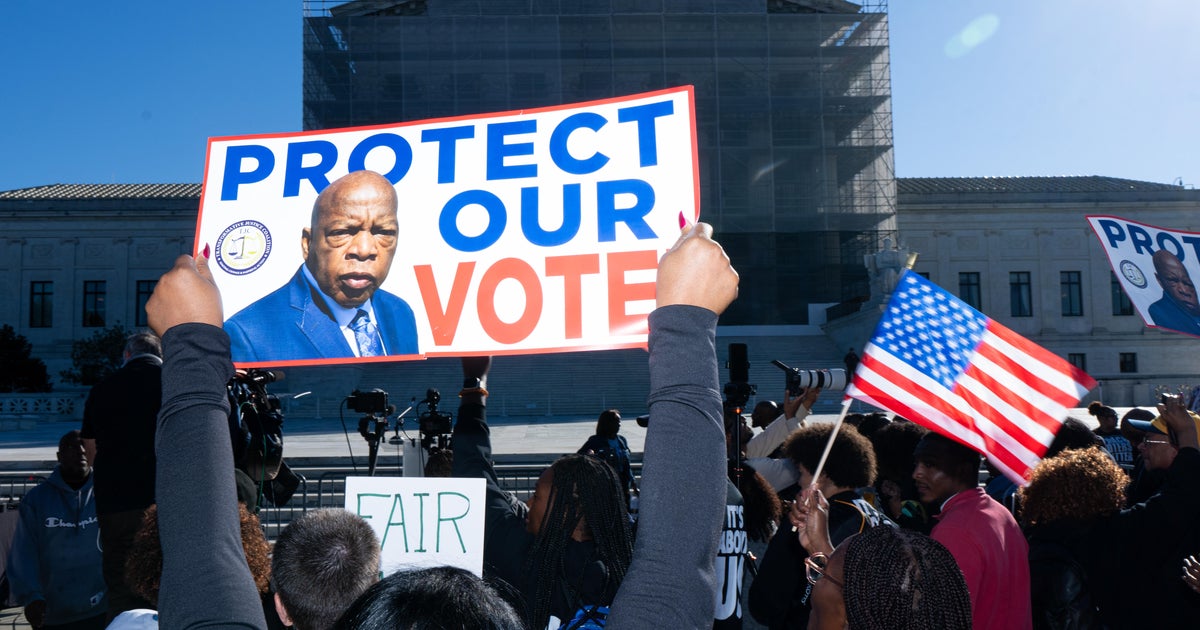
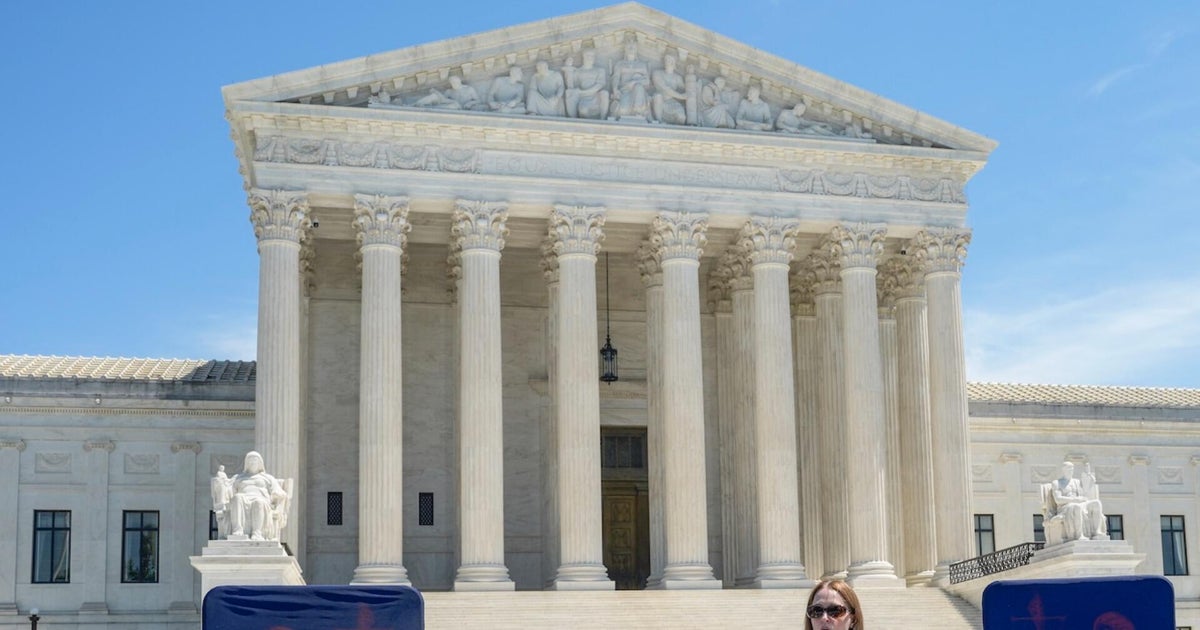
The Supreme Court delivered another significant blow to voting rights protections Wednesday, striking down Louisiana's congressional map as an unconstitutional racial gerrymander in a decision that could fundamentally reshape how lawmakers create majority-minority voting districts across the country. The ruling marks the latest in a series of decisions that have systematically weakened the Voting Rights Act, one of the most important civil rights laws in American history. Legal experts warned the decision could make it substantially harder for states to draw districts that ensure minority representation in Congress.
The court's decision specifically targeted Louisiana's redistricting efforts, finding that the state's voting map violated constitutional principles by relying too heavily on racial considerations when drawing congressional boundaries. This ruling creates a legal contradiction for states attempting to comply with federal voting rights requirements, as they must now balance competing demands to both protect minority voting rights while avoiding what the court considers impermissible racial gerrymandering. The decision leaves lawmakers in Louisiana and other states with majority-minority districts in legal limbo about how to proceed with future redistricting efforts.
The timing of the Supreme Court's ruling could have immediate implications for the upcoming midterm elections, though the exact timeline for implementation remains unclear. Democrats stand to lose at least one blue-leaning district in Louisiana as a result of the decision, while Republicans in several other states are already weighing new district maps that could benefit from the court's more restrictive interpretation of voting rights law. Florida has already approved a redistricting plan that favors Republican candidates, and other GOP-controlled states are expected to follow suit.
The decision represents a continuation of the conservative majority's systematic dismantling of voting rights protections that began with the 2013 Shelby County v. Holder decision, which gutted key provisions of the Voting Rights Act. Civil rights organizations have consistently argued that these rulings disproportionately harm minority communities' political representation and could lead to the elimination of districts where Black and Hispanic voters have historically been able to elect candidates of their choice. The Louisiana ruling extends this trend by making it more difficult to create new majority-minority districts even in areas with significant minority populations.
Legal scholars expect the decision will trigger immediate challenges to existing majority-minority districts in other states, potentially reshaping the political landscape ahead of the 2026 midterm elections. The ruling could force states to redraw congressional maps that have protected minority representation for decades, fundamentally altering the balance of power in the House of Representatives. Democrats and voting rights advocates are already preparing legal challenges and legislative responses, but the conservative Supreme Court majority appears committed to a narrower interpretation of voting rights protections that prioritizes colorblind redistricting over ensuring minority political representation.