Arizona Faces a 47% Cut to Its Colorado River Canal as Nevada and Arizona Sue Over Federal Plan
The Central Arizona Project's designers warned in the 1960s that its place at the back of the line would mean lower flows. Now the river's two biggest reservoirs sit at record lows.
The Colorado River is at a crossroads. People are taking more water out of it than it can provide, and the policymakers who manage its use cannot agree on how to cut demand. That leaves the river, and the nearly 40 million people who depend on it, hanging in the balance across seven Western states.
This fall, a new federal plan for cutting water use has triggered legal action from Nevada, Arizona and the Central Arizona Project, the massive canal system that brings Colorado River water to the Phoenix area. The plans under discussion could mean a 47% cut to the amount of water allocated to the canal. The nation's two largest reservoirs have shrunk to record lows while negotiators have failed to reach a regionwide compromise.
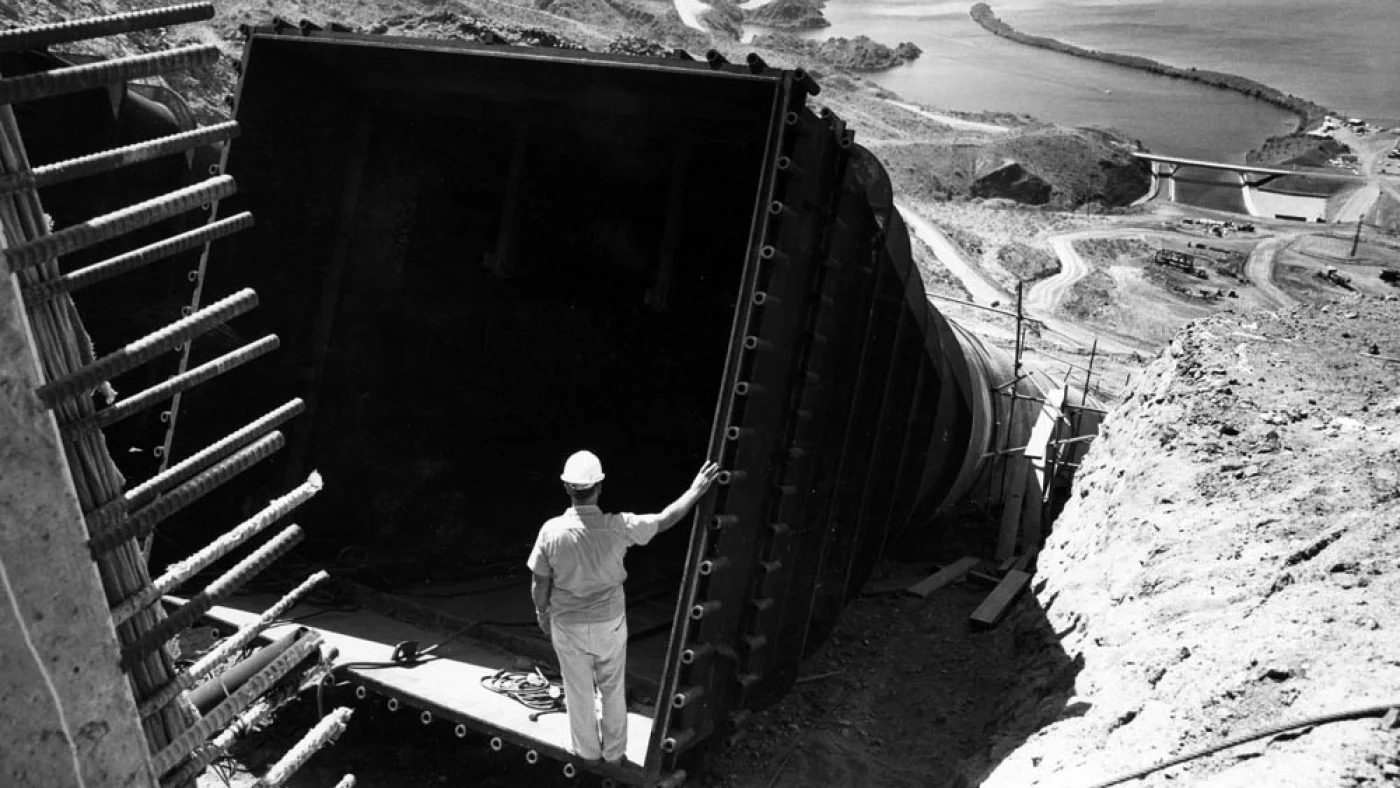
Phoenix and Tucson as they exist today would not exist without the CAP, a 336-mile system of canals, pipelines and pumping plants that carries water across the desert. "It's an engineering marvel," said Rich Weissinger, who spent nearly 30 years with the organization that operates the canal, most recently as director of field maintenance. Standing in a pumping plant, he said the system gives the region a stable, reliable water source.
That reliability is now in question, and the people who built the system saw it coming. In the 1960s, the architects of the CAP said publicly that its position near the front of the line for cutbacks would mean lower flows in the 21st century. When the project was signed into law, President Lyndon B. Johnson promised it would "provide more water for growing cities, more water for expanding industries, for the farmer's crops, and for the rancher's cattle." Floyd Dominy, then commissioner of the Bureau of Reclamation, laid out specific estimates of how much water the canal might divert in the future and forecast big drops.
The planners also proposed a fix: augmentation, or bringing outside water supplies into the Colorado River system. They suggested a connection between the Colorado and Columbia river systems in the Pacific Northwest. They also considered massive desalination plants on the Pacific Coast. None of it was built, and the warnings were largely forgotten in the decades since.
Water experts say the reality is more complicated than simple neglect, and that there were good reasons the 1960s advice went unheeded. Meanwhile, the 21st century has brought record-breaking drought supercharged by climate change, and steady withdrawals by cities and farms have squeezed supplies between supply and demand.
For Arizona, the stakes are enormous. A cut of nearly half to the CAP's allocation would reshape how the state's biggest metro areas plan for growth. The lawsuits from Nevada, Arizona and the canal's operator mark a shift from negotiation to litigation in a basin where seven states, major cities and tribes all hold claims to a shrinking river.