Once Among the Cities Most Dependent on the Colorado River, San Diego Now Has Water to Sell
A massive bet on desalination and aggressive conservation has left Southern California's second-largest city with a surplus — and thirsty agencies in Nevada and Arizona are lining up to buy it.

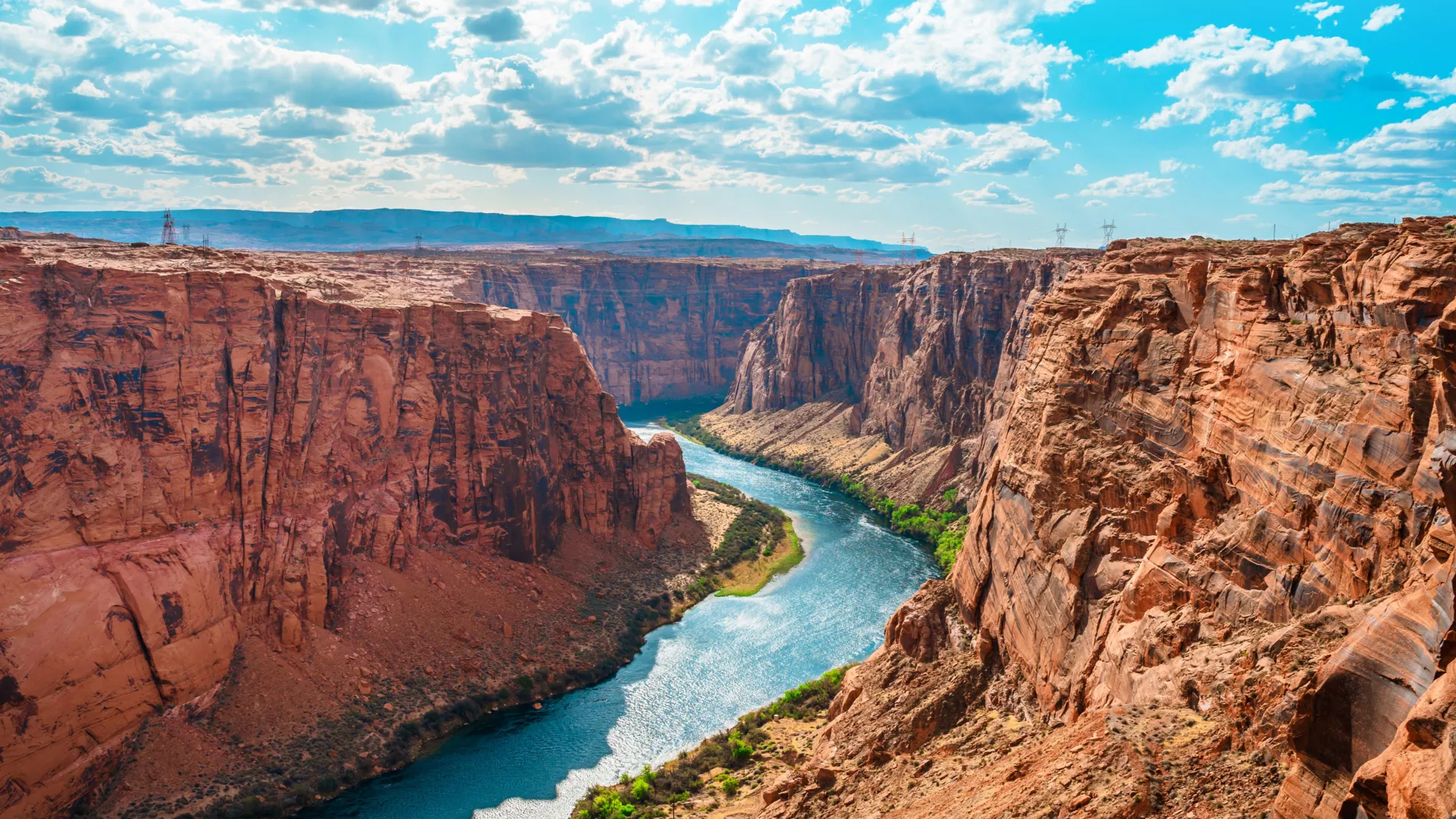
For decades, San Diego was a cautionary tale of dependence — a coastal metropolis that drew the bulk of its drinking water from the overtaxed Colorado River, hundreds of miles away, and lived in fear of the next cut. Now, in a striking reversal, the city finds itself with a surplus, and other parched corners of the West are eager to tap it.
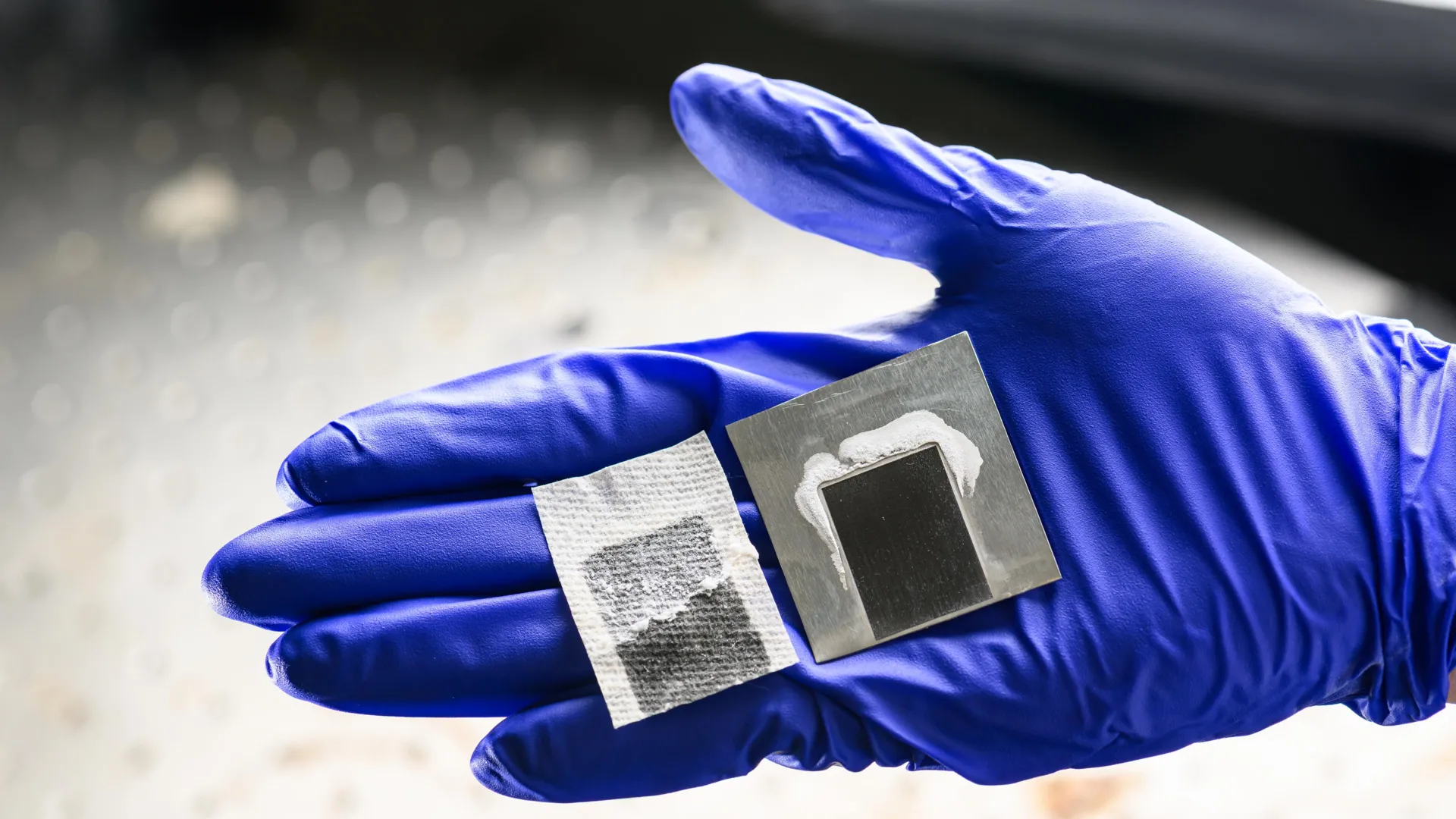
The transformation is the product of two decades of aggressive water recycling, urban and agricultural conservation, and an enormous gamble on the ocean. At the Claude "Bud" Lewis Carlsbad Desalination Plant, built on the site of a former coal-fired power station north of the city, roughly 100 million gallons of seawater a day are pumped through gravel and sand and forced through reverse-osmosis membranes. About 50 million gallons emerge as potable water. Since the plant came online in late 2015, it has supplied between 7% and 10% of the region's water, insulating San Diego from the river's wild swings.
That cushion has now turned into a commodity. Southern Nevada, the Central Arizona Project and other agencies have signed a memorandum of understanding to explore buying San Diego's water, a deal that could become the first interstate transfer of its kind on the river. The arrangement they envision is elegant in its accounting: rather than physically shipping water across state lines, San Diego would drink more of its own desalinated supply and, in exchange, hand over its existing Colorado River allocations stored in Lake Mead for other states to use.
If approved by the U.S. Department of the Interior, the swap could be written into the new operating rules now being negotiated for the Colorado River, whose current guidelines expire in 2026. Those talks have been fraught, pitting the river's upper-basin states against the lower basin as a 25-year drought and climate change shrink the flows that 40 million people depend on.
Supporters say the San Diego model points toward a future in which coastal cities lean on the ocean and free up scarce river water for inland communities with no such option. Critics note that desalination remains energy-intensive and expensive, and that no single plant can solve the structural imbalance between what the Colorado provides and what the West has promised to deliver.
For San Diego, though, the calculus has fundamentally changed. A city that once begged for every acre-foot now negotiates from a position of strength — a rare bright spot in a region where the dominant water story, year after year, has been one of scarcity, conflict and decline.