Supreme Court Lets Alabama Use Map Ruled Racially Discriminatory in 2026 Midterms
In an unsigned order, the justices paused a lower court's injunction, clearing the way for Alabama to vote under a congressional map that a three-judge panel found was tainted by intentional discrimination.

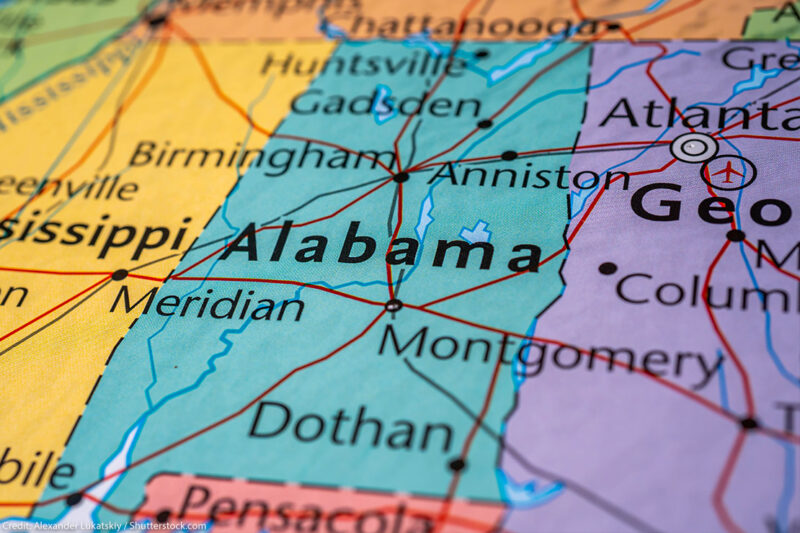
The Supreme Court on June 2 cleared the way for Alabama to use a congressional map in this year's elections that a lower court had found to be racially discriminatory, handing Republicans a significant advantage heading into the 2026 midterms.
In an unsigned four-page order issued shortly after 9 p.m. EDT, the justices stayed an injunction that a three-judge district court panel had imposed on May 26. That panel concluded the state's map was "tainted by intentional race-based discrimination" and ordered Alabama not to use it. The Supreme Court's order put that ruling on hold, finding the state was "likely to succeed on the merits" of its appeal.
The majority leaned heavily on its recent decision in Louisiana v. Callais, which made it harder for plaintiffs to prevail on voting-discrimination claims. The lower court, the majority wrote, should have "presumed" legislative good faith rather than treating Alabama's legal disagreement with an earlier remedial order as proof of discriminatory intent. The practical effect is that Alabama will once again elect six Republican-leaning representatives and one Democratic-leaning representative, rather than the two majority-Black or near-majority-Black districts that civil rights groups had sought.
Justice Sonia Sotomayor, joined by Justices Elena Kagan and Ketanji Brown Jackson, dissented sharply. She accused the majority of paving the way toward "a chaotic election" and wrote that "Alabama has no legitimate interest in enforcing an unconstitutional map, while vast harms will likely arise from upending the status quo." In a separate passage, she said the court "debases the democratic process" and "corrodes the rule of law by rewarding Alabama's gamesmanship and outright defiance of court orders."
The dispute traces back to 2021, when Black voters challenged the map, arguing it diluted their political power by dividing them among three districts. The case has bounced between the lower courts and the Supreme Court ever since. Tuesday's order is the latest in a string of recent rulings from the justices that analysts say could reshape the battle for control of the House, making it markedly harder for Democrats to net the seats they need. With primary season already underway, the decision locks in Alabama's contested boundaries for at least one more election cycle.
The ruling also illustrates how much the legal terrain has shifted. Just three years ago, the same court surprised observers by upholding a Voting Rights Act challenge to an earlier version of Alabama's map. The Callais decision, handed down more recently, narrowed the path for such claims, and Tuesday's order suggests the justices are prepared to apply that tighter standard aggressively. Voting rights advocates warned the move could embolden other Republican-controlled states to defend maps that lower courts have questioned, accelerating a wave of redistricting fights as the country heads toward what is expected to be a fiercely contested battle for the House.