Supreme Court Ruling Demands Proof of 'Intentional' Racial Disadvantage in Voting Rights Cases
The Court's decision raises the bar for proving voting discrimination, with dissenting justices calling the new standard "well-nigh impossible" to meet.
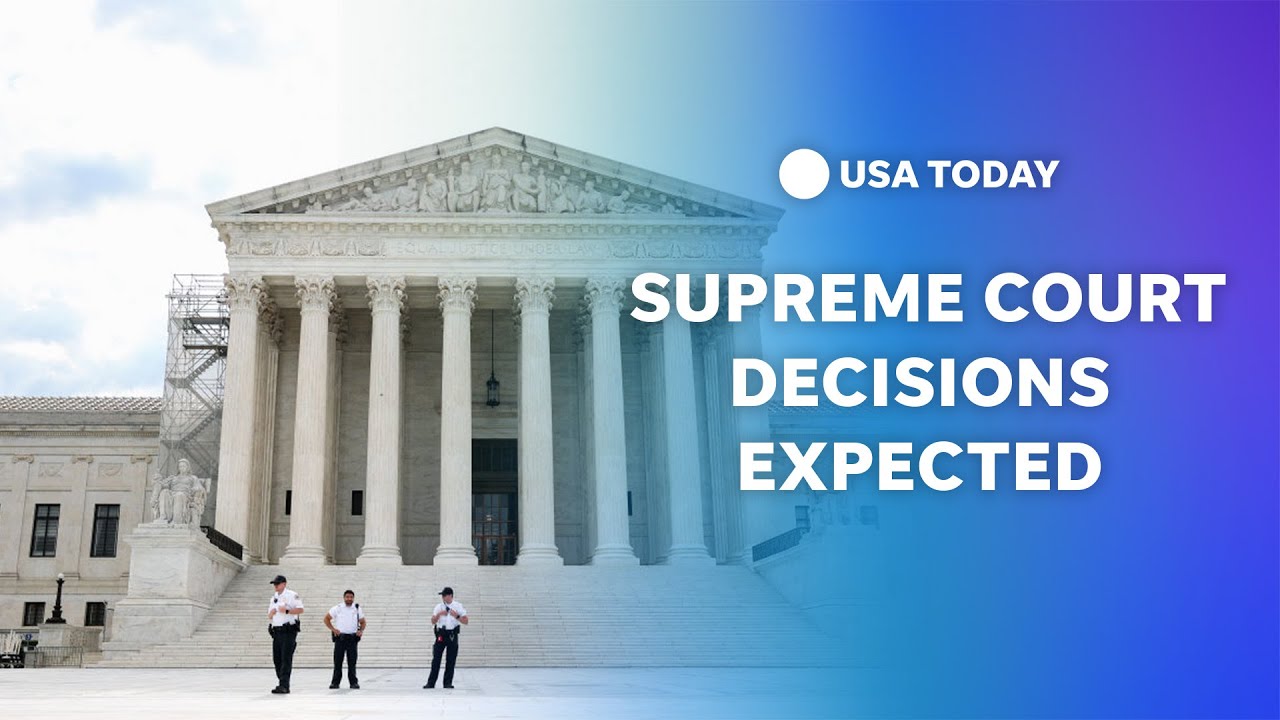
The Supreme Court issued a landmark ruling on voting rights that significantly raises the evidentiary standard for proving racial discrimination in election cases. The Court's majority opinion establishes that plaintiffs must now demonstrate that a racial group was "intentionally" disadvantaged by voting policies or procedures, moving away from previous standards that allowed for discrimination claims based on disparate impact alone.
The decision represents a dramatic shift in how voting rights cases will be litigated across the country. Under the new standard, civil rights advocates will need to present clear evidence of deliberate intent to discriminate, rather than simply showing that certain voting policies disproportionately affect minority communities. Legal experts predict this change will make it substantially more difficult to challenge voting restrictions in federal court.
In a sharply worded dissent, the minority justices argued that the majority's new standard creates an nearly insurmountable barrier for voting rights enforcement. The dissenting opinion characterized the intentional discrimination requirement as "well-nigh impossible" to prove in practice, noting that modern discrimination often operates through seemingly neutral policies with discriminatory effects rather than explicit racial animus.
Civil rights organizations immediately condemned the ruling, with several groups announcing plans to explore alternative legal strategies and push for federal legislation to restore stronger voting protections. The NAACP Legal Defense Fund called the decision a "devastating blow" to voting rights enforcement, while the ACLU warned that the ruling could effectively nullify key provisions of the Voting Rights Act.
The timing of the decision has drawn particular scrutiny, coming amid ongoing debates about voting access and election security across multiple states. Republican officials in several states have already indicated they view the ruling as validation of their efforts to implement stricter voting requirements, while Democratic lawmakers are calling for immediate congressional action to override the Court's interpretation through new federal legislation.


