Iran Blockade Sets Up Test of Economic Endurance as Trump Chokes Off Oil Lifeline
President Trump implements Strait of Hormuz blockade to pressure Iran into negotiations, but Iranians bet on his limited tolerance for political pain from rising energy costs.

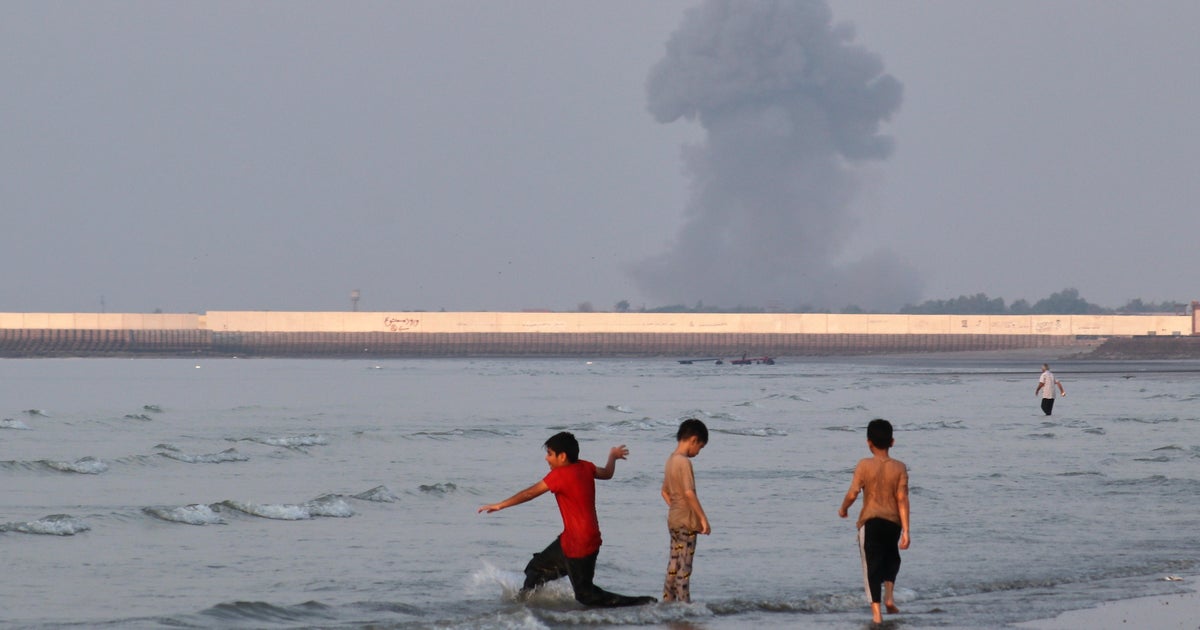
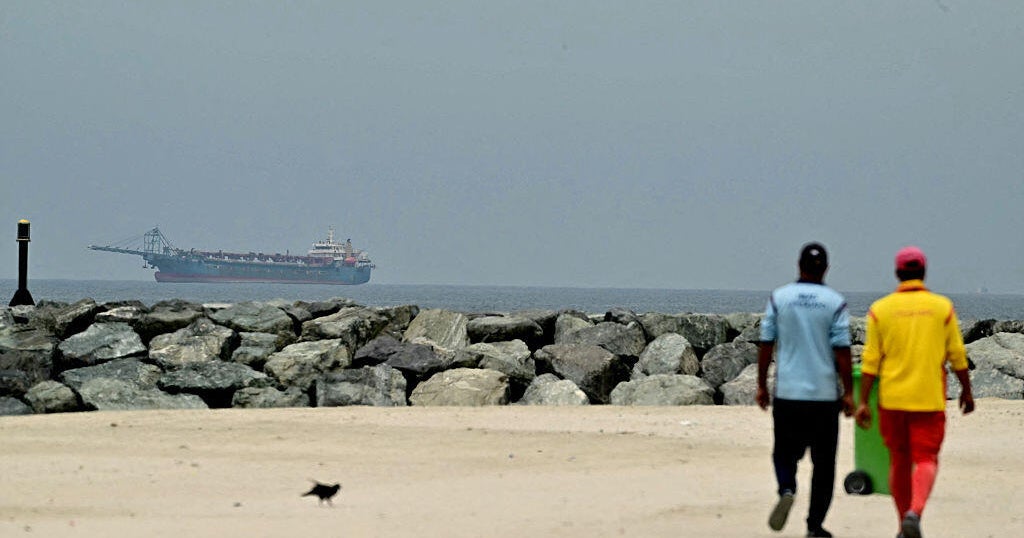
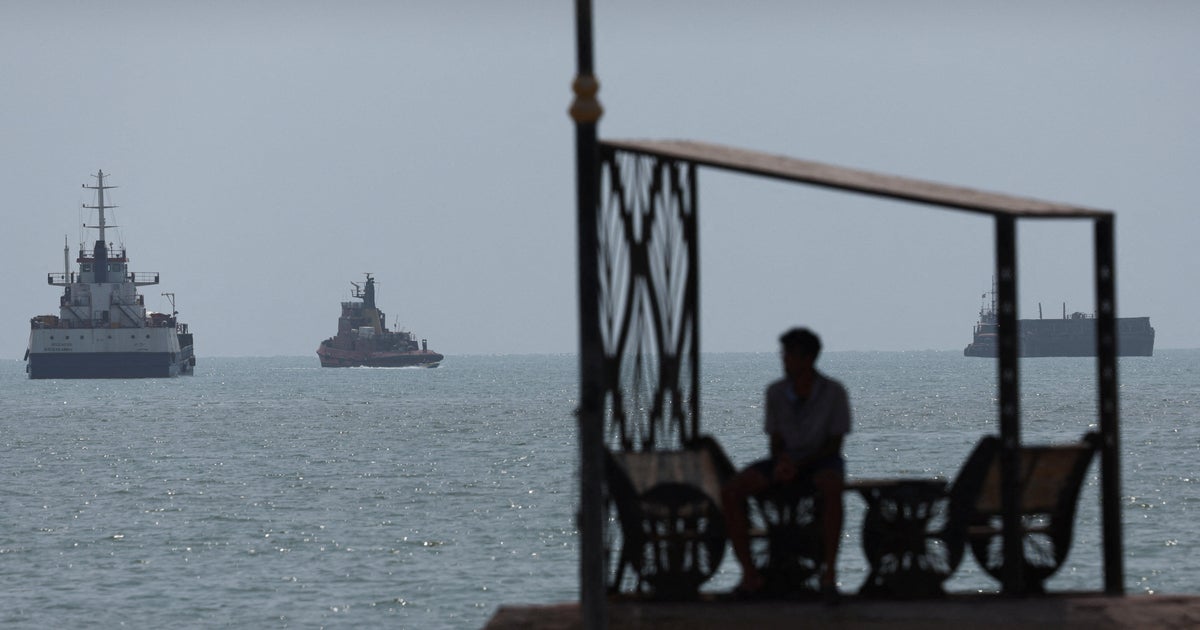
President Trump has initiated a comprehensive blockade of Iran's maritime lifelines through the strategic Strait of Hormuz, marking his most aggressive economic warfare tactic yet to force the Islamic Republic into negotiations. The blockade, which began Monday morning, represents Trump's latest effort to pressure Iran after direct talks over the weekend failed to yield any agreement on the nuclear program or regional conflicts. The move effectively cuts off Iran's primary oil export route, which handles roughly 20% of global petroleum traffic.
The economic gambit sets up what analysts describe as a test of wills between two nations, each betting the other will blink first under mounting pressure. Trump is attempting to choke off Iran's economic lifeline by preventing oil tankers from entering or leaving Iranian ports, a strategy designed to cripple the regime's primary source of revenue. However, Iranian officials appear confident that Trump's tolerance for the political pain of skyrocketing energy prices will prove limited, particularly with midterm elections approaching.
The blockade has already sent shockwaves through global energy markets, with oil prices surging past key psychological barriers as traders price in potential supply disruptions. The Strait of Hormuz serves as a critical chokepoint for international shipping, and any extended disruption threatens to create significant economic ripple effects beyond Iran's borders. Energy analysts warn that sustained blockade operations could push fuel costs to levels not seen since the height of previous Middle East conflicts.
Trump's announcement of the blockade came after what administration sources described as 21 hours of intensive but ultimately fruitless negotiations. The talks, which included direct communication channels between Washington and Tehran, broke down over fundamental disagreements about Iran's nuclear program and its support for regional proxy forces. Iranian officials reportedly rejected key American demands while refusing to offer substantive concessions on uranium enrichment activities.
The success of Trump's strategy now depends largely on whether Iran's economy will collapse before American voters grow tired of higher gas prices and economic uncertainty. Historical precedents suggest that sustained economic pressure can force regime behavior changes, but Iran has demonstrated remarkable resilience during previous sanctions regimes. The coming weeks will likely determine whether this latest escalation produces the diplomatic breakthrough Trump seeks or further entrenches both sides in an economically destructive standoff.