Morocco's King Names Fatima Zahra Mansouri as the Country's First Woman Prime Minister
The 50-year-old former Marrakech mayor now has to build a coalition government while inflation, wages and jobs top the agenda and the 2030 World Cup approaches.
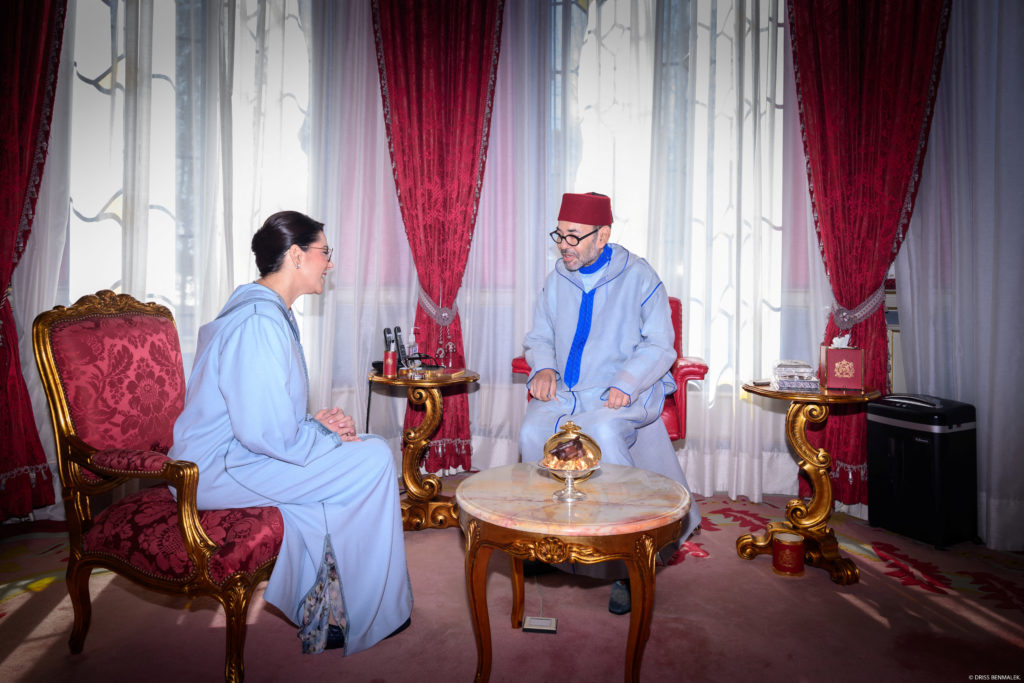
King Mohammed VI appointed Fatima Zahra Mansouri on Tuesday as Morocco's first woman prime minister, the palace announced, following the country's recent parliamentary elections.
Mansouri, 50, is a lawyer who has served as Morocco's urban planning minister. She previously served as mayor of Marrakech and holds a law degree from the University of Montpellier in France. She becomes the second woman to lead a government in the Arab world, after Tunisia's Najla Bouden.
She joined the Authenticity and Modernity Party, known as PAM, when it was founded in 2008. PAM received the most votes in the recent parliamentary elections. Under Morocco's constitution the king names the prime minister from the party that comes first in the vote.
Her first task is arithmetic. Morocco's electoral system is built so that no single party typically wins an absolute majority, so any prime minister has to assemble a coalition. Mansouri now has to negotiate with other parties to secure a governing majority in parliament before she can put a cabinet in place.
Once she has a government, the agenda is crowded. Priorities include inflation, wages and job creation, which are the issues that dominate everyday politics for Moroccans. She will also oversee investments tied to Morocco's role as a co-host of the 2030 FIFA World Cup, a project that has driven spending on stadiums, transport and infrastructure.
Mansouri's record is not free of controversy. She has faced accusations of conflicts of interest over land transactions, which she has denied and pursued legal action over.
She is also the daughter of Abderrahmane El Mansouri, a former Moroccan ambassador to the United Arab Emirates. Her rise marks a milestone in a country where women have gained ground in public life over the past two decades but have rarely held the top executive post.
Whether the appointment changes how Morocco is governed will depend on the coalition she builds and on how much room the monarchy leaves an elected prime minister. For now, the symbolic change is clear: the person who will run the day-to-day work of the government is, for the first time, a woman.
Coalition talks in Morocco can take weeks, and the parties she approaches will each want cabinet posts and policy concessions. The size of the majority she assembles will shape how much of her agenda she can pass, and how long the government lasts.
Moroccan voters will judge her early on prices and jobs. The government she forms will also be expected to keep World Cup preparations on schedule, which puts the new prime minister under pressure from the first week.