Andy Burnham Takes Power as Britain's 7th Prime Minister in a Decade, Vowing to End the Chaos
The former Greater Manchester mayor known as the 'King of the North' was appointed by King Charles III after Keir Starmer's resignation, pledging to be a 'circuit-breaker' for a nation exhausted by political turmoil.
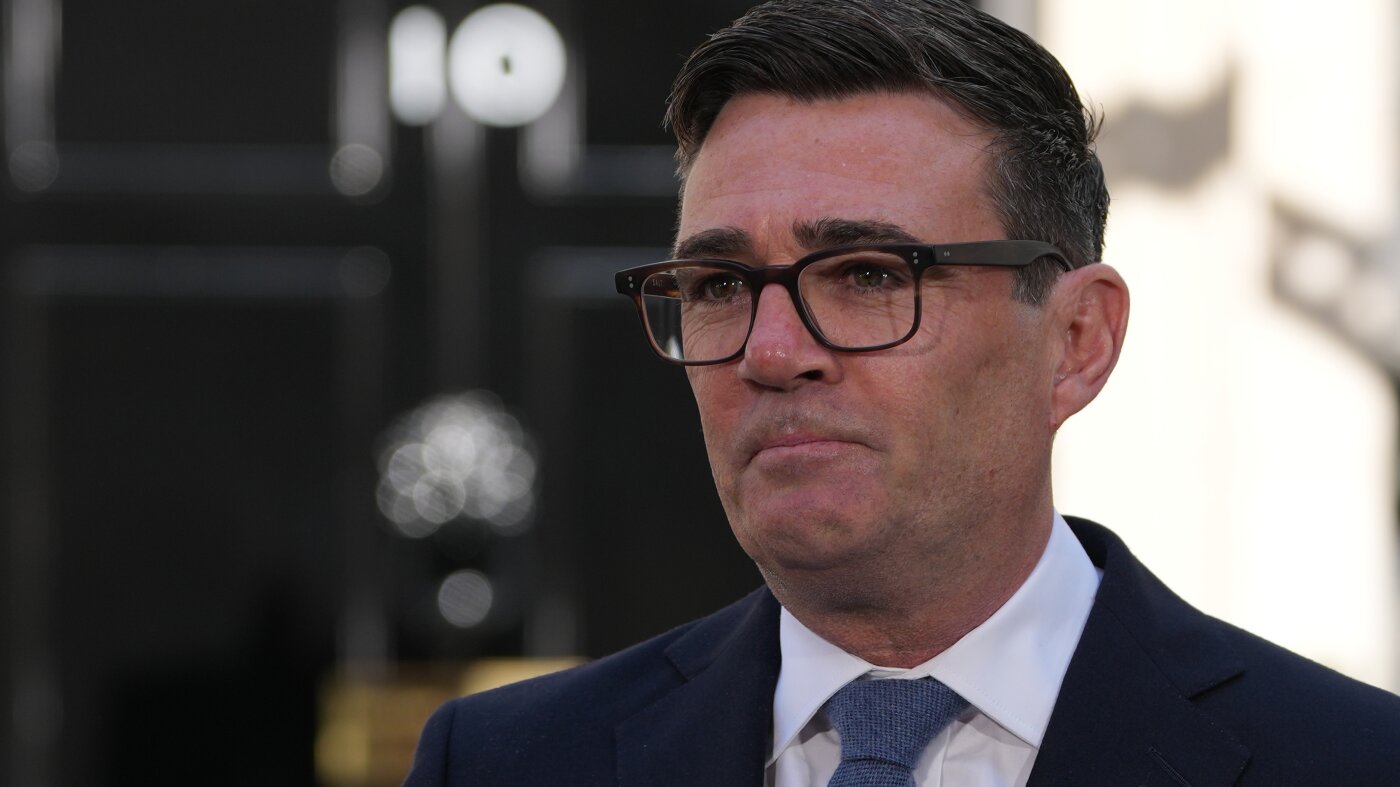
LONDON — Andy Burnham became Britain's prime minister on Monday, walking through the black door of 10 Downing Street as the country's seventh leader in barely a decade and immediately promising to steady a nation that has cycled through governments at a dizzying pace since the 2016 Brexit vote.
Burnham, 56, was formally appointed after an audience with King Charles III, who asked him to form a government following the resignation of Keir Starmer. A center-left Labour figure who describes himself as a socialist, Burnham had until recently served as mayor of Greater Manchester, a post that earned him the nickname the "King of the North" for his relentless advocacy of shifting power and money away from London.
"We can regain our stability," Burnham said in his first speech outside No. 10, framing his arrival as "a circuit-breaker" and pledging a new political and economic model built around a 10-year plan. He promised to make the country's politics "less toxic" and vowed to end rough sleeping, a nod to the housing and cost-of-living pressures that have battered British households.
His ascent was unusually swift. After Starmer announced in June that he would step down, Burnham emerged as the sole candidate in the Labour leadership contest, winning nominations from 379 of the party's 403 members of Parliament. Starmer, who had led Labour to a landslide parliamentary majority in 2024, told colleagues "my work is done" and pledged his "full support" to his successor.
Starmer's downfall was rooted in a brutal set of local elections in May, when Labour shed more than 1,000 council seats amid voter frustration that the government had failed to deliver rapid change after 14 years of Conservative rule. Party members, fearing a rout at the next general election, pressed him to make way for a figure they believed could reconnect with disillusioned working-class voters.
Burnham's political roots run deep. First elected to Parliament in 2001 as the member for Leigh, in Greater Manchester, he served for 16 years and held cabinet posts under prime ministers Tony Blair and Gordon Brown before leaving Westminster in 2017 to run his home region. That decade in local government, allies argue, taught him how to deliver tangible results on transport, housing and health — and gave him a plain-spoken style that contrasts with the technocratic image that dogged Starmer.
Burnham inherits a daunting in-tray: a sluggish economy, strained public services and a frosty relationship with Washington. President Trump, who has imposed steep new tariffs on close allies, greeted the transition by disparaging Britain as a "Poverty Stricken Disaster," a jab that underscored the diplomatic tightrope the new prime minister must walk. Whether Burnham can convert his northern brand of populism into national governing success will determine not only his own fate but whether Britain can finally break its cycle of short-lived premierships.