UN Peacekeeping Mission in Western Sahara Ends After 35 Years as U.S. and Russia Clash
Russia vetoed a U.S. resolution backing Morocco's claim, a rival Russian draft failed, and the MINURSO force ceased operations Sunday, raising fears for Africa's longest-running territorial dispute.
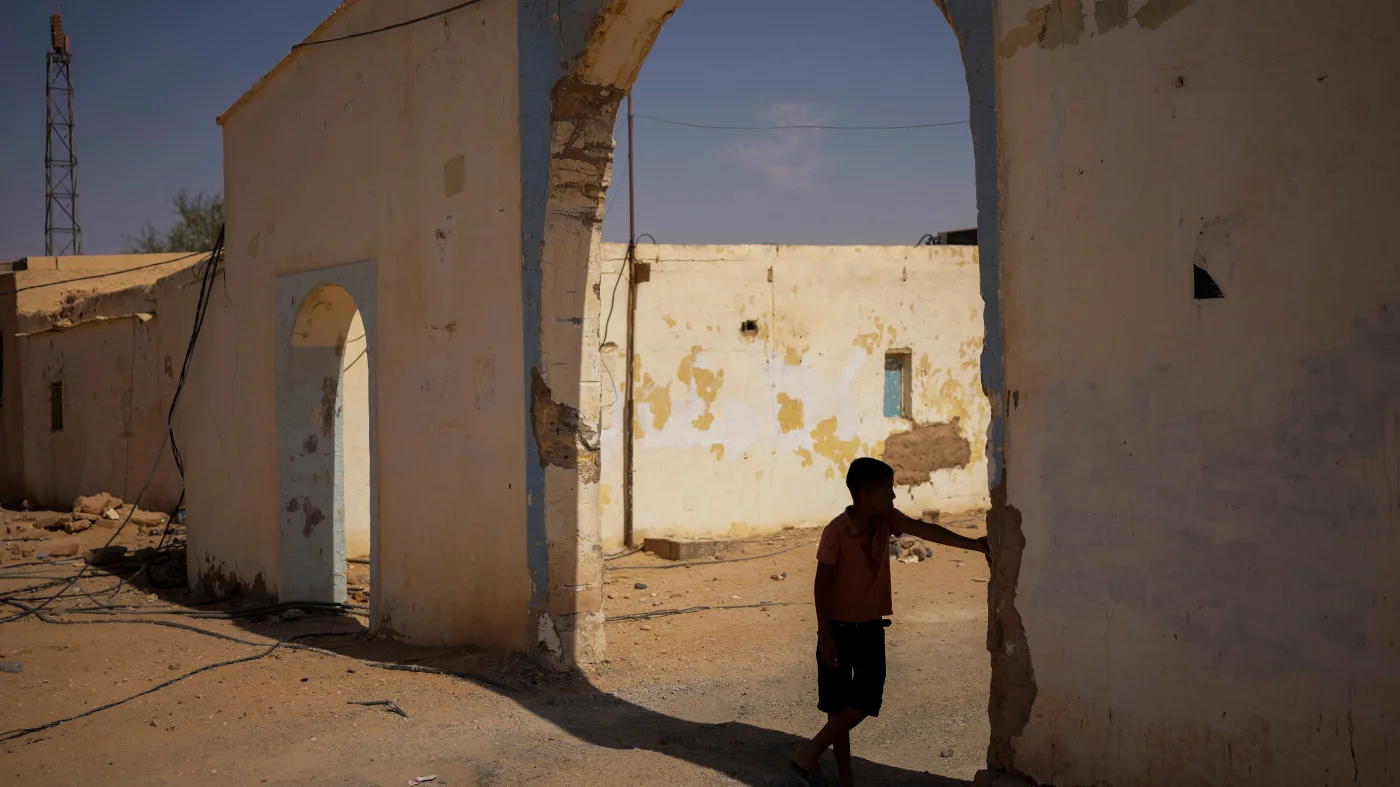
The United Nations' peacekeeping mission in disputed Western Sahara ceased operations on Sunday after 35 years, the result of a standoff between the United States and Russia at U.N. headquarters over the territory's future. The end of the mission raises concerns about stability across a region where Morocco and the pro-independence Polisario Front have never settled their claims.
"This 1 November 2026 marks the start of the liquidation period," U.N. Secretary-General spokesperson Stéphane Dujarric said in a statement. A smaller team reporting to the U.N. Department of Operational Support will oversee the orderly transport of assets belonging to troop-contributing countries back to their home nations and the disposal of U.N. equipment.
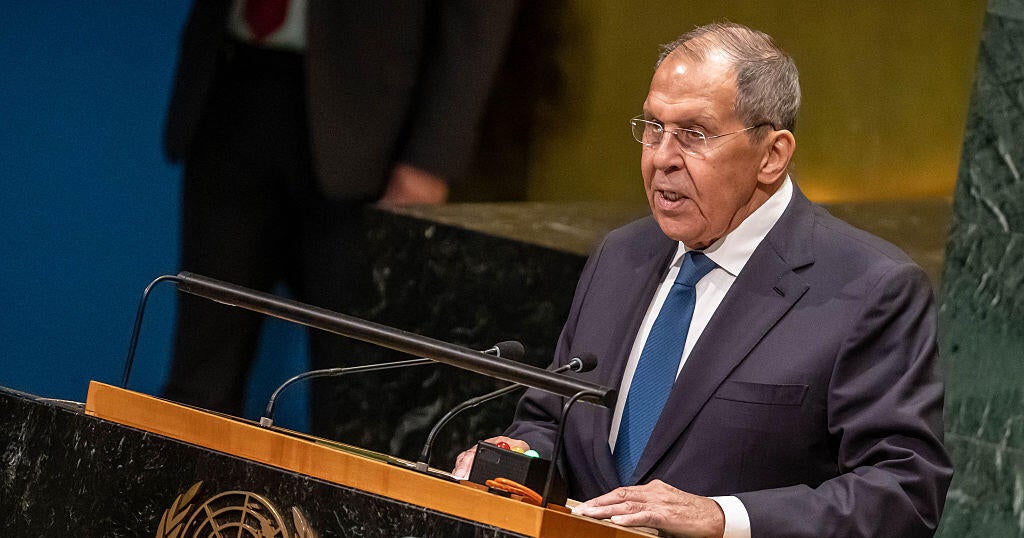
The mission had been extended again and again since it was created in 1991. On Friday in the Security Council, Russia vetoed a draft U.S. resolution that would have supported Morocco's demand for sovereignty over Western Sahara and ended the peacekeeping mission next year. A rival Russian resolution to extend the mission was then voted down. The deadlock ended the force's mandate abruptly.
Morocco's royal palace welcomed the non-renewal, calling the mission an "instrument to internationalize the dispute." The Polisario Front, backed by Algeria, called it "an unacceptable decision." The Algerian foreign ministry said it profoundly regrets the non-renewal and criticized what it called the "excessive bias" of the U.S. draft resolution.
Western Sahara is a vast, mineral-rich desert territory roughly the size of Colorado on Africa's northwestern Atlantic coast, with valuable fisheries. Once ruled by Spain, it is claimed by both Morocco and the Polisario Front. The U.N. classifies it as a non-self-governing territory, while critics of Morocco's control call it Africa's last colony. Morocco administers nearly all of it, except for a narrow strip known as the free zone east of a Moroccan-built sand wall. After Morocco annexed the territory in 1975, the dispute grew into an armed conflict that lasted more than 15 years and killed more than 16,000 people on both sides, according to the French Senate.
A U.N.-brokered cease-fire took effect in 1991 and led to the creation of the U.N. Mission for the Referendum in Western Sahara, known as MINURSO. Its settlement plan called for a referendum on self-determination, with independence among the options, but the vote never happened. Morocco wanted the voter list to include Sahrawis living in the territory it controls. The Polisario objected, arguing that would tilt the result toward integration, and insisted on using Spain's colonial census. Twenty MINURSO personnel died during the mission. It was authorized to have 534 personnel, and its 2026-2027 budget was more than $62 million. Egypt, Ghana and Pakistan were its top military contributors.
The Polisario, which operates from refugee camps in the Algerian city of Tindouf, has seen international support shrink in recent years, while Morocco has secured the backing of a growing number of Western capitals, including Washington, Paris and London. The movement withdrew from the cease-fire in 2020 after clashes, and the territory has remained the scene of low-intensity hostilities since, the U.N. said last month. The U.N. secretary-general "remains concerned about the security situation throughout the Territory and the risk of escalation of hostilities" and urged all sides to show maximum restraint. Western Sahara is the main flashpoint in the rivalry between regional heavyweights Morocco and Algeria.