Hackers Cook Supermarket Fridges Across Belgium and Sweden in Second Wave of Attacks
Delhaize, Colruyt, ICA and Coop reported refrigerators and freezers heating up overnight, less than a month after a similar attack on hundreds of French stores spoiled thousands of pounds of food.
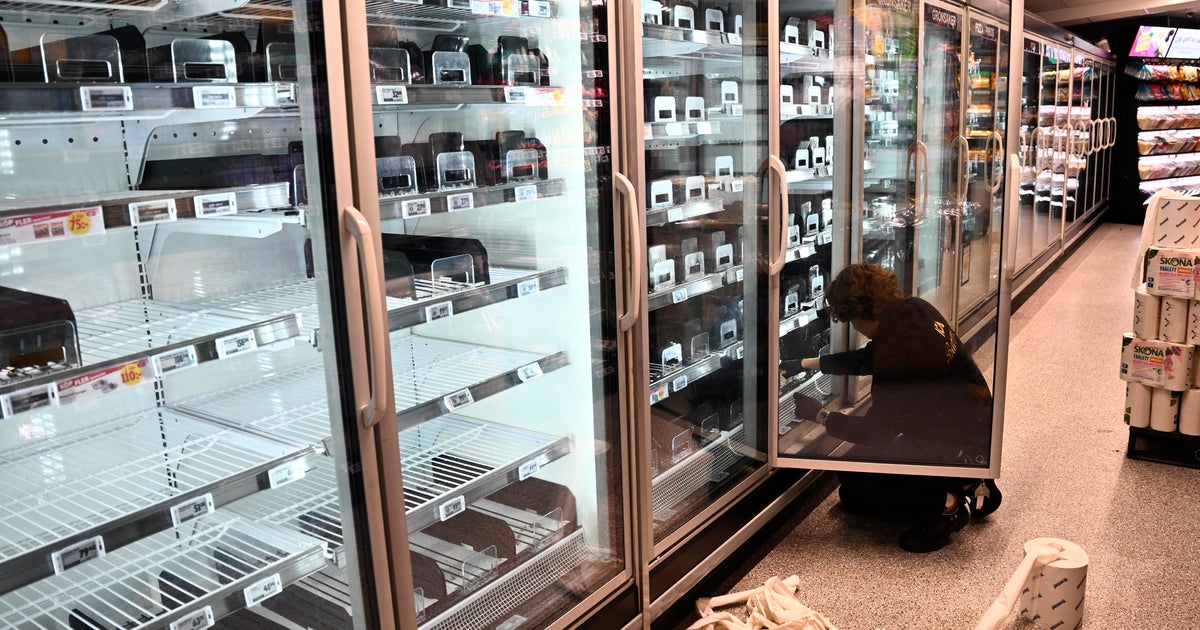
Grocery chains in at least three European countries reported on Monday that their refrigerators and freezers had suddenly started heating up overnight, ruining food and raising fresh fears that hackers are now able to attack the machinery that keeps the continent's supply chain cold. It is the second time in less than a month that such incidents have been tied to suspected cyberattacks on connected infrastructure.
Dutch retailer Ahold Delhaize and Belgium's Colruyt both said an overnight IT incident sent temperatures soaring in dozens of stores in Belgium and Luxembourg. Delhaize spokesperson Sarah De Meester told Reuters the chain noticed the increases in its cooling systems on Monday. Ahold had already reported a cybersecurity incident to Dutch police in October after it detected suspicious activity in its infrastructure.
Stephan Moelans, chief executive of the Belgian refrigeration company Sabcobel, whose systems are used by Delhaize and other chains, told the Belga news agency that a cyberattack was to blame. He said the evaporators in the fridges and freezers were switched into defrost mode. Technicians were mobilized at 1 a.m. and worked through the night to disconnect affected units from the network. Many of the units will need physical modifications, Moelans said, which "requires investment."
In Sweden, the chains ICA and Coop reported similar temperature spikes and said they had to throw away spoiled food. ICA said "a limited number" of its stores were affected but gave no figure, and spokesperson Helena Johansson said the company was still assessing the scale of the problem. A store in Sjöbo, in southern Sweden, posted on Facebook that its fridges and freezers had been hacked and set to 50 degrees Celsius, about 122 degrees Fahrenheit. Coop said six of its roughly 800 Swedish stores were affected. Coop spokesman Carlos Cancino said he had received no information pointing to a cyberattack.
The first wave came on October 12 in France. Several chains, including E. Leclerc, Intermarché and Coopérative U, said a cyberattack had pushed refrigerator temperatures as high as 122 degrees Fahrenheit in hundreds of outlets. The attackers targeted refrigeration control systems from the Danish manufacturer Danfoss. Paris prosecutors confirmed a cyberattack that also hit other major chains and set off fires when equipment overheated. Retailers threw away thousands of pounds of food, and a Reuters photo showed a closed frozen-food aisle near Nantes. Coopérative U chief executive Dominique Schelcher wrote on X last month that targeting equipment essential to preserving fresh products was of extreme gravity and unprecedented.
No group has claimed responsibility for any of the attacks on European grocery retailers. The European Union's food and agriculture commissioner, Christophe Hansen, wrote on X that "food security requires more attention at all levels." Officials have not said whether the French, Belgian and Swedish incidents share the same attacker or the same weakness, and Coop's Swedish spokesman said the company had no indication of a hack at its stores.
The incidents land amid wider alarm over digital threats to physical systems. CBS News has also reported on suspected cyberattacks on water systems in at least 12 U.S. states that may be linked to Iran. For grocers, the damage from a defrosted freezer is immediate and concrete: a store that loses its cold chain overnight has to bin its stock, and as Sabcobel's chief made clear, getting the machines safely back online can mean opening them up and changing them by hand.