Migrant Children Languish in U.S. Shelters for Nearly Six Months, and Some Give Up on Staying
Almost 1,900 children were in federal custody in September, and advocates say the Trump administration has turned a child-welfare program into a tool of its deportation campaign.
One morning this summer, a 9-year-old girl from El Salvador sat down at a Houston-area shelter for migrant children and wrote a letter to her mother. "I want to be with you already," she wrote, adding hearts, a rainbow and an "I love you." She had been in a government-run shelter for more than seven months. She reported feeling sad and lonely, and said she had nosebleeds and thought she had an infection, according to an investigation by KFF Health News published by CBS News on Monday.
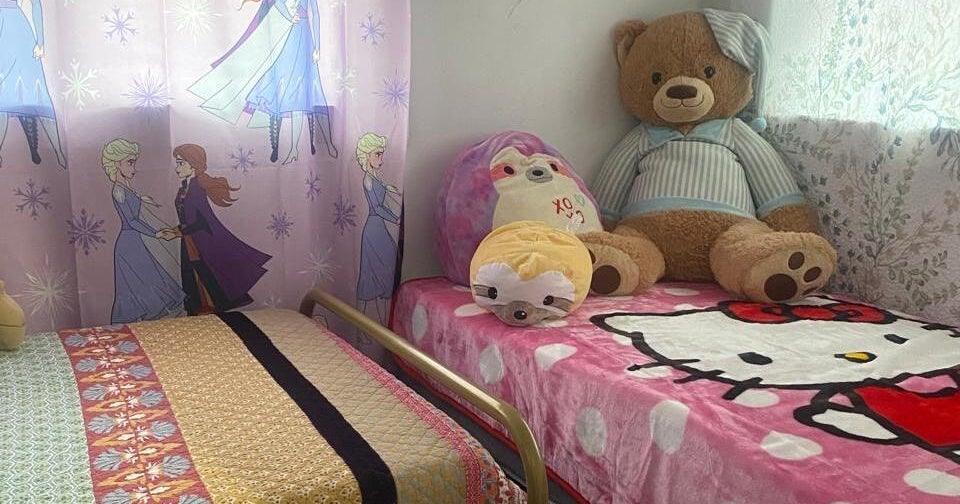
Her mother, identified only as Carmen because the family fears government reprisal, had been seeking custody. In April she went to a Department of Homeland Security office for a DNA test she understood to be the last step before her daughter's release. She had already submitted tax and salary records and fingerprints and hosted a home visit, and the family had set up the girl's room with a Hello Kitty bed cover and Frozen curtains. Instead, immigration officers detained Carmen at the appointment without a warrant. The Office of Refugee Resettlement then rejected her sponsorship application, and she was sent to a detention center in Louisiana despite a pending asylum case and no criminal record. "Both of us are trapped," Carmen said in September.
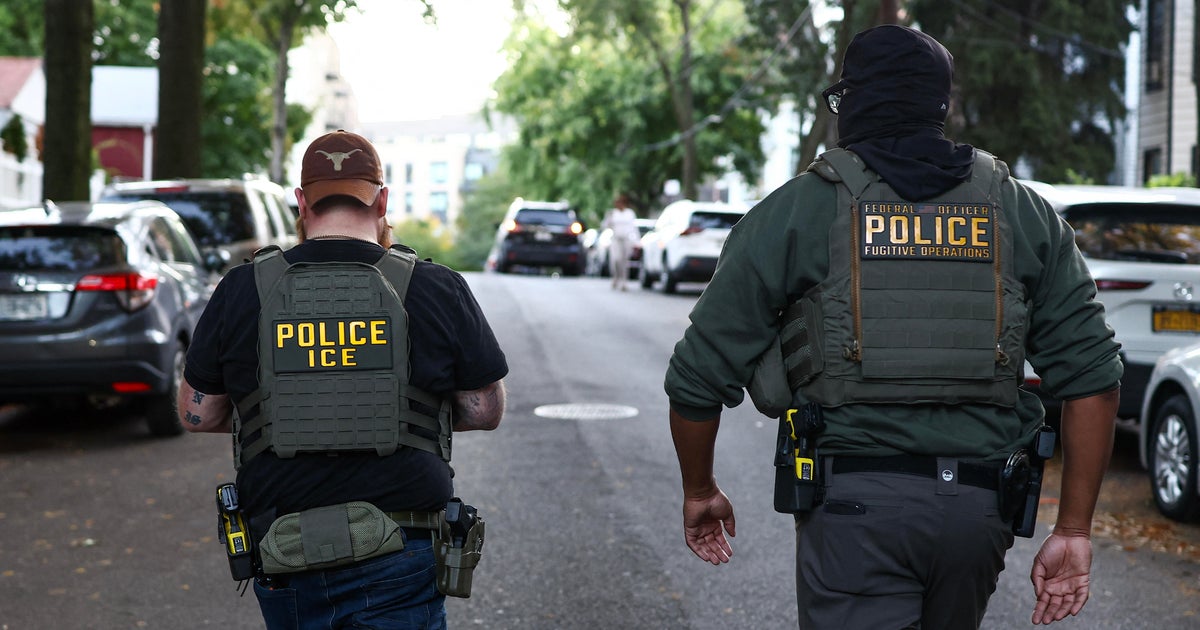
As of September, almost 1,900 children were held in shelters run by the Office of Refugee Resettlement, part of the Department of Health and Human Services. Congress gave the office the job of caring for unaccompanied children more than a decade ago, separate from immigration enforcement. Families, lawyers and advocates say the second Trump administration has reshaped it to serve the deportation drive by holding children rather than releasing them to relatives, and by using them to pull in family members. Jonathan White, a former federal health official who ran the program during part of Trump's first term, described a shift from a child welfare program to a detention program.
Fewer children are in shelters than in past years, but they stay longer. Average stays have grown to nearly six months. Before the current term, children typically waited about a month, and M.R.'s brother, who arrived in 2024, was released after 11 days. Attorney Alvaro Huerta of the Immigrant Defenders Law Center said a 3-year-old spent 300 days in custody and a 6-year-old girl spent seven months after her father was detained and deported during vetting. Federal law requires children to be placed in "the least restrictive setting" and released "without unnecessary delay." The administration has also offered children, including M.R., payments of at least $2,500 to return home voluntarily.
Doctors describe the toll. Dr. Sural Shah, a pediatrician with the American Academy of Pediatrics who has visited shelters, said many children develop anxiety, depression and stress disorders, sometimes with regression or self-harm. Mickey Donovan-Kaloust of the Immigrant Defenders Law Center said some distressed children have attempted suicide. Rep. Andrea Salinas, an Oregon Democrat, said at an October 1 news conference: "When a child sees no way out of detention, voluntary departure may no longer feel like a real choice."
The Department of Homeland Security did not directly answer questions. It said "ICE does not separate families" and that it is working to locate 450,000 unaccompanied children who arrived under the Biden administration, many of whom it says were placed with unvetted sponsors. That claim has been disputed, though a 2024 federal watchdog report found the refugee office had not properly screened sponsors during the Biden-era surge. HHS did not respond.
For Carmen, facing a deportation order, the choice came down to leaving her daughter in long-term foster care or returning to El Salvador with her. Gang violence there has declined, she said, but the people who threatened her are still active in her old neighborhood. In mid-September, 281 days after the girl's arrival and three weeks before her 10th birthday, the two were sent to El Salvador. Her older siblings stayed behind in the United States. "We were fighting to be together," her brother said.