Immigration Judge Rules Wisconsin Mosque President Salah Sarsour Can Be Deported on Rubio Memo
The judge accepted a Secretary of State memo that his actions undermine U.S. foreign policy. His lawyer says that standard makes the case "game over," and an appeal is coming.

MILWAUKEE — An immigration judge ruled Wednesday that Salah Sarsour, president of the Islamic Society of Milwaukee, the largest mosque in Wisconsin, can be deported. Judge Jayme Salinardi based the decision on a memo from Secretary of State Marco Rubio stating that Sarsour's actions "undermine US foreign policy to combat antisemitism around the world."
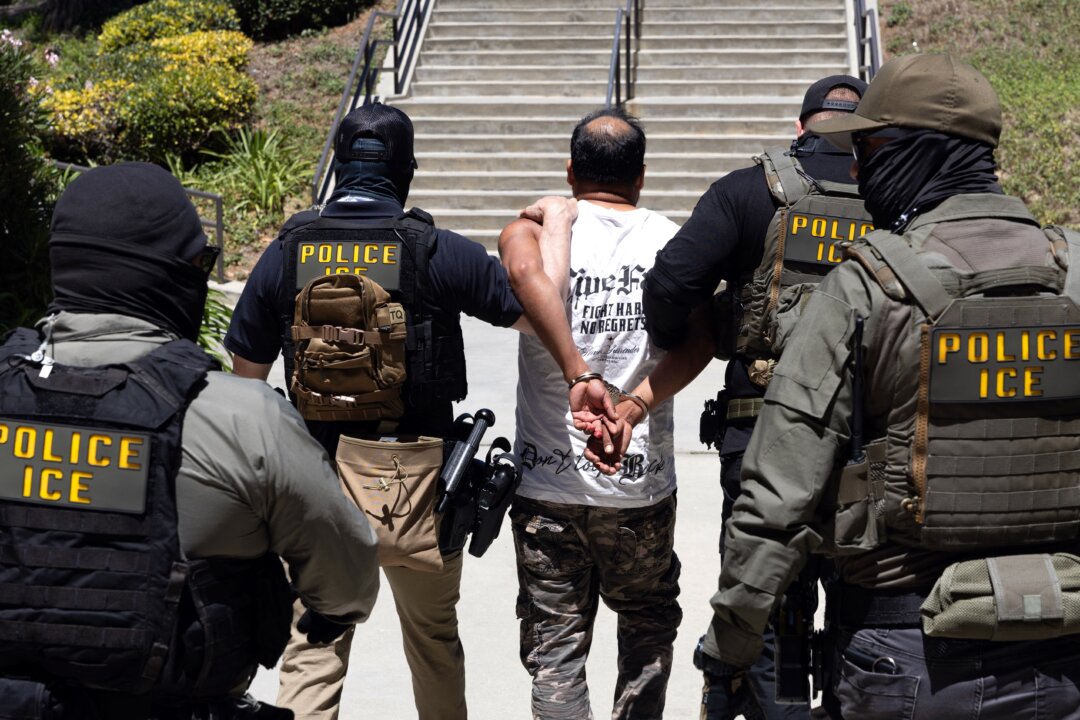
Sarsour, a Palestinian American, came to the United States in 1993 and has been a lawful permanent resident of Milwaukee for more than 32 years. U.S. Immigration and Customs Enforcement detained him in March, and he was held for more than 80 days in an Indiana jail. The government alleged he concealed a conviction tied to attacks on Israelis when he applied for his green card. Salinardi rejected the allegation that he lied on the application but found him removable on the national security and foreign policy ground.
That ground comes from a rarely used provision that lets the Secretary of State determine that a noncitizen's presence could have serious foreign policy consequences. Sarsour's attorney, Patrick Taurel, said the structure leaves judges little to decide. "If the Secretary of State says the person is deportable, it is game over," Taurel said, criticizing the judge's approach.
The ruling does not mean Sarsour will be removed immediately. His lawyers have 30 days to file a notice of appeal and 60 days to ask for protection under the Convention Against Torture, arguing that sending him abroad would expose him to a risk of torture. If those efforts fail, they intend to appeal, and he may remain in the United States while that process runs.
Sarsour has framed the case as a free speech fight. He said he is determined to "continue fighting to defend the right to free speech and to stay in the country." Civil liberties groups have raised similar concerns about the use of foreign policy grounds against residents who are outspoken on Israel and Gaza, arguing that the statute gives the executive branch broad power with little judicial review.
Sarsour's supporters in Milwaukee have rallied since his arrest in March, and the case has drawn attention well beyond Wisconsin because of what it could mean for other permanent residents. If the foreign policy ground can be used against a longtime resident whose green card fraud allegation failed before the same judge, critics argue, the Secretary of State's memo effectively decides the case. The government says the provision exists precisely so that the executive branch can act when it judges a person's presence to be contrary to U.S. foreign policy interests.
The decision lands as the administration widens its immigration enforcement efforts on several fronts, from third-country deportations to new restrictions on benefits. For the Milwaukee Muslim community, where Sarsour has led the mosque for years, the outcome now turns on a torture-protection claim and an appeal that could take months.