Cuba's Hospitals Near Collapse as New U.S. Sanctions Choke Food and Medicine Imports
Doctors tell 60 Minutes they perform surgery by cellphone light and hand-pump oxygen for patients as only one oil tanker has reached the island since January.
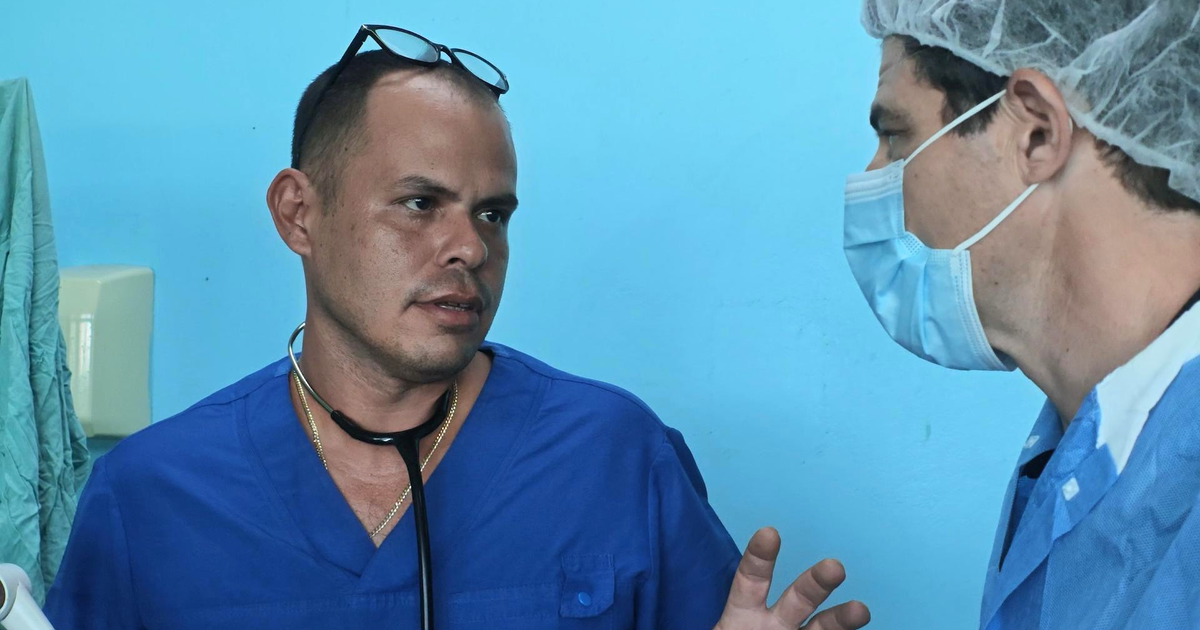
Cuban doctors rushed a 2-month-old baby, dehydrated and suffering from malnutrition, to the intensive care unit at William Soler Pediatric Hospital in Havana. He weighed less than 5 pounds and had been abandoned. After he was stabilized, he needed specialized formulas, many of which come from the United States.
"We have to make do with formulas made from malanga, a starchy root vegetable, and chicken," said Dr. Alejandro Chong, head of the ICU. Doctors in Cuba make compromises like that on every shift, according to a report that aired Sunday on 60 Minutes.
Cuba, 90 miles from the U.S., has always imported much of what it needs. Now new restrictions are making food and medical supplies harder to bring in. Cuba has been under a U.S. trade embargo for decades, but President Trump has tightened it by threatening to sanction anyone who does business with the Cuban regime. Washington says it does not intend to restrict food and medical supplies, but many foreign companies, fearful of U.S. penalties, will not sell them to Cuba.
Cuba's problems predate the new sanctions. The U.S. says the regime mismanaged the economy and let infrastructure crumble. But Cuban officials say only a single tanker of oil has reached the island since early January, which has crippled the electrical grid. When the power goes out at the pediatric hospital, a generator switches on, but the gap matters. "Those few seconds might seem insignificant to someone outside the medical field, but they're precious seconds when you're dealing with a patient under general anesthesia or a patient on a ventilator in the intensive care unit," Chong said.
Doctors told 60 Minutes that when generators fail, they have finished surgeries by the light of cellphones, and they have pumped oxygen by hand for critical patients when ventilators stop. Cancer drugs, anesthetics and lab equipment are all in critically short supply. A toddler had been waiting 68 days for a component of an artificial lung machine that normally takes two days to arrive.
Many doctors have left the profession or the country because the work is exhausting and poorly paid. Chong earns more from a food stand he owns than from running the ICU. Dr. Lórien Rodríguez, a second-year pediatric surgery resident, works as a radio announcer to support herself. Paloma Blanco, a dancer with the National Ballet of Cuba who is eight months pregnant, said she has asked friends in the U.S. to send surgical supplies in case she needs a cesarean section.
Carlos Fernández de Cossío, Cuba's deputy foreign minister and a main negotiator with the U.S., called the American position criminal. "The United States has no legitimacy to what they're claiming. They just have brutal power against the whole population of another country," he said.
The Trump administration has stepped up its rhetoric. Secretary of State Marco Rubio previously told Axios there will be "no escape valves" for Havana, and the administration has threatened possible military action. At an event last month, Trump said ships returning from Iran would pass Cuba and that "we're gonna send Marco Rubio in to finish up the deal." A Rubio spokesman said in a statement that the "failing Cuban regime continues to blame the United States and everyone else for their own incompetence and corruption." Rubio declined an interview request.