Trump Vows U.S. Will Take Over Cuba "Almost Immediately," Drawing Defiant Response From Havana
Speaking at the Forum Club of the Palm Beaches, the president said an American carrier offshore would be "all it takes" — President Miguel Díaz-Canel replied that Cubans "would die" before surrendering.
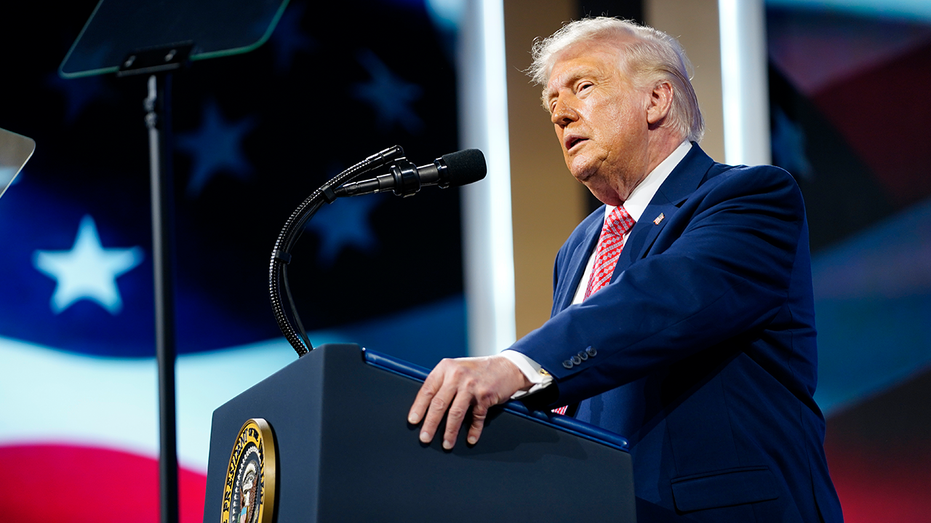
President Donald Trump declared this week that the United States would be "taking over" Cuba "almost immediately," reigniting one of the strangest and most consequential standoffs in the hemisphere and prompting Cuban President Miguel Díaz-Canel to vow on Saturday that his country "would die to defend itself." Speaking at the Forum Club of the Palm Beaches in West Palm Beach, Florida, the president sketched a hypothetical in which an American aircraft carrier could simply park outside Cuban territorial waters and that "the show alone would do the job."
Trump's remarks, which White House aides scrambled to characterize as "rhetorical," were the latest escalation in a pressure campaign that began in late February when the administration imposed a sweeping fuel blockade on the island. Since then Havana has endured rolling blackouts of 18 to 22 hours a day, a near-total collapse of public transit and acute shortages of medicine; the United Nations World Food Programme warned last week that 1.4 million Cubans now require emergency food assistance. The president tied the latest comments to the war in Iran, saying any naval move against Cuba would come "on the way back" from the Persian Gulf.
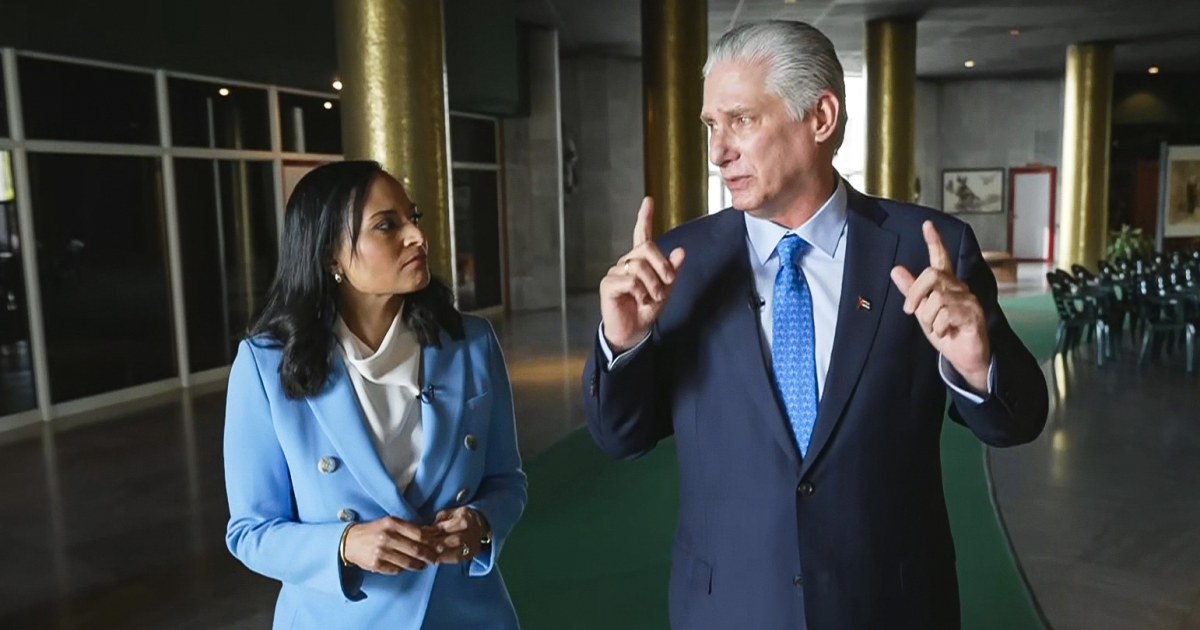
In a Facebook statement Saturday morning, Díaz-Canel responded with some of the sharpest language he has used since taking office in 2019. "No aggressor, regardless of their might, will ever find surrender in Cuba," he wrote. "Any attacker will face a determined people ready to defend sovereignty and independence at every inch of national territory." Foreign Minister Bruno Rodríguez, addressing diplomats at the Palace of the Revolution, called the new sanctions "coercive measures amounting to collective punishment" and announced Havana was filing a formal complaint at the U.N. Human Rights Council.
The remarks set off alarm in Latin American capitals already rattled by the administration's posture toward Venezuela and Nicaragua. Mexican President Claudia Sheinbaum, speaking at her morning news conference, said any U.S. military action against Cuba "would be a historic mistake without precedent." Brazilian Foreign Minister Mauro Vieira convened an emergency meeting of the Community of Latin American and Caribbean States. In Washington, the Senate Foreign Relations Committee's ranking Democrat, Jeanne Shaheen, demanded that the administration brief Congress within 72 hours on whether any contingency plans for an invasion exist.
White House press secretary Karoline Leavitt declined to clarify whether the president's remarks reflected operational planning, telling reporters only that "the president speaks for himself" and that Cuba's leadership "knows the path back to relief — it begins with releasing American hostages and stopping the export of regime intelligence officers to Venezuela." Trump did not elaborate Friday on whether his "take over" remarks were meant as humor, political messaging or an outline of future policy. Inside the Pentagon, two senior defense officials, speaking on the condition of anonymity, told reporters there are "no current orders" for any operation involving the island, but conceded that contingency planning for a humanitarian-corridor mission has been refreshed in recent weeks.