State Department Begins Revoking Passports of 2,700 Americans Owing $100,000 or More in Child Support
A 1996 welfare law has long allowed denial of new passports for delinquent parents — but the Trump administration is the first to actively cancel passports already in circulation.
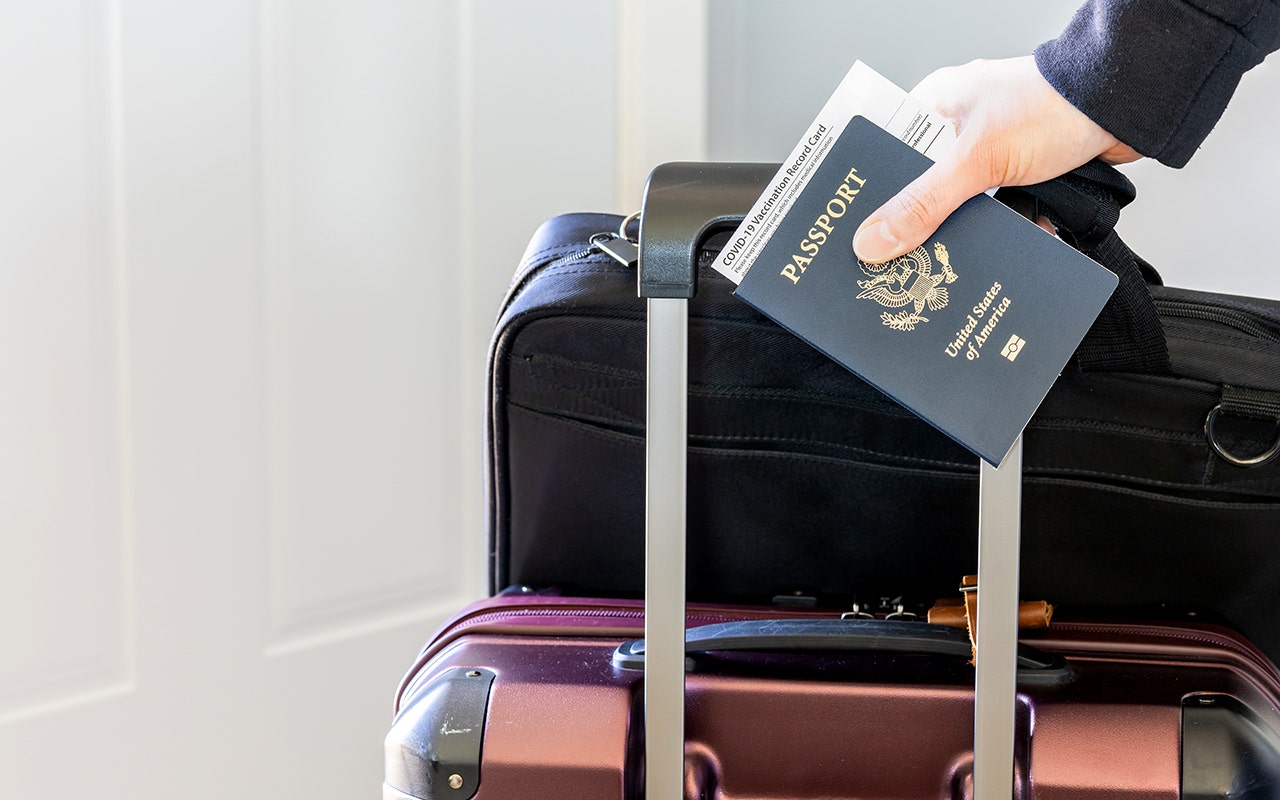
The State Department on Friday will begin actively revoking U.S. passports held by Americans who owe $100,000 or more in past-due child support, an unprecedented use of an enforcement tool that has existed on paper since 1996 but has historically been limited to denying new passport applications. Roughly 2,700 passport holders will be affected in the first wave, according to figures provided by the Department of Health and Human Services to the Associated Press, with the dragnet expected to widen later this year to anyone with arrears over $2,500.
"Travel outside the United States is a privilege, not a right, and that privilege should not be available to a parent who has chosen not to support their own child," Secretary of State Marco Rubio said in a statement announcing the policy. The State Department said notices are being mailed this week to the 2,700 affected passport holders, either to the email address on file or to the mailing address listed on each individual's most recent passport application. Once a notice is sent, the State Department said, the document is canceled in its database and may not be used for international travel even if the physical book is still in the passport holder's possession.
The mechanism rests on the Personal Responsibility and Work Opportunity Reconciliation Act of 1996 — President Bill Clinton's welfare-reform law — which created a federal "Passport Denial Program" administered jointly by HHS and State. Until now, that program has functioned almost entirely as a renewal-blocking tool: when a parent in arrears applied to renew a passport, the application was held until the debt was cleared. The Trump administration is the first to interpret the statute as authorizing active revocation of currently-valid passports.
The policy has drawn praise from state child-support enforcement directors, who say it provides them long-overdue leverage in a system that has struggled to collect from high-income deadbeat parents. According to HHS figures, the federal child-support enforcement program collected $32.7 billion in 2024 — but more than $115 billion in cumulative arrears remained on the books, with roughly half owed to families and half owed to state and federal governments to reimburse welfare payments. "This is the first real consequence many of these parents have ever faced," Vicki Turetsky, who ran the federal Office of Child Support Enforcement during the Obama administration, told the AP.
Civil-liberties groups and family-law attorneys, however, warned the policy could ensnare parents whose arrears stem from outdated court orders, identity-theft cases or disputes about paternity that take years to resolve. The American Bar Association's family-law section called for a 90-day notice-and-cure period before any revocation. Once a passport is canceled, the State Department said, it will take "a minimum of two to three weeks" after the debt is paid in full for a parent to regain travel eligibility — a timeline that lawyers say could disrupt international job assignments, cross-border custody exchanges and overseas medical travel for affected families.