Iran-U.S. Peace Talks Hit Deadlock Over $24 Billion in Frozen Assets as Fresh Strikes Rock the Gulf
A senior adviser to Iran's supreme leader told CNN the negotiations are stuck over Tehran's demand for the release of $24 billion, warning the war could spread far beyond the Strait of Hormuz.

Negotiations aimed at ending the conflict between the United States and Iran have ground to a halt over Tehran's demand that Washington unfreeze $24 billion in Iranian assets, a top adviser to Iran's supreme leader said this week, even as fresh missile and drone exchanges rattled the Persian Gulf.
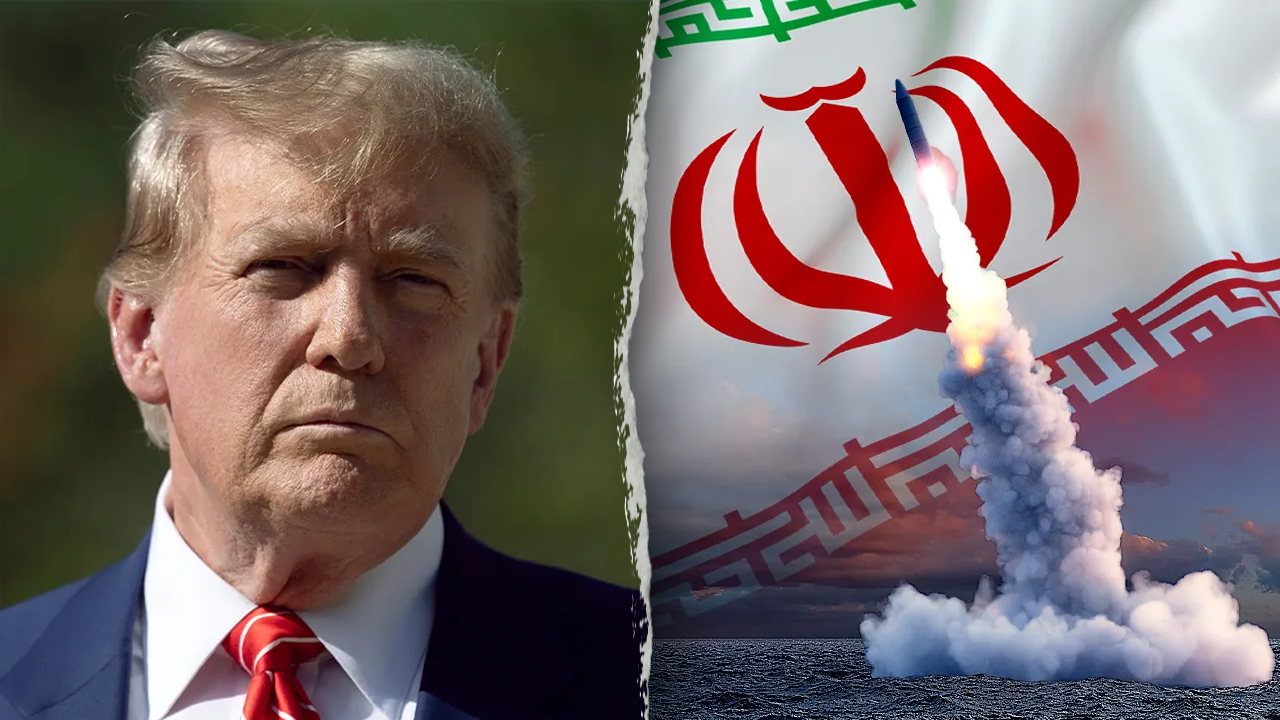
"The negotiations are at a deadlock, and President Trump must break this deadlock," Mohsen Rezaei, a military adviser to Supreme Leader Ayatollah Mojtaba Khamenei, told CNN in an interview published June 5. Rezaei said Iran is insisting on the release of $12 billion in frozen funds as soon as an interim agreement is signed, with another $12 billion to follow at a later stage. Tehran argues the money is Iranian property and should not be treated as a concession.
U.S. officials see it differently. According to people familiar with the talks, the Trump administration is reluctant to release any of the funds at this stage, viewing the frozen assets as one of the few remaining points of leverage over the Iranian government. The proposed framework under discussion has included a temporary moratorium on Iranian uranium enrichment, a phased rollback of sanctions, and the gradual reopening of maritime trade routes through the Persian Gulf.
Rezaei coupled his appeal with a warning. If the United States resumes full-scale fighting, he said, Iran would "drag the war" well beyond the Persian Gulf, potentially expanding operations from the Strait of Hormuz into the Indian Ocean, the Bab al-Mandab Strait, the Red Sea and the Mediterranean. The threat underscored how close the two sides remain to a wider confrontation despite both insisting a fragile ceasefire is technically still in place.
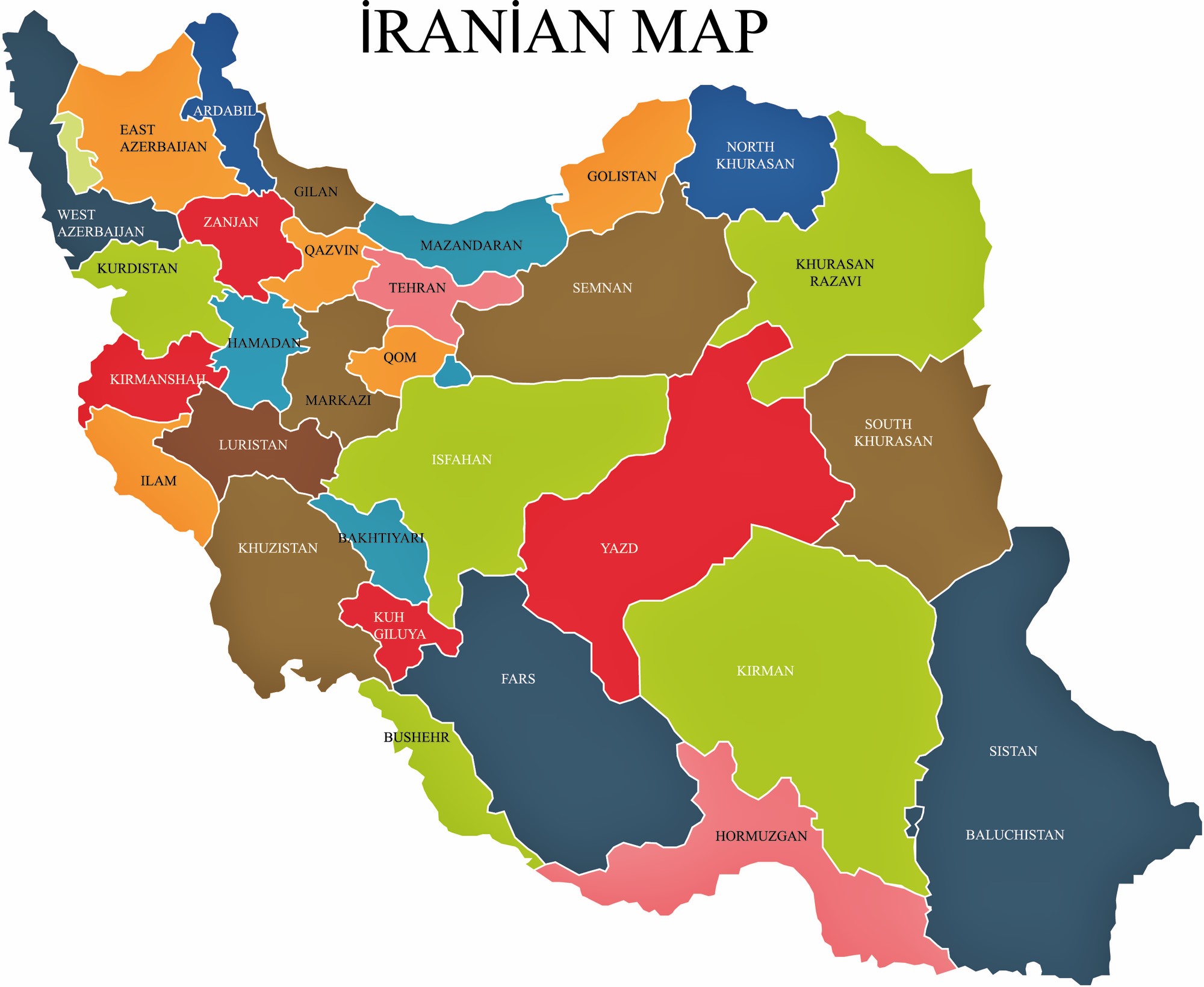
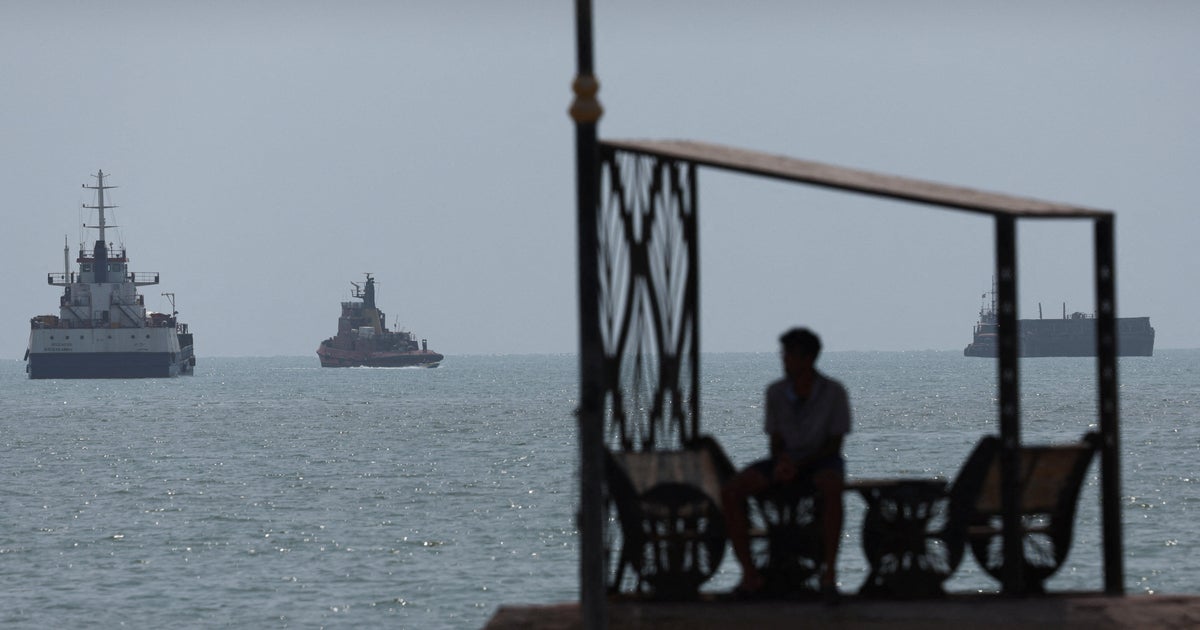
The diplomatic impasse played out against a backdrop of renewed violence. In recent days Iran said it targeted U.S. forces in Kuwait and Bahrain as well as a vessel near the Strait of Hormuz, sending air-raid sirens wailing across both Gulf states. The U.S. military said the Iranian missiles and drones aimed at Kuwait and Bahrain either failed or were shot down, and that American forces responded by striking coastal surveillance radar sites inside Iran. With an estimated fifth of the world's oil passing through the Strait of Hormuz, the standoff has kept global energy markets on edge and left the prospect of a durable settlement hanging on whether Washington is willing to part with the $24 billion Tehran is demanding.
For his part, Trump has publicly insisted that Iran's nuclear program will be resolved "one way or the other," language that has done little to reassure markets or regional capitals. The competing red lines — Tehran's demand for cash up front, Washington's refusal to surrender leverage before it sees verifiable steps — have left mediators with little room to maneuver. Analysts tracking the talks say the longer the deadlock persists, the greater the risk that a single miscalculation in the crowded shipping lanes of the Gulf could tip a brittle truce back into open war.