U.S. Troops Leave Their Last Iraq Bases After 23 Years, and Iran Calls It a Win
The pullout ends a military presence in which about 4,500 Americans died, and it comes as the U.S. wages war on Iran and Iraqi militias resist disarming.

U.S. forces are completing their withdrawal from Iraq's last military bases this week, ending a presence that began with the 2003 invasion and lasted 23 years. The departure is due to be finished by Wednesday, Sept. 30, under a deal the United States signed with the Iraqi government in 2024 during the Biden administration.
The exit has been carried out under President Trump even as the United States fights a war against Iran, a timing that Tehran has seized on. Iran and its allied armed groups, which they call the "axis of resistance," are casting the pullout as a victory. Iranian officials have said their ultimate aim is to force American forces out of the entire Middle East.
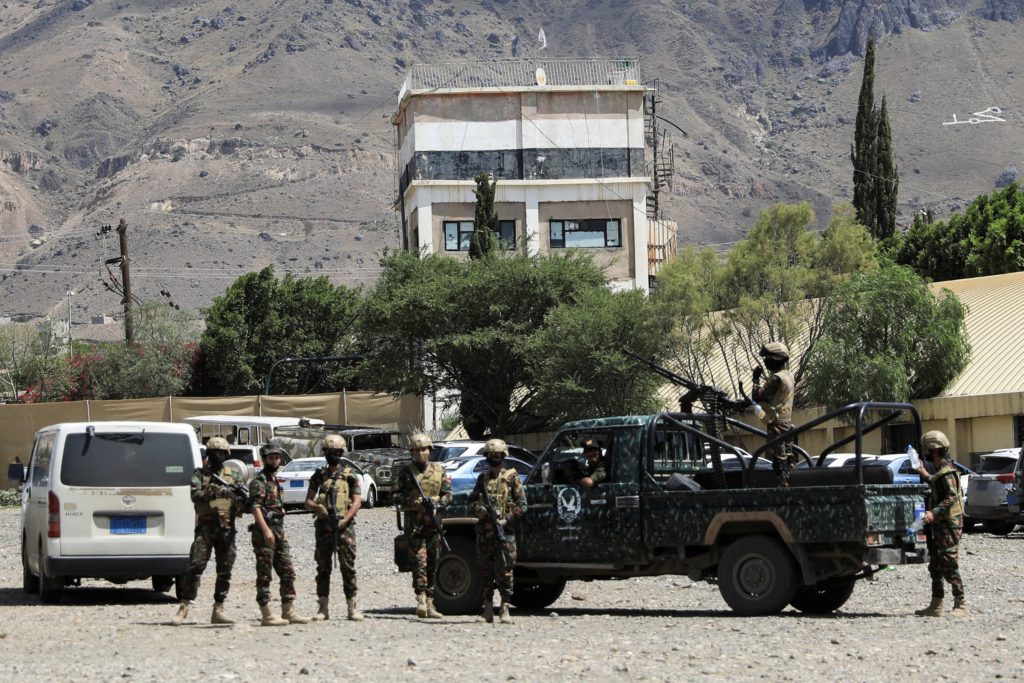
Iraqi officials say the American departure is essentially complete in federal territory. The final advisers left Ain al-Asad Air Base in western Anbar province, which hosted U.S. troops for more than two decades. The Victory base near Baghdad International Airport is now free of American personnel, according to a Baghdad official. Reports indicate some U.S. forces remain at Harir Air Base in the Kurdistan Region, and Marines or other personnel are expected to stay at the U.S. embassy in Baghdad, the largest American diplomatic facility in the world.
About 4,500 Americans died in the Iraq war and its aftermath. Seven U.S. service members died in Iraq during the current Iran conflict, the last in July while handling a drone detonation near Erbil.
Many Iraqis welcome the end of the foreign military presence, but the way it is ending worries some. "All Iraqis aspire to full sovereignty, and no Iraqi would dispute that," said Sunni tribal leader Abdulrahman al-Zobaie. "But I believe that the coalition leaving in this way and creating a vacuum is what all Iraqis fear." Security analyst Jasim al-Bahadli said Iran "stands to benefit strategically from the coalition's departure because it removes a military presence that for years acted as a counterweight to Tehran's influence in Iraq."
The Islamic State is the other concern. Kurdish commander Sirwan Barzani said militant movement has increased since the withdrawal was announced, a sign, he said, that the group sees a chance to regroup. Iraqi security officials share the worry that remnant cells could exploit gaps left by the coalition.
The militia question is unresolved. Two prominent pro-Tehran groups, Asaib Ahl al-Haq and Kataib Imam Ali, along with cleric Moqtada al-Sadr's Saraya al-Salam faction, say they have placed their weapons under state authority. But disarmament that was meant to run alongside the U.S. withdrawal has been pushed to June of next year, leaving Baghdad's monopoly on force untested just as the Americans leave.