U.S. Extends Iran Blockade to Land Routes as Trump Calls New Strikes Unlikely
A new Central Command task force targets weapons and revenue crossing Iran's borders, while Trump tells CNN renewed war is 'highly unlikely' if Tehran signs a strong deal.

The Trump administration on Sunday widened its blockade of Iran to cover ground transportation, even as President Donald Trump said a return to full-scale war is unlikely if Tehran makes progress in nuclear talks.
Trump told CNN by phone that new attacks on Iran would be "highly unlikely" if negotiations over Iran's nuclear program and the reopening of the Strait of Hormuz advance. He said the outcome depends on whether Iran signs "a very strong agreement," and that he would order strikes only "if necessary." He also said three aircraft carriers are in the region, "fully locked and loaded."
On Truth Social, Trump said a new Central Command effort, called Task Force Iron Gate, is in "full force and effect." CENTCOM created the task force on Saturday, with about 20 personnel based in Tampa, Florida. Its job is to disrupt the movement of weapons, sanctioned materials and illicit revenue across Iran's land borders and the Caspian Sea. The blockade had until now covered Iranian ports.
The U.S. Treasury has reportedly asked Iraq to close all but two of its border crossings with Iran. Iraqi Foreign Minister Fuad Hussein said Baghdad is still in talks on the request and called a full closure difficult for Iraq's economy.
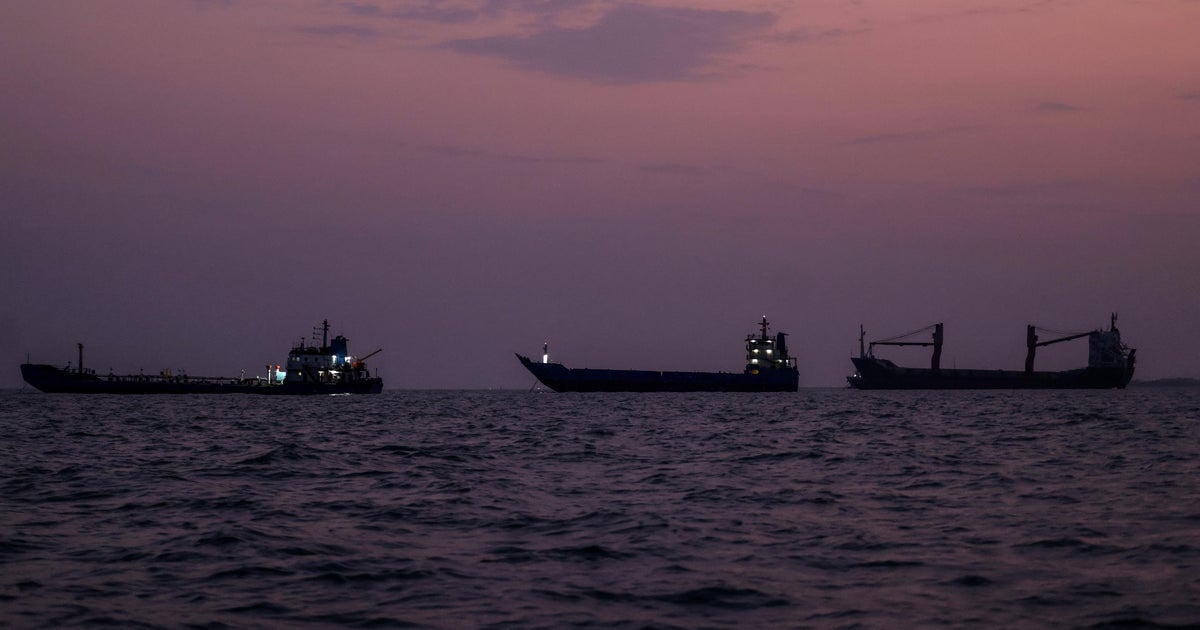
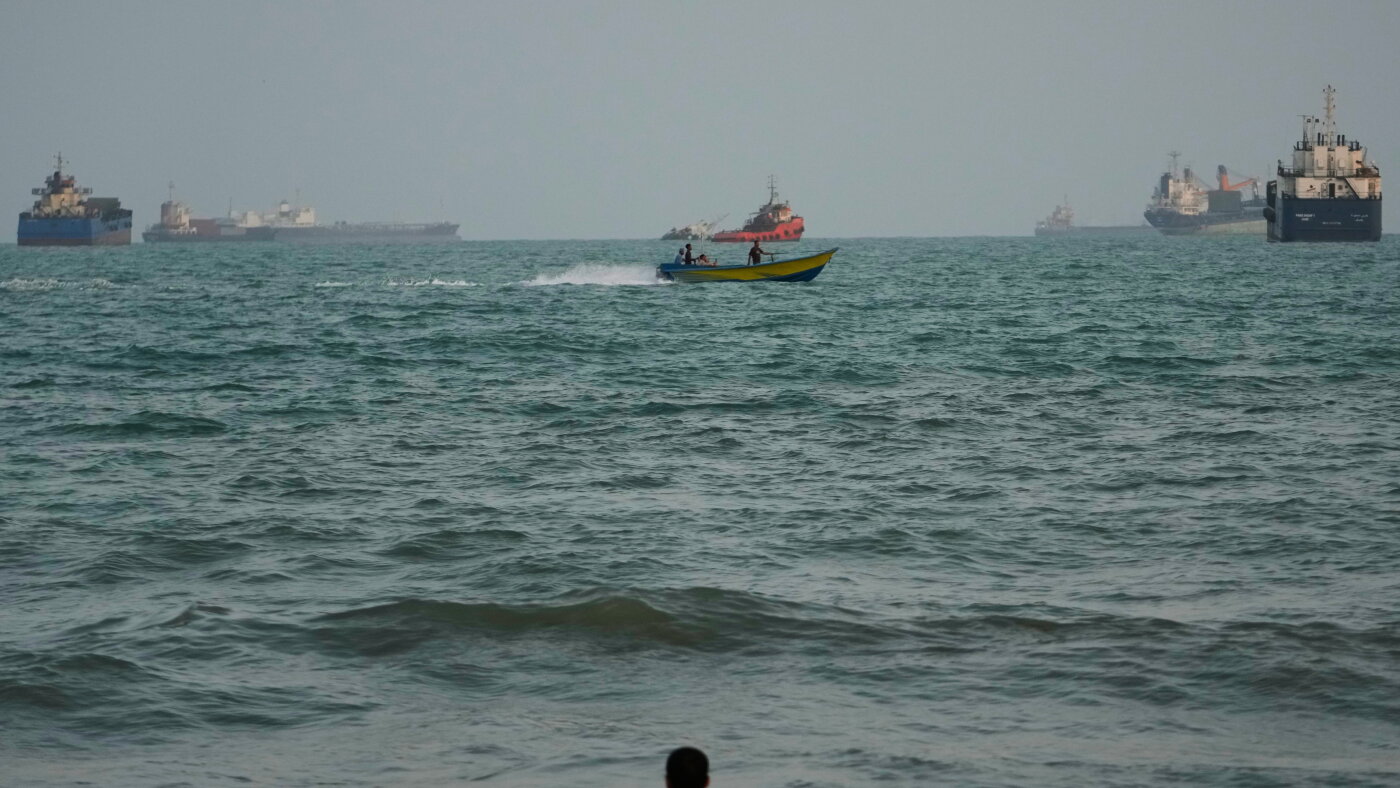
The naval blockade has been enforced in the Gulf of Oman. CENTCOM says it has redirected 147 commercial vessels since July and disabled several merchant ships that refused to comply. On Saturday, a U.S. aircraft disabled the cargo ship M/V Huda in the Gulf of Oman. Trump also said U.S. forces carried out "minor strikes" on an anti-aircraft system on Qeshm Island, and that the U.S. has identified possible infrastructure targets, including power plants and 38 bridges.
Iran has taken a hard line. Foreign Minister Abbas Araghchi warned that Iranian forces would "rain down hell" on U.S. forces if Washington rejects Tehran's proposal, which Iran sent through mediator Qatar on Thursday. The two sides have been at a stalemate for months, with little fighting or diplomatic progress, although Iran has attacked oil tankers in the Strait of Hormuz. Trump called Iran "a failing nation" and cited 301% inflation, a figure that UPI attributes only to him.
The talks are unfolding under heavy political pressure. Anger over the war was a major factor in last week's midterm elections, in which Democrats won both chambers of Congress. Iranian hardliners reportedly see the result as a chance to get Washington to accept their demands to keep their nuclear program and control the Strait of Hormuz. Iran has had trouble selling crude because of U.S. sanctions, and billions of dollars of its assets in overseas banks are frozen.
Inside the White House, advisers are divided over whether to resume strikes or keep negotiating, The Wall Street Journal has reported. The United States, Iran and Qatar have disclosed little about the talks.