Drones From Iraq Shut Saudi Arabia's Escape Route Around Hormuz
Baghdad Fired Two Commanders and Sealed Its Border With Iran.
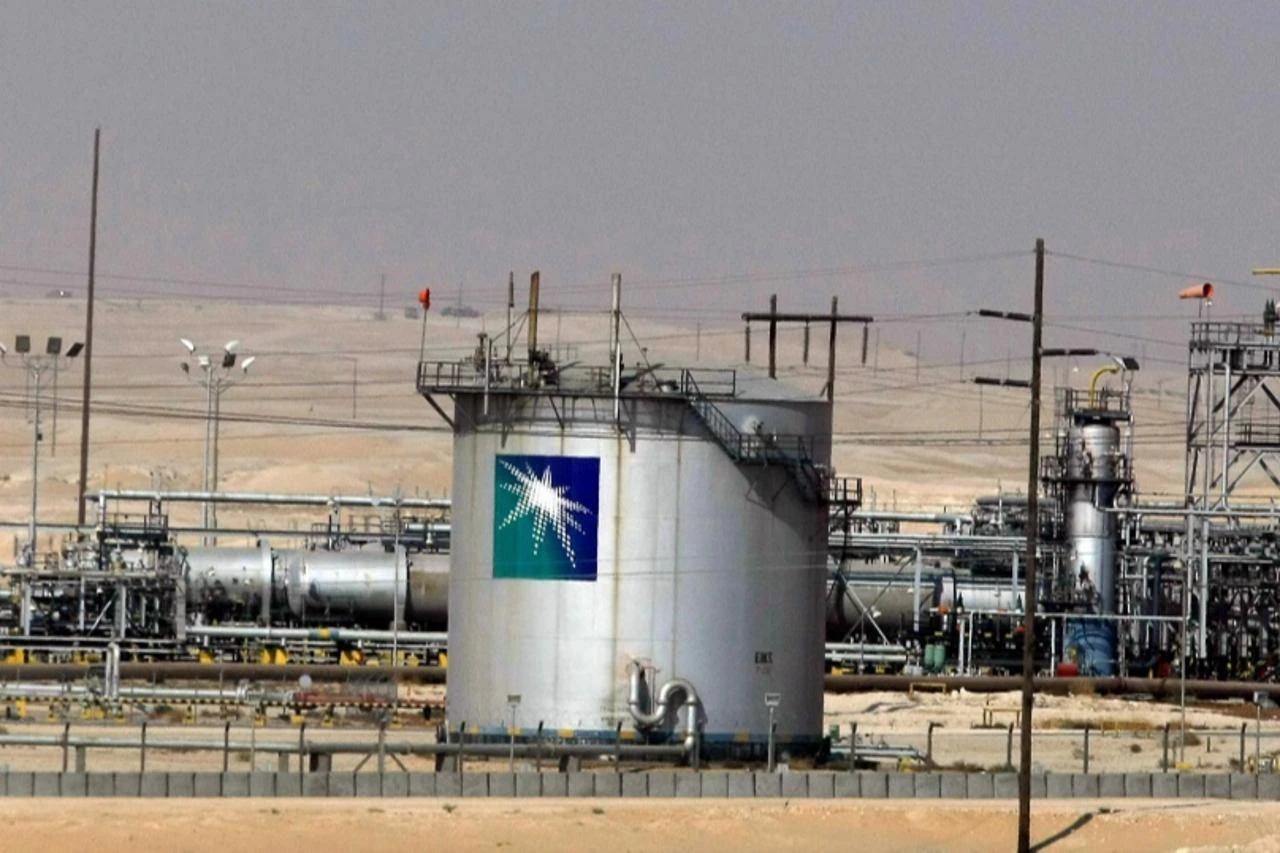
The East-West pipeline that let the kingdom pump more than 5 million barrels a day to the Red Sea is closed after a drone attack traced to Iraqi territory, while the Houthis now hold every island in the Bab el-Mandeb and Crown Prince Mohammed bin Salman is pressing Trump to strike them.
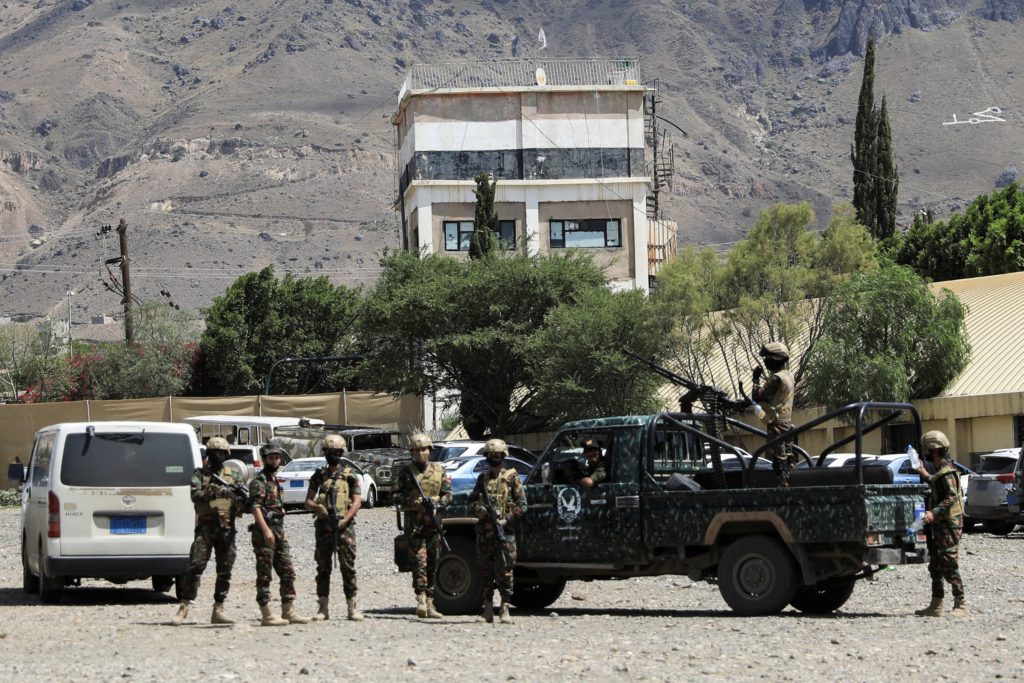
Iraq's government scrambled on Saturday to contain the fallout from a drone attack on Saudi Arabia's East-West oil pipeline, the cross-country line that had become the kingdom's main workaround to the Iranian-threatened Strait of Hormuz. Saudi Arabia shut the pipeline on Friday as a "precautionary measure" after it was struck the day before, saying several of the drones had come from Iraq. The kingdom said it would not retaliate, in order to give Baghdad "an opportunity to take the necessary measures." Iraq's government confirmed the attack had originated on its territory, pledged an investigation, and by Saturday had dismissed two senior officials.
Prime Minister Ali al-Zaidi ordered a probe of the operations command in Maysan province, which sits on the Iranian border, and removed the province's military commander. His office later said the provincial police chief had also been dismissed. Iraq's state-run news agency reported that the country had closed two key border crossings with Iran; Valiollah Hayati, deputy governor of Iran's Khuzestan province, identified them as Shalamcheh and Chazabeh. The umbrella group of Iran-backed militias in Iraq denied responsibility, praised the Houthis for their "ongoing battlefield victories against Saudi forces," and said it would cooperate with the investigation. Iraq had already set a Sept. 30 deadline for non-state groups to disarm; several of the most powerful militias, including the Iran-backed ones, have said they will not comply. Kuwait, the United Arab Emirates, Oman, Egypt, Lebanon and Turkey all condemned the attack.
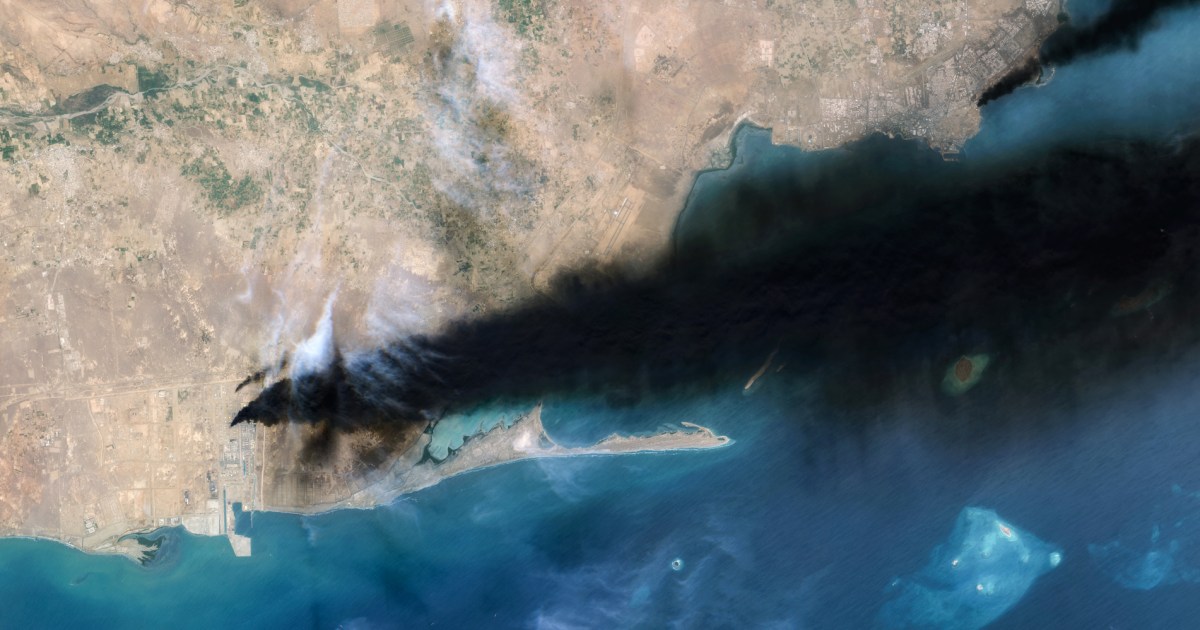
The pipeline's closure matters because of what it had been carrying. After the U.S. and Israel attacked Iran on Feb. 28 and Tehran effectively shut the Strait of Hormuz, Saudi Arabia rerouted crude across the Arabian Peninsula to the Red Sea port at the pipeline's western end, more than doubling exports from there to over 5 million barrels a day by early June, according to the International Energy Agency. That oil could then go north through the Suez Canal or south through the Bab el-Mandeb Strait toward Asia. Both routes are now under pressure at once. The Houthis, who resumed large-scale attacks on Saudi shipping in July, have advanced down Yemen's Red Sea coast, seized the port of Mokha, and, according to the Yemeni government on Friday, taken the last two islands in the Bab el-Mandeb that they did not already control. Houthi attacks had already cut Saudi exports to Asia from about 3.4 million barrels a day in June to just 128,000 in August before a partial recovery to 700,000 this month, according to figures compiled by Kpler.
Oil has hovered around $100 a barrel for the past week, its highest level since July, and some analysts warn it could reach $120 if fighting continues in both the Gulf and the Red Sea. "There's actually not necessarily all that much that the Houthis need to actually do," said Sarah Phillips, a fellow with the Sanaa Center for Strategic Studies. "Having the threat there is very powerful because you get insurance companies becoming nervous about putting ships through that area." Regional officials have told The Associated Press that the Houthis and the Iraqi militias recently coordinated attacks on Saudi oil facilities, which prompted Saudi and U.S. strikes on militias in Iraq in July.
In Washington, President Trump said Iran was "probably" responsible for the pipeline attack but sought to play down the confrontation. "The Houthis called us, and they don't want to fight with us," he said. "They would much prefer not having us involved, and they're letting most ships go through." He said his administration has had "discussions" with the group; the White House did not say when. Two sources familiar with the matter told CBS News that Crown Prince Mohammed bin Salman has personally pressed Trump in multiple calls in recent days to take military action against the Houthis, and that Trump has so far declined, offering intelligence and targeting support instead. Adm. Bradley Cooper, the commander of U.S. Central Command, was in Saudi Arabia for coordination talks on Friday, one source said. A senior administration official said the U.S. is "focused on protecting our core national security interests — such as ensuring freedom of navigation in the Red Sea — while empowering our regional partners to take the lead."
Iran, for its part, is positioning the crisis as leverage. "We are not in war with Saudi Arabia, and the Houthis have their own problems," President Masoud Pezeshkian told India Today TV on the sidelines of the BRICS summit in New Delhi. He said the Strait of Hormuz "would be opened up on the condition that the U.S. will terminate its blockade," and Tehran has proposed that inbound traffic pass entirely through Iranian waters, with transit fees. A meeting of Iranian and Gulf foreign ministers on managing shipping is planned for Monday, though Bahrain said it would not attend any session including Iran until diplomatic relations are restored. The U.S. military said Saturday its forces had redirected 100 commercial vessels over the past 60 days. Michael Ratney, a former U.S. ambassador to Riyadh, called the week's developments "incredibly frustrating" for the Saudis: "This is a war they had never asked for," he said, "and once it started, all of their worst-case scenarios started coming true."