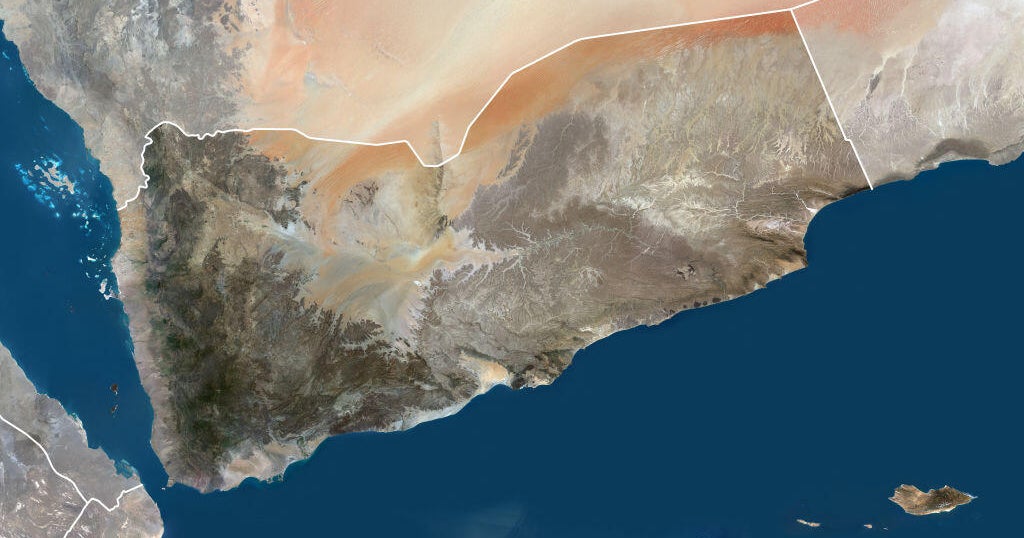
Houthi Missiles Set Saudi Aramco's Jizan Refinery Ablaze as Yanbu Interceptors Fire Overhead
Reuters verified video of a column of smoke over the Red Sea refinery. Saudi air defenses shot down two ballistic missiles aimed at Yanbu, and output at one plant has already been cut.
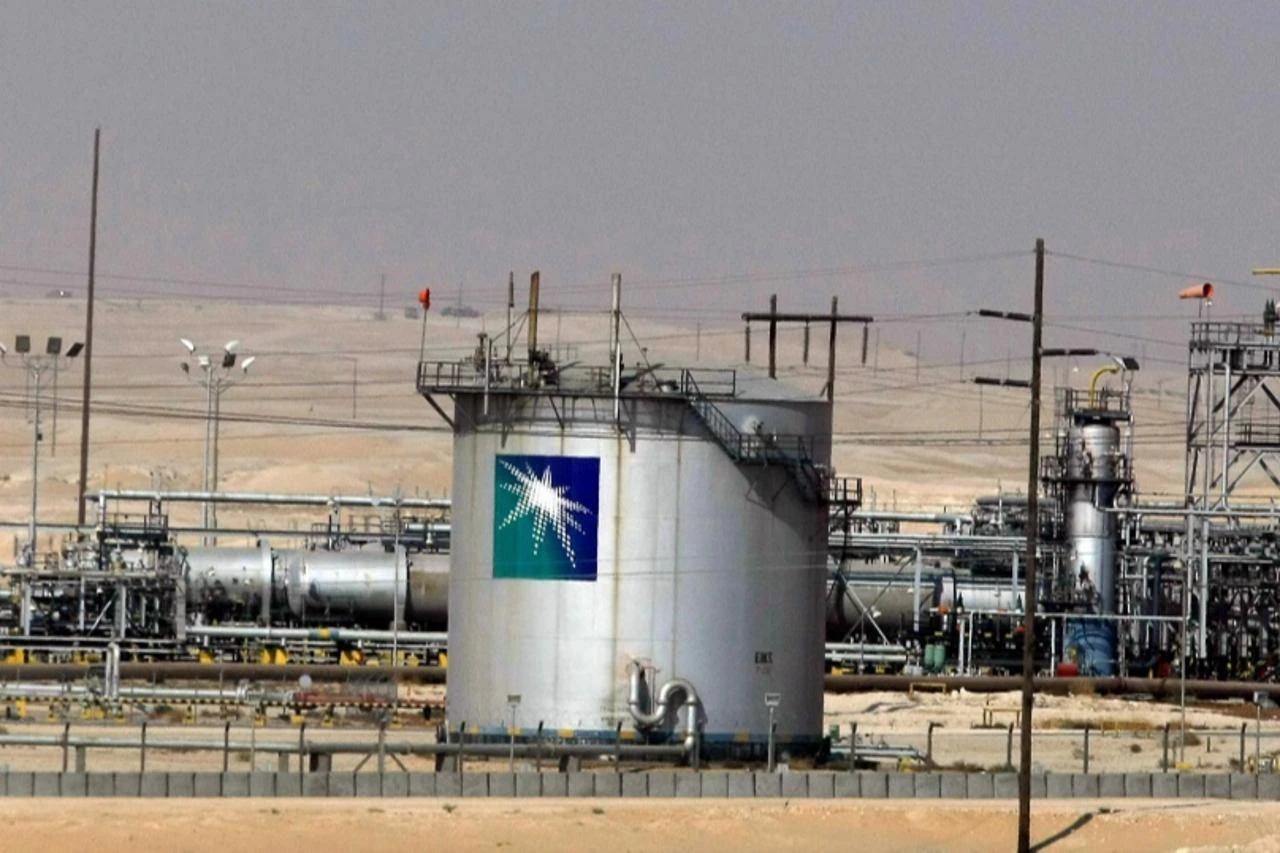
Yemen's Houthi movement struck deep inside Saudi Arabia early Saturday, claiming missile and drone attacks on Saudi Aramco facilities at Jizan and Yanbu and setting off a fire at one of the largest refineries on the Red Sea coast.
The group's military spokesman, Yahya Sare'e, said the Houthis had "carried out operations targeting Saudi Aramco oil facilities in the southern cities of Jizan and Yanbu." Ansarollah, the movement's media arm, said on Telegram that a Yemeni missile strike had sparked fires at Jizan. Reuters verified footage circulating on social media showing a thick column of black smoke rising from the direction of the Aramco refinery there, and two Asia-based trading sources said they had been informed of damage at the site. Saudi state media later confirmed that output at one of the kingdom's refineries had been temporarily reduced following the overnight attack.
At Yanbu, roughly 700 miles up the coast, Saudi air defenses intercepted two ballistic missiles fired from Yemen. Saudi authorities had warned residents in both cities to expect attacks after the Houthis vowed retaliation, an unusual public alert that suggests Riyadh had advance intelligence on the strike package.
The exchange began the previous day. The Saudi-led coalition said Friday it had hit Houthi military sites in the Red Sea port of Hodeidah, targeting infrastructure it linked to the group's campaign against commercial shipping. The Houthis answered before dawn. Both Jizan and Yanbu were repeatedly targeted during the earlier phase of the Yemen war, but had been untouched since a United Nations-brokered ceasefire took hold in 2022 — a truce that survived nearly four years and collapsed this month as the war between the United States and Iran pulled the Gulf's other combatants back in.
The strikes land on an oil market already carrying a war premium. The Houthis declared a naval blockade of Saudi Arabia earlier this month, a threat aimed at roughly a quarter of the world's seaborne crude, and hit two Saudi tankers in the Red Sea days ago, pushing Brent crude above $100 a barrel. Jizan is a relatively new plant, commissioned at the end of the last decade and designed to process about 400,000 barrels a day; Yanbu is a long-established export hub on the kingdom's western coast, valuable to Aramco precisely because it lets crude reach Europe without transiting the Strait of Hormuz.
That geography is the strategic point. Saudi Arabia built out its Red Sea capacity as insurance against a closure of Hormuz. By striking Jizan and Yanbu, the Houthis are demonstrating that the alternative route is not safe either — and that a movement operating from one of the poorest countries in the region can reach the infrastructure that underwrites the world's spare oil capacity. American drivers are already paying for it at the pump, with the national average above $4 a gallon for the first time in years.