Bangladesh's President Resigns Halfway Through His Term, Stripping Sheikh Hasina of Her Last Powerful Ally
Mohammed Shahabuddin, appointed under the ousted prime minister, submitted his resignation to the parliament speaker citing medical reasons. Local media reported he was pushed out over an alleged phone call with Hasina.
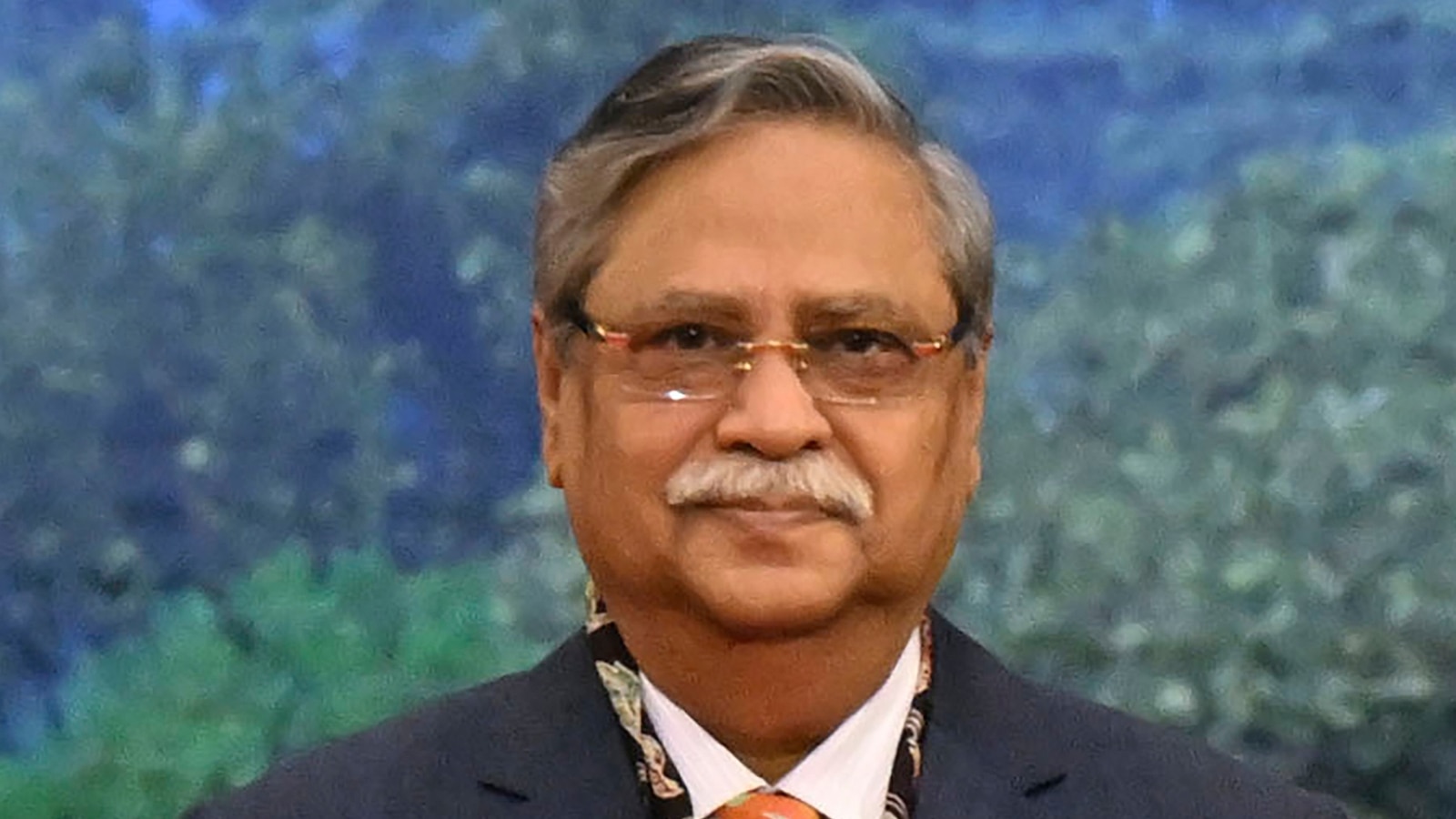
Bangladesh's President Mohammed Shahabuddin, appointed during the rule of ousted Prime Minister Sheikh Hasina, resigned Friday halfway through his term, ending a three-year tenure that had become one of the most contested questions in the country's politics.
Shahabuddin submitted his resignation to Parliament Speaker Hafiz Uddin Ahmad, citing medical reasons. The speaker told a news briefing later Friday that he had accepted it. But local media reported that Shahabuddin resigned under pressure from the current government over an allegation that he spoke to Hasina by phone while in London for medical treatment in May. The Associated Press said it could not independently confirm the claim.
Sworn in as Bangladesh's 22nd president on April 24, 2023, Shahabuddin was widely regarded as a trusted follower of Hasina, whose 15-year rule collapsed in August 2024 when she stepped down and fled to India amid a mass anti-government uprising. After her ouster, the student group that led the revolt branded Shahabuddin a collaborator and took to the streets demanding his resignation and arrest. The National Citizen Party, formed by those student leaders, campaigned against him for months and later joined an election alliance led by Bangladesh Jamaat-e-Islami, the country's largest Islamist party.
His departure removes the last senior official from the Hasina era still holding a constitutional office. A new government headed by Tarique Rahman — son of former Prime Minister Khaleda Zia and Hasina's archrival — took power in February with a landslide victory, ending 18 months of interim rule under Nobel Peace Prize laureate Muhammad Yunus, whose administration Hasina fiercely criticized from exile.
Under Bangladesh's constitution, the speaker of Parliament automatically assumes the presidency on an interim basis when the office falls vacant, until lawmakers elect a successor. The president is primarily a figurehead and head of state, but the post carries real weight during a political crisis and makes its holder commander-in-chief of the armed forces — powers that matter in a country that has cycled through military interventions and contested transfers of power for five decades.
The resignation also narrows Hasina's options. In November, a special tribunal sentenced her to death in absentia for ordering the crackdown on the 2024 uprising, in which the United Nations says nearly 1,400 people were killed. Hasina, who has denied the charges from exile, has told mainly Indian media that she intends to return to Bangladesh in December and surrender in court. India has refused repeated requests to hand her over, first from the Yunus-led interim government and now from Rahman's administration. Hasina won a fourth consecutive term in a January 2024 election boycotted by major opposition parties, including Rahman's Bangladesh Nationalist Party and Jamaat-e-Islami — the vote that set the stage for everything that followed.