Yemen's Houthis Declare Naval Blockade of Saudi Arabia, Threatening a Quarter of the World's Oil
The Iran-aligned group said it would bar Saudi ships from the Bab el-Mandeb Strait "an eye for an eye," opening a dangerous new front in the U.S.-Iran war and widening the threat to global energy supplies.

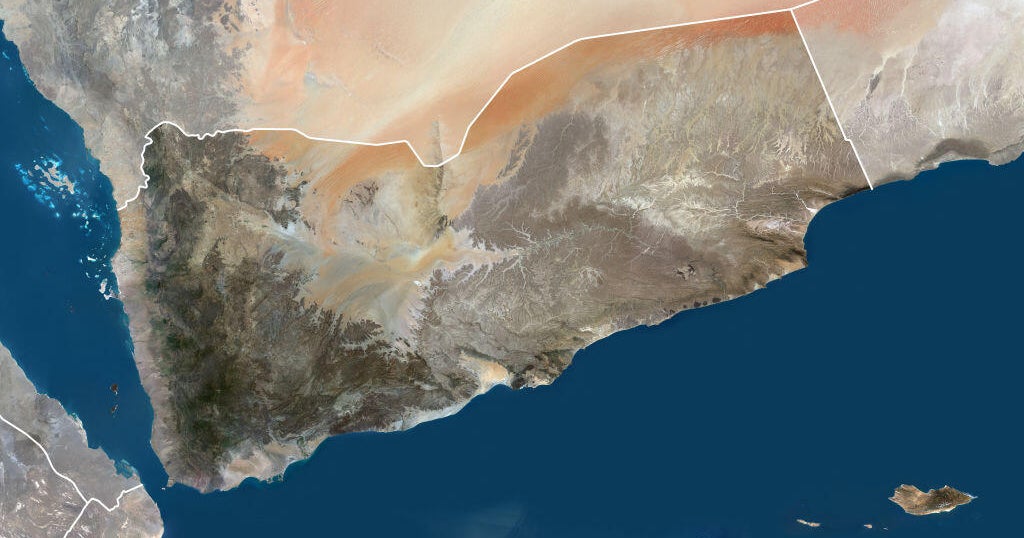
Yemen's Iran-aligned Houthi movement declared a naval blockade of Saudi Arabia on Monday, vowing to bar Saudi-flagged ships from the strategic Bab el-Mandeb Strait and opening a perilous new front in the widening war between the United States and Iran.
The ban takes effect immediately, Houthi military spokesperson Yahya Saree announced, describing it as retaliation "based on the equation of an eye for an eye." Houthi leaders accused Riyadh of imposing "an unjust and oppressive siege" on Yemen for nearly 12 years, a reference to the Saudi-led military campaign that began in 2015.
The Bab el-Mandeb, a roughly 20-mile-wide chokepoint linking the Red Sea and the Gulf of Aden, is one of the world's most important shipping lanes. With the Strait of Hormuz already effectively closed since the U.S.-Israeli war on Iran began in late February, analysts warn that shutting Bab el-Mandeb as well could imperil as much as 25 percent of the world's oil and gas supply and choke a vital artery for global trade.
Saudi Arabia's crude exports rose to a record 4.19 million barrels a day last month, and much of that volume passes through waters the Houthis have repeatedly targeted. The group has attacked commercial vessels in the Red Sea for more than two years, and shipping companies fear a formal blockade will force costly reroutes around the southern tip of Africa, adding days to voyages and pushing up insurance costs and fuel prices worldwide.
The declaration deepens an already dangerous escalation. Washington has been bombing Iran for more than a week, three U.S. service members were killed over the weekend, and oil markets have grown jittery over the prospect of a prolonged Gulf war. Regional governments and international shippers were scrambling on Monday to assess whether the Houthis have the reach to enforce the ban and how Saudi Arabia and its Western partners might respond to yet another threat against maritime commerce in the world's most volatile waters.
The Houthis have proven a resilient adversary. Despite years of Saudi airstrikes and a U.S.-led naval coalition assembled to protect Red Sea shipping, the group has continued to launch drones and missiles at vessels, at times striking tankers and forcing temporary suspensions of traffic. Maritime security analysts note that even the threat of attack is often enough to disrupt commerce, as insurers raise premiums and shipping lines opt for the far longer route around Africa. A sustained blockade of Saudi cargo, layered on top of the closure of Hormuz, would represent one of the most serious threats to global energy flows in decades, and it puts fresh pressure on Washington to widen a war it is already struggling to contain.