The Houthis Took Mokha and Now Sit on Almost All of Yemen's Red Sea Coast
Government forces called their retreat a 'tactical withdrawal.' Bab al-Mandeb is 18 miles wide at its narrowest, and one analyst says artillery alone could close it.

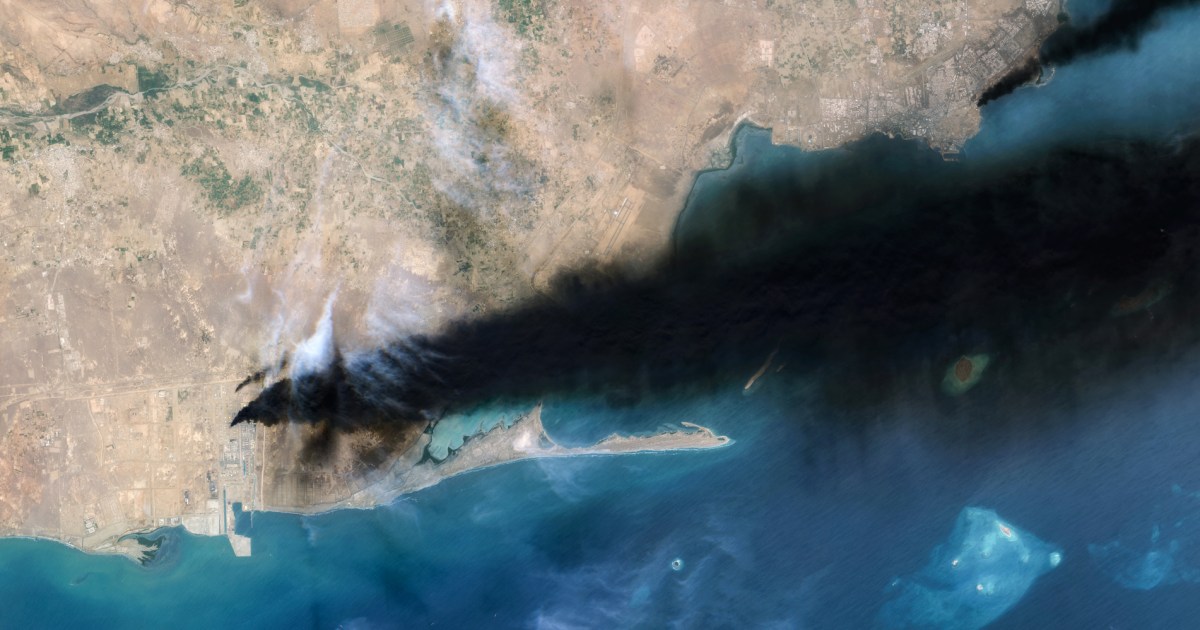
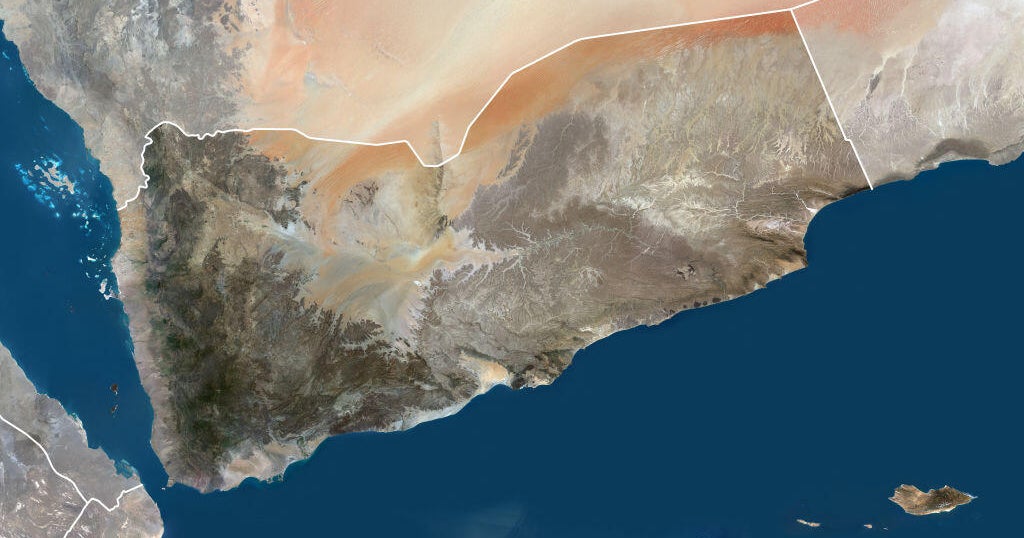
Yemen's Houthis captured the Red Sea port city of Mokha on Thursday and pushed south toward the Bab al-Mandeb strait, giving the Iran-aligned group effective control of nearly the entire Yemeni coastline along one of the world's most important shipping lanes.
Forces loyal to Yemen's internationally recognized government withdrew as the Houthis entered the city, according to sources who spoke to Al Jazeera's Yemen correspondent, Yousef Mawry, and to three Yemeni government sources who confirmed the fall of the city to Reuters. "The Yemeni government tried to put up a fight; they called reinforcements … but the overwhelming military pressure of the Ansar Allah Houthis eventually [led to them taking] over the port and the city itself," Mawry said. Houthi units then moved toward Dhubab, the last significant town before the strait.
Tariq Saleh, deputy head of the Presidential Leadership Council, ordered government forces on the western coast to regroup and described the retreat as a "tactical withdrawal." Council head Rashad al-Alimi was blunter about what it means. Developments at Mokha and Bab al-Mandeb "are not a purely Yemeni affair," he said, but a regional and international problem tied to global trade, and he called on the international community to intervene. "Bab al-Mandeb cannot become another Strait of Hormuz," al-Alimi said. "Yemen cannot become another Iran." Foreign Minister Afrah al-Zouba sent a separate message to the U.N. Security Council asking for a firm international position.
The geography explains the alarm. The Strait of Hormuz is about 21 miles across at its narrowest point; Bab al-Mandeb is about 18. "This means they could control it just with artillery; they wouldn't need to even use missiles or drones to attack ships," said Wolfgang Pusztai, a defense analyst, who called the capture a "very significant blow" because it also lets the Houthis cut the road to Taiz. Every container ship and tanker moving between Asia and Europe through the Suez Canal has to pass through that gap.
Mokha itself had been under sustained attack since early August, when more than 25 missiles hit the city in a matter of days and forced the port to stop operating. Saudi foreign policy analyst Abdulaziz Alghashian called the speed of the advance "concerning; it's disappointing, but maybe not overly surprising," and argued it reflected less the strength of the Houthis than "a discombobulation of the anti-Houthi forces." He expects Saudi Arabia to answer tit-for-tat rather than commit to a long campaign. The Houthi-run Saba news agency said Saudi forces carried out 40 more air strikes on Thursday across Taiz, Hodeidah, al-Jawf and Marib.
The Houthis are presenting the offensive as a limited, national one. Spokesman Mohammed Abdul Salam called it a "national operation" to assert Yemeni sovereignty, said the group has no further territorial ambitions and that a "just and honourable peace" remains its strategic choice. He also said navigation and international trade through the Red Sea and Bab al-Mandeb "remain safe and uninterrupted" — while Saba confirmed the group's ban on Saudi ships stays in force. The Supreme Political Council in Sanaa said fighting on the western coast had stopped after government reinforcements were expelled, and asked countries concerned with maritime security to press Riyadh not to send more troops to Mokha.
Yemen's ambassador to Qatar, Rajeh Badi, accused Iran of restarting a war that had been largely quiet for five years in order to tighten its grip on Red Sea shipping, saying the relationship between Tehran and the Houthis is "no longer a secret" and placing the group alongside Hezbollah in Lebanon and the Popular Mobilisation Forces in Iraq. Pusztai offered a more careful reading: Iran has "a huge influence on the Houthis," he said, but "the Houthis are not only proxies of Iran. They are fighting also their own war."
Field commanders in Taiz and on the western coast have pledged to retake Mokha, according to Al Jazeera's Yasser Hassan, reporting from Taiz. Meanwhile the diplomatic machinery is grinding into gear elsewhere: Pakistan has warned Iran to restrain the group and said the Mecca Defence Alliance — the mutual defense pact it finalized with Saudi Arabia and Turkey last month — could become operational if Houthi attacks on Saudi territory continue.