A Houthi Drone Set Aramco's Jazan Refinery on Fire Two Days After Saudi Arabia Signed a Pact in Mecca
The strike hit a plant that processes 400,000 barrels of crude a day. A separate Houthi barrage on the Yemeni port of Mocha killed seven people.
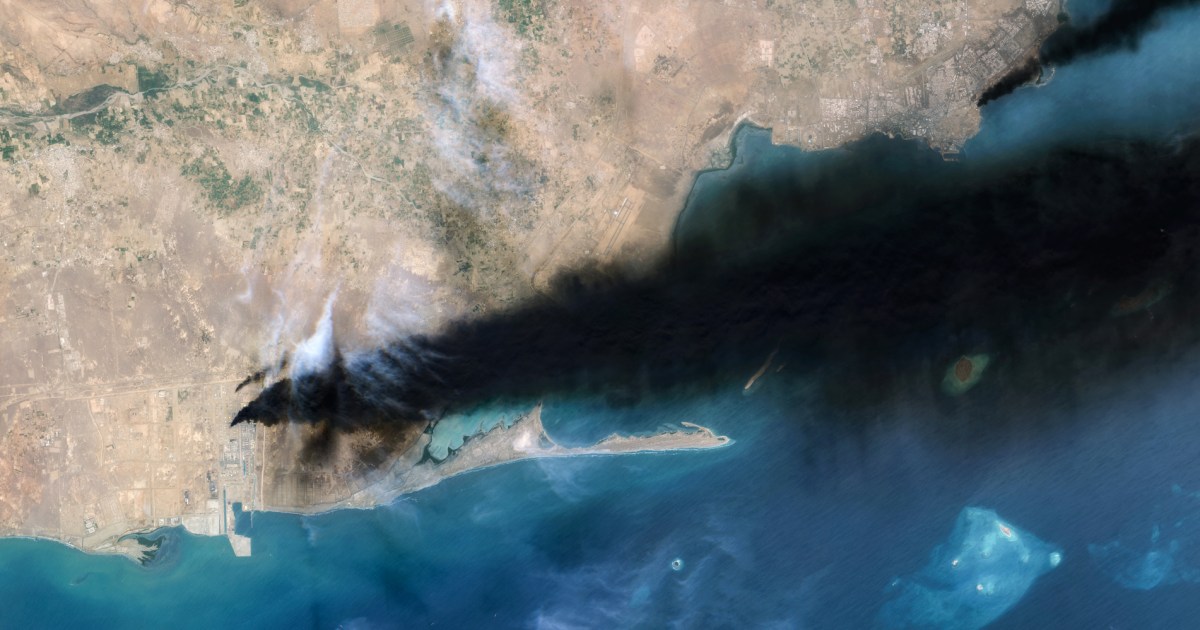
Yemen's Iran-aligned Houthis attacked Saudi Aramco's Jazan refinery on Sunday, striking one of the kingdom's major Red Sea energy installations two days after Saudi Arabia signed a mutual defense pact with Turkey and Pakistan. The Saudi Energy Ministry said a fire broke out at the facility and was later extinguished with no injuries, and that authorities were dealing with the incident. It did not give a cause. The refinery, in southwestern Saudi Arabia, processes 400,000 barrels of crude oil per day.
Houthi military spokesperson Yahya Saree said on X that the group used a drone to target the refinery. The Houthis have struck Aramco sites at Jazan before, and have also hit Yanbu on the Red Sea coast. Last month the group declared a naval blockade against Saudi Arabia in the Red Sea, citing what it called a Saudi siege — an allegation Riyadh denies.
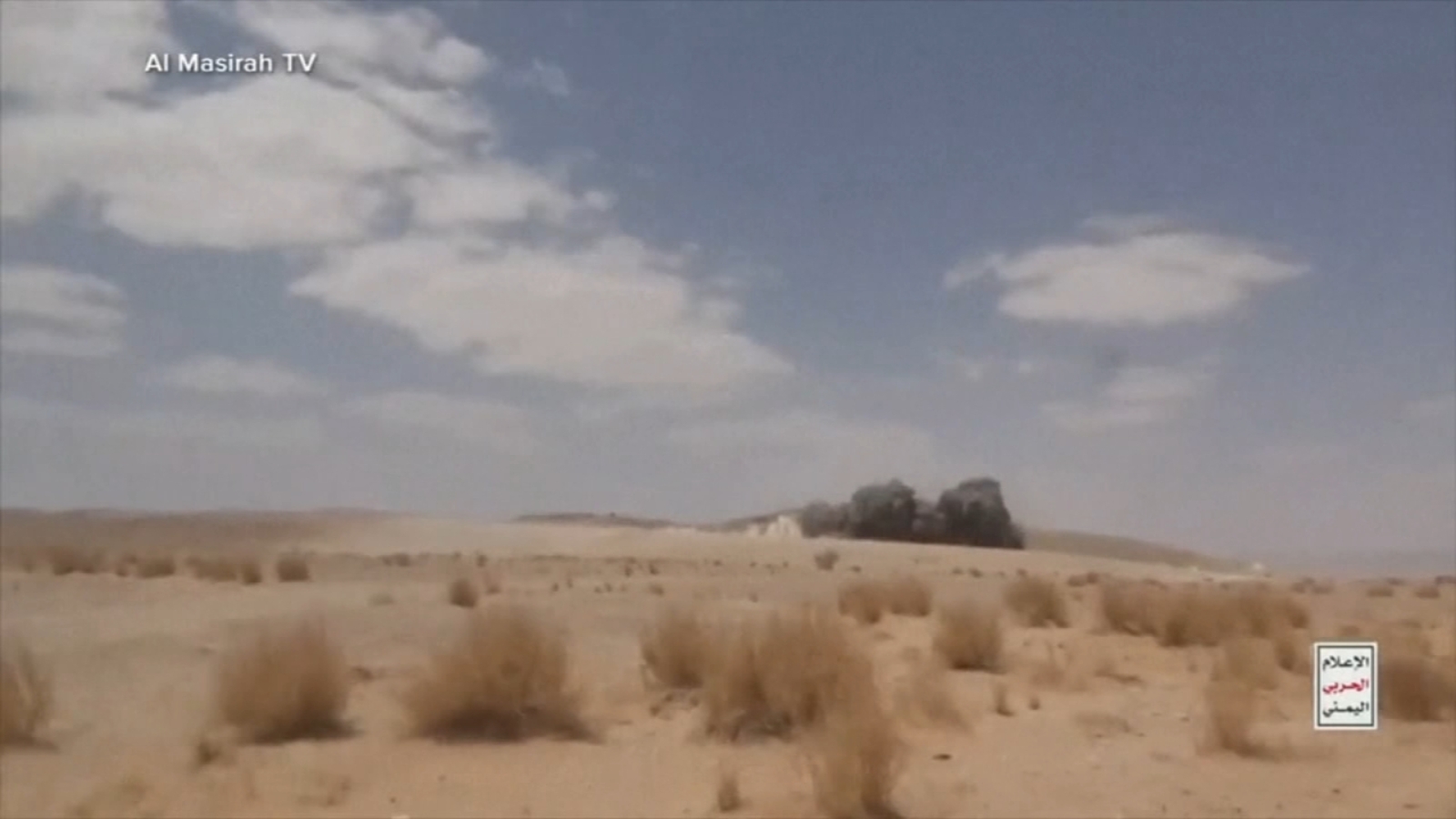
In a separate statement, Saree said the Houthis carried out missile and drone strikes on Mocha, the historic Yemeni Red Sea port controlled by the internationally recognized, Riyadh-backed government based in Aden. Three Yemeni government sources told Reuters that air defenses were engaging drones launched toward the port's commercial quay and storage areas; they did not specify whether those were Saudi air defenses. Saree said the strikes targeted Saudi troops and a weapons arsenal in the area. There was no Saudi comment on the attacks inside Yemen.
Yemen's military spokesperson said the attack on the port killed seven people. The Yemeni transportation ministry said the strikes caused severe damage to the port's infrastructure. "This marks yet another assault on a vital civilian facility that serves citizens and contributes to boosting commercial and maritime activity in the Red Sea," the ministry said.
Iran and its allied Shia armed groups have been firing on Saudi Arabia and other Gulf states and blockading their energy shipments since the United States and Israel attacked Iran on Feb. 28, a major escalation after years of regional tumult. Talks between Washington and Tehran have dragged on in pursuit of a peace deal, with access to the Strait of Hormuz — the single most important conduit for global energy supplies — proving the major stumbling block. Houthi attacks in the Red Sea have compounded the disruption to world markets.
The timing of Sunday's strike put the new alliance in an awkward spot almost immediately. The pact Saudi Arabia signed Friday with Turkey and Pakistan, both Sunni Muslim U.S. allies, is intended to strengthen collective deterrence and stipulates that an armed attack against any of the three would be regarded as an attack on all. It was not clear whether or how either Pakistan or Turkey would join in any Saudi response. Turkish Foreign Minister Hakan Fidan said Friday, as the alliance was announced, that it was not directed against Iran or any other country but served as a general pledge to support the three allies' security, and that the partners would decide through consultations what degree, form and format of support they would ask for in the event of an attack on any of them.