Houthi Missile Strike Rips Into Aramco Tower in Riyadh's Financial District
Saudi officials call it an 'attempted attack' with minor damage, but witnesses saw shattered glass across several floors of the 34-storey skyscraper, a sharp escalation in the renewed Yemen war.

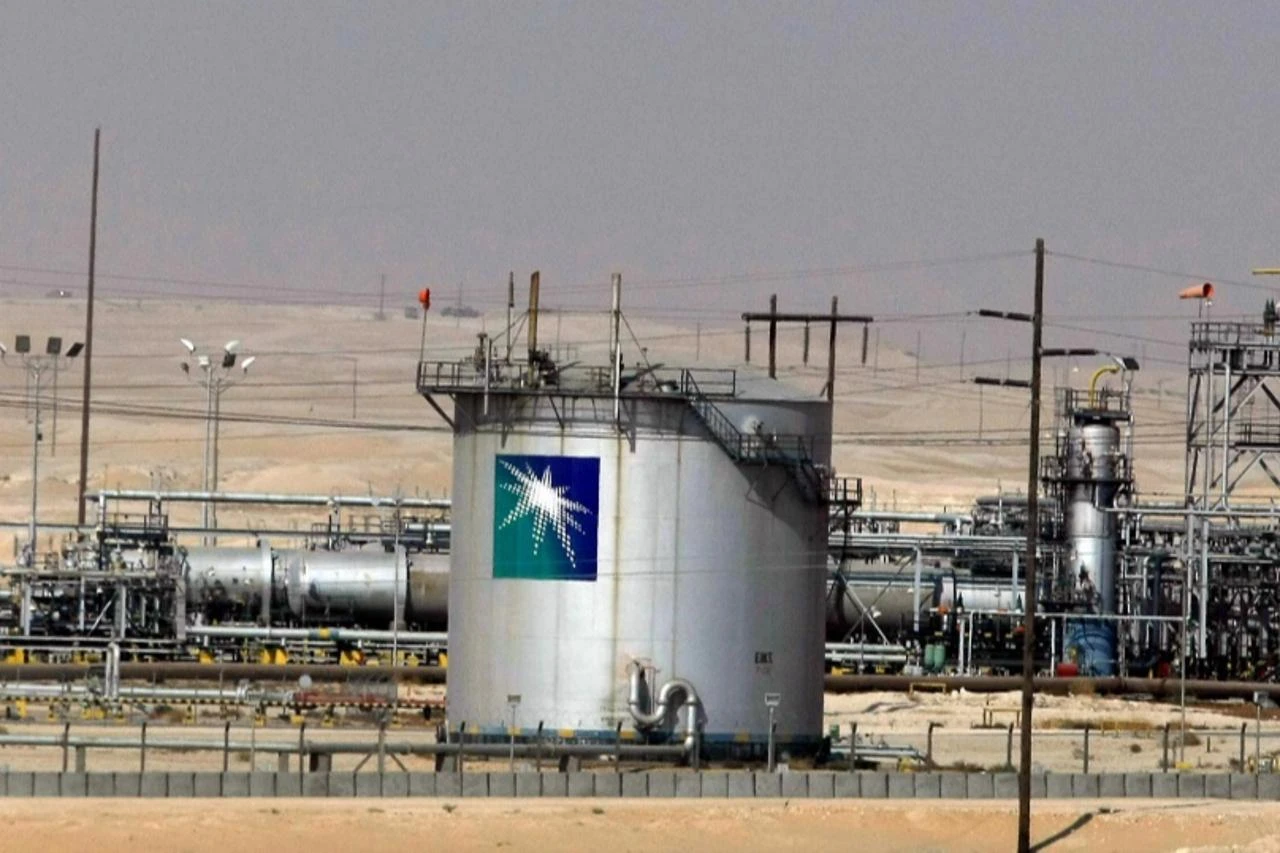
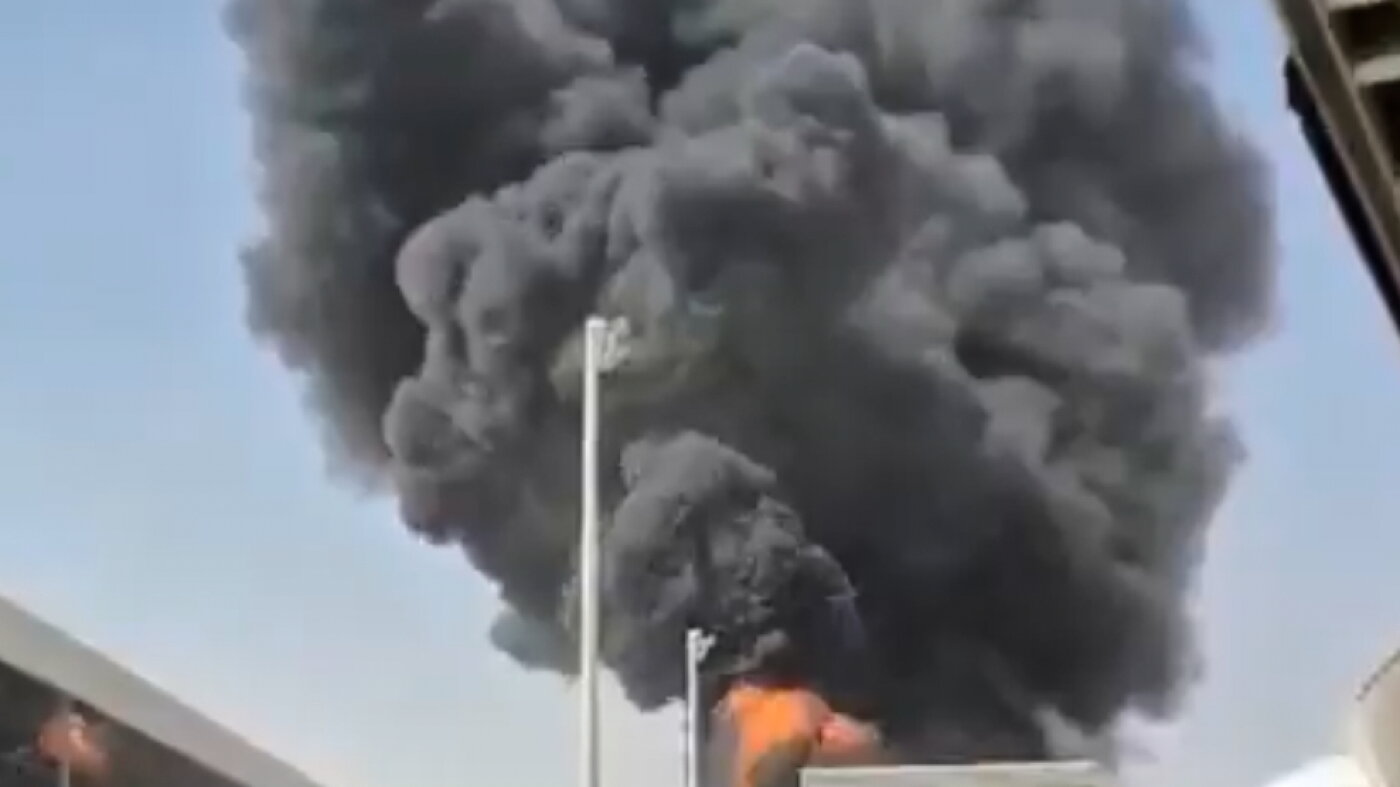
Yemen's Iran-backed Houthi movement struck a skyscraper owned by oil giant Saudi Aramco in the heart of Riyadh on Sunday, shattering glass across multiple floors of a tower in the capital's King Abdullah Financial District and pushing the renewed Yemen war deeper into Saudi Arabia's showpiece business center.
Saudi Arabia's energy ministry described the incident as an "attempted attack" on an administrative building belonging to Aramco. It said falling shrapnel caused minor damage and that no injuries or deaths were reported. Witnesses and video told a more dramatic story. "Aramco tower in KAFD has been targeted, that's the sure thing," an eyewitness told Agence France-Presse, and two others confirmed damage. One witness said multiple floors appeared to have sustained damage, with glass shattered and part of the facade torn away. Footage reviewed by news outlets showed a large hole across several floors of the 34-storey building. AFP said it could not confirm the extent of the damage.
The Houthis claimed the strike. Military spokesman Yahya Saree said the group carried out four operations using ballistic and cruise missiles and drones, with targets that included the financial district, Riyadh's international airport, Aramco oil storage tanks and the eastern city of Abqaiq. The Saudi-led coalition said air defenses destroyed two ballistic missiles fired toward Riyadh, and that its forces later destroyed two ballistic missile launchers in Yemen's northern Saada province that it said were used in Sunday's attack.
The district is the most polished symbol of Saudi Arabia's economic transformation. Roughly 100 buildings house the Saudi stock exchange, the headquarters of the sovereign Public Investment Fund and offices of international firms such as Goldman Sachs, alongside residential buildings and a busy metro station. Targeting it during the morning rush hour would mark a major escalation, AFP noted. Andreas Krieg of the London-based consultancy MENA Analytica said the attack hits "the credibility of Vision 2030 as much as Aramco itself," adding that it "raises the political costs of Saudi Arabia's Yemen campaign" and strengthens those demanding military escalation.
The strike came hours after Saudi Arabia's education ministry announced that in-person schooling would resume in Riyadh following weeks of remote learning prompted by an earlier wave of attacks. A 2022 truce that had paused fighting in Yemen collapsed in July, and Saudi Arabia has since traded blows with the Houthis, who have hit Saudi airports, energy infrastructure and military sites. Aramco facilities have been repeatedly targeted in recent months, including tankers, refineries, storage areas and the company's headquarters.
The war is also exacting a heavy toll inside Yemen. The Houthi-run health ministry said the death toll from a Saudi airstrike in Sanaa rose to 33, including 13 children, with 39 others injured. Separately, at least 30 people were killed when a missile hit a market in the southwestern province of Taiz on Friday; Yemen's Saudi-backed government blamed the Houthis, while a Houthi-linked channel said Saudi warplanes were responsible. The Yemen Data Project counted more than 430 Saudi bombings in Yemen in October alone, among the most severe months since 2017.
Saudi Arabia is also coping with the fallout of the wider Middle East war that began in February, when the United States and Israel attacked Iran. Iran's grip on the Strait of Hormuz and the Houthi attacks on tankers in the Red Sea have squeezed both of the kingdom's main export routes.