Congo's Ebola Outbreak Passes 11,000 Cases and 5,387 Deaths, With No Vaccine for This Strain
The Bundibugyo virus has reached eight of Congo's 26 provinces and spread to Uganda, Kenya and Nigeria, with fighting in Ituri and North Kivu blocking health workers.
Congo's Ebola outbreak has passed 11,000 cases, the government said Wednesday, a stark figure that underscores how hard the country is struggling to contain the disease.
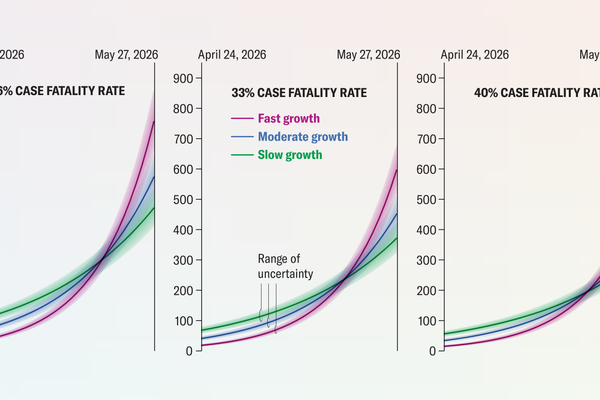
According to the latest health ministry data, 11,042 people have been infected and 5,387 have died. That means nearly half of the people infected have not survived, in what is already the deadliest outbreak in Congo's history. The Associated Press reported the figures from Bunia, in the country's east.
The outbreak was declared in mid-May. Since then, Congolese authorities have been hampered by armed conflict, a health system in crisis, poor roads, and violence from residents driven by mistrust and misinformation. Health facilities and medical workers have been targeted by people in communities skeptical of the virus, and there have been several attacks on health workers.
The virus behind this outbreak is Bundibugyo, and it has no known vaccine or treatment. That sets it apart from the Zaire strain that caused earlier epidemics, for which vaccines exist. The disease has now spread to eight of the country's 26 provinces and has crossed borders, appearing in Uganda, Kenya and Nigeria.
A resurgence of violence in the two main hotspots, Ituri and North Kivu provinces, has alarmed health authorities. They are calling for a halt to the fighting so health workers can reach the sick without being attacked or blocked. Experts have urged more effort to slow and contain the spread inside Congo.
The scale of the outbreak is hard to overstate when set against history. Dozens of Ebola outbreaks have been recorded since the disease was first identified in 1976. The largest and deadliest was in West Africa from 2014 to 2016, which caused 28,000 infections and more than 11,000 deaths.
The current outbreak already ranks second. According to the AP, it has produced at least three times the number of cases and deaths in the time since it was declared compared with the West Africa epidemic over the same stretch. Planck Standard has tracked the outbreak since July, when deaths were in the hundreds, and the count has climbed steadily through the autumn as contact tracing failed to keep pace.
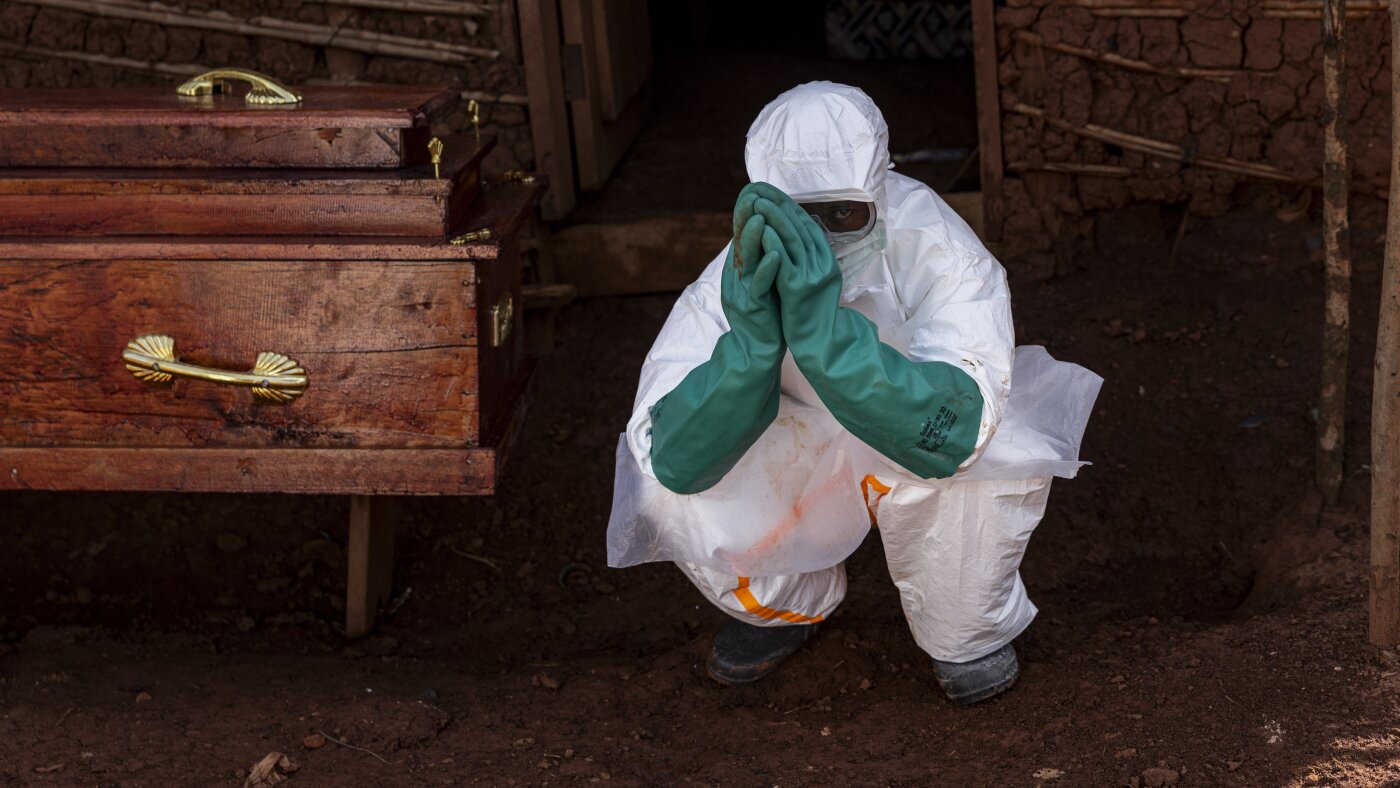
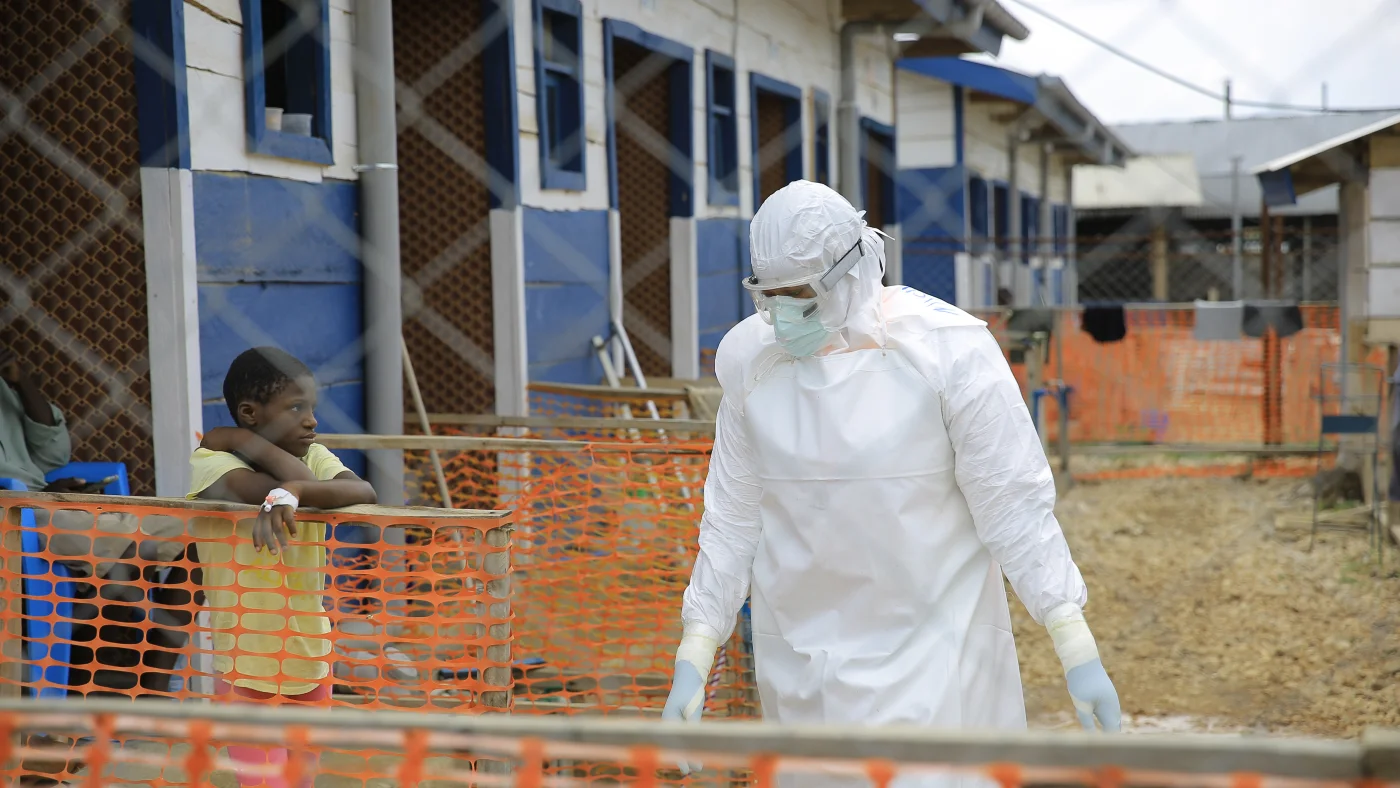
Without a vaccine, responders are left with the tools used in the earliest Ebola outbreaks: isolating patients, tracing contacts, safe burials and protective equipment for clinics. Each of those depends on access and on community trust, and both are in short supply in the conflict zones where the virus is spreading fastest.
Health officials have not said when they expect the outbreak to peak. For now, the ministry's numbers show a disease that is still expanding across a country where roughly a third of the provinces are affected, and in neighboring nations where cases have already been confirmed.