Congo's Ebola Outbreak Passed 7,000 Confirmed Cases and 3,475 Deaths. It Is the Fastest-Growing Ebola Epidemic Ever Recorded, and There Is No Vaccine for This Strain.
The Bundibugyo virus has reached 62 of 167 health zones in seven provinces four months after it was declared. Africa CDC says a few hot spots in Ituri are finally dipping.
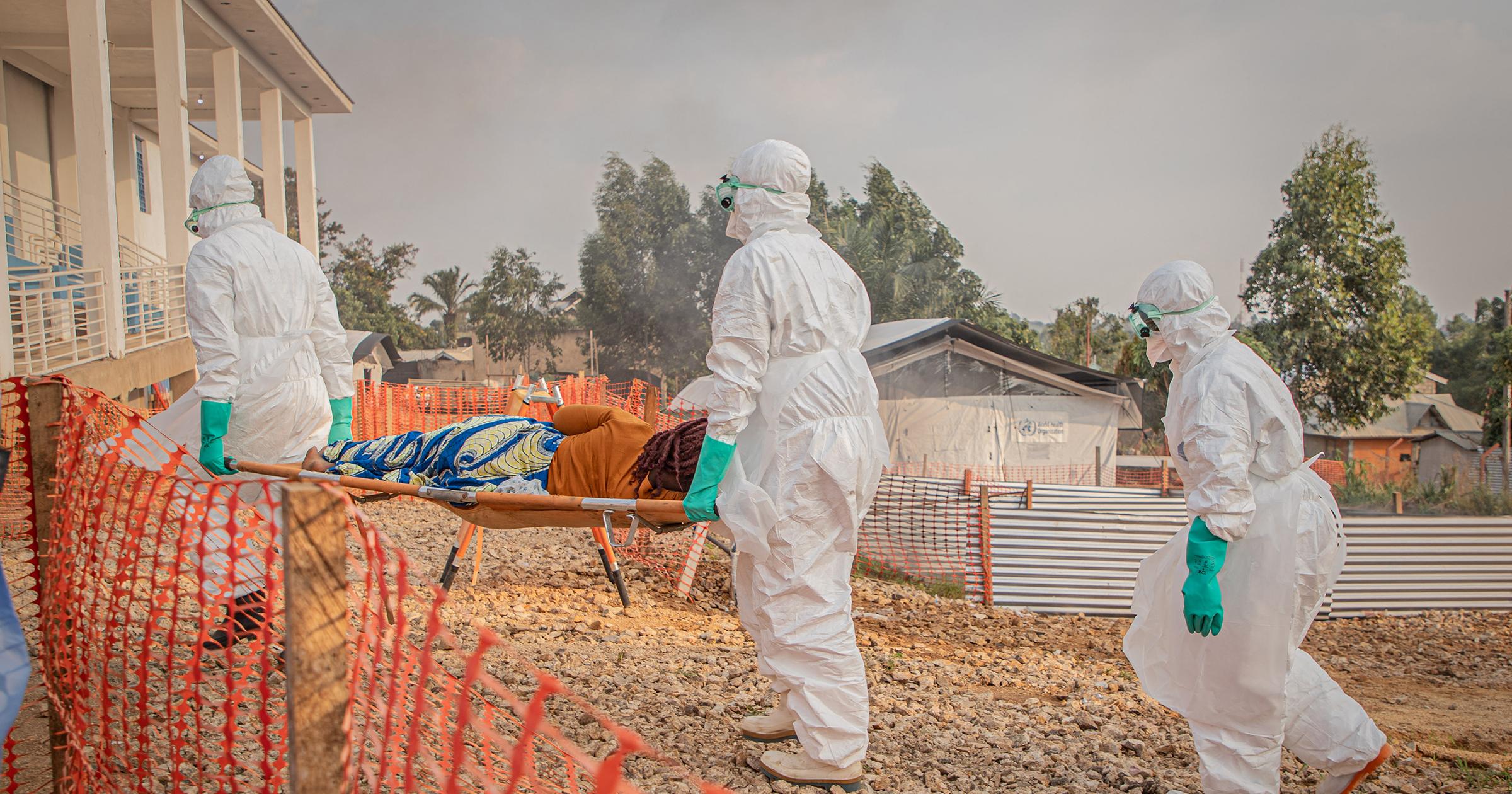
The Ebola epidemic in the Democratic Republic of Congo has crossed 7,000 confirmed cases, making it the second-largest Ebola outbreak in history and by far the fastest-growing. Figures from the National Institute of Health in Kinshasa put the count at 7,022 confirmed cases and 3,398 deaths late last week, with 837 people in isolation or treatment. The European Centre for Disease Prevention and Control's latest update, drawing on data through Sept. 12, lists 7,200 confirmed cases, 3,475 deaths and 923 patients hospitalized.
The outbreak was formally declared by Congo's health ministry on May 15 in Ituri province in the northeast, and the World Health Organization declared it a public health emergency of international concern the next day. It is caused by the Bundibugyo species of the virus, not the Zaire species that the licensed Ervebo vaccine and approved antibody treatments were designed for. That has left responders with supportive care and containment as their main tools. Investigators believe the virus circulated undetected for months before it was identified, and officials say the true case count is likely well above the confirmed figure.
The virus has since spread to 62 of 167 health zones across seven provinces, according to the ECDC, including remote eastern and northern areas where armed conflict complicates contact tracing and treatment. By early August the outbreak had become the fastest-growing on record. Deaths passed 3,000 at the start of September. Uganda recorded 20 linked cases between May and June and was declared free of the outbreak on Aug. 25 after 42 days without a new confirmed case. Two Americans infected in Congo were evacuated to Germany for treatment earlier this year, and a French health worker tested positive after returning home in June.
There are early signs of a turn. Yap Boum, an infectious disease specialist with the Africa Centres for Disease Control and Prevention, said "a slight decline has been observed in several hot spots in Ituri Province," the region with the highest concentration of cases. The case fatality rate has also edged down, which officials attribute in part to people seeking care earlier. Africa CDC says it remains optimistic the trajectory can be reversed, though mortality among patients who never reach a treatment center remains very high.
The benchmark everyone is watching is the 2014 to 2016 West Africa epidemic, which killed more than 11,000 people and remains the largest on record. WHO has warned that if the current trajectory in Congo is not broken, this outbreak could exceed it. Ebola spreads through direct contact with the bodily fluids of an infected person and causes fever, diarrhea and internal and external bleeding. The lack of a Bundibugyo-specific vaccine means ring vaccination, the strategy that helped end past Zaire-strain outbreaks in Congo, is not available this time.
Originally reported by The Spokesman-Review (AP).