Trump Weighs Iran Deal Against Post-Midterm Strikes as Vance Letter Reaches Tehran
Qatari mediators have handed Iran a new draft peace deal, and Tehran's answer is due by Saturday. Washington is preparing a brief, intense campaign if diplomacy fails after the Nov. 3 election.
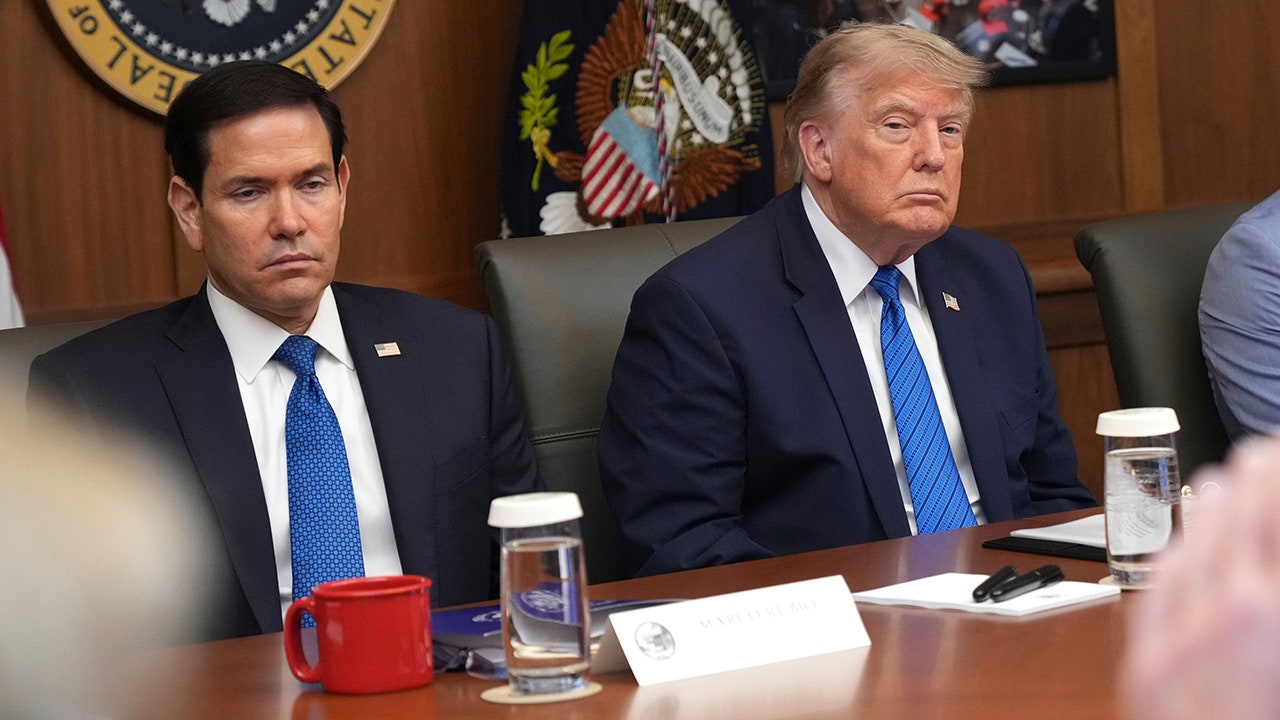
President Donald Trump is keeping two options open on Iran less than a week before the midterm elections: a negotiated deal, or a resumption of major military operations once voters have cast their ballots on Nov. 3.
Qatari mediators gave Tehran a new draft agreement to end the war on Sunday, according to Reuters, which cited an official briefed on the talks. A CBS News official said Iran's response was expected by the end of the week, most likely Saturday. A senior Iranian official denied that Qatar had presented a new proposal at all. He said the ideas Qatar brought were "unacceptable" and that Tehran would show no flexibility on its nuclear program.
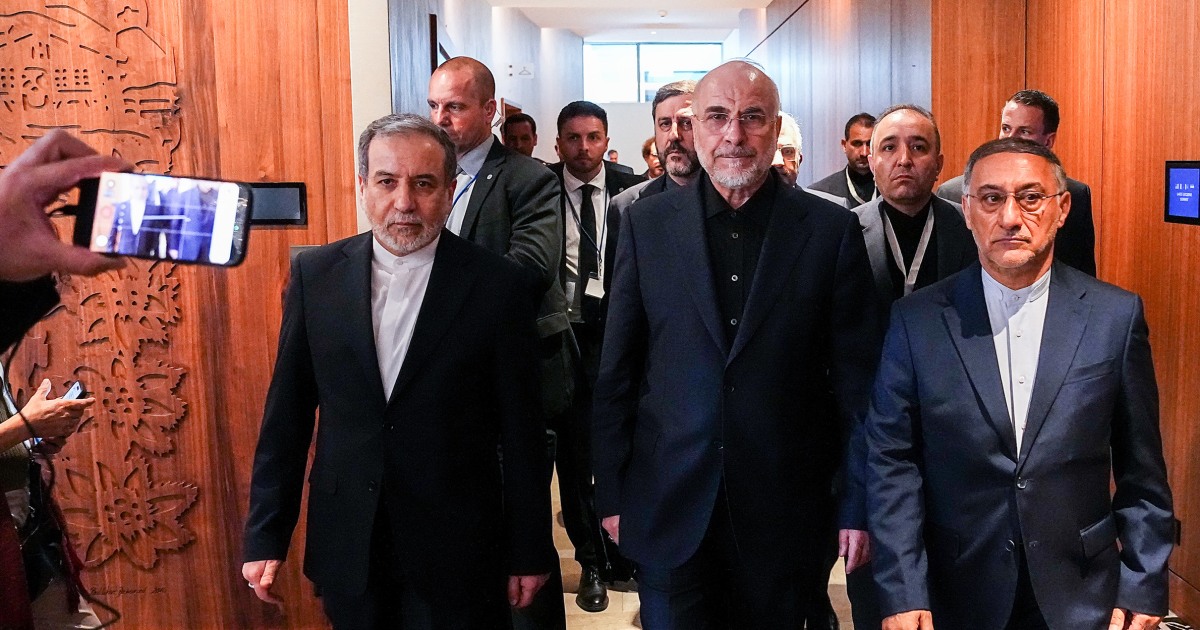
Foreign Minister Abbas Araghchi struck a softer public tone. He said Iran "continues to give diplomacy a chance to succeed" and is reviewing ideas with the mediators. He pointed to Iran's "7-Day Plan," which Tehran presented to the United States after the United Nations General Assembly in September and which Trump rejected. Tasnim, a news outlet close to the Revolutionary Guards, said Iran would not drop its core conditions: an end to the U.S. blockade of Iranian ports, relief from sanctions, and the release of frozen assets held overseas.
The Vance letter adds a second channel. Vice President JD Vance wrote to Mohsen Rezaei, the secretary of Iran's Supreme National Security Council, and the letter was delivered through Qatari mediators on Sunday. The New York Times reported that it proposed an early meeting with Vance leading the American team, with talks beginning as soon as next week in Qatar or Turkey. Axios reported that the letter told Tehran that talks aimed at preventing new U.S. strikes would have to cover Iran's nuclear program.
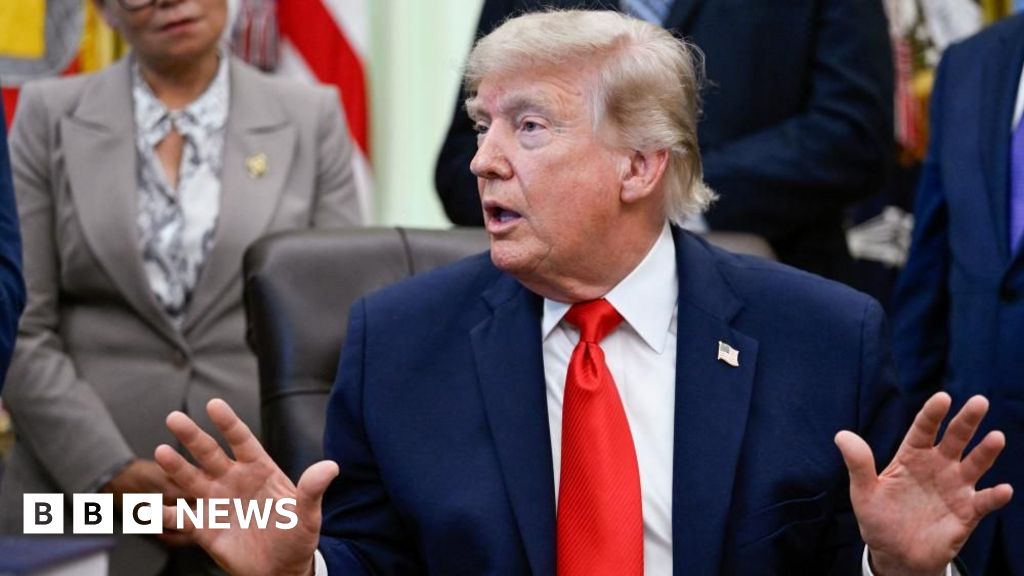
Trump has played down the outreach. He said he had not sought to renew peace talks and described Vance's letter as being about aid. "They need help with medical supplies and various things," he said. He has said repeatedly that he is still deciding whether to resume major military operations or make a deal after the midterms. An administration official told Semafor that negotiations over a temporary peace deal are continuing but that many roadblocks remain. The same official said the military could resume combat shortly after the election, needing only a "go order from the president," and that Trump is "the one most open" to escalating while still having reservations. Many people inside the administration are skeptical about restarting the fight.
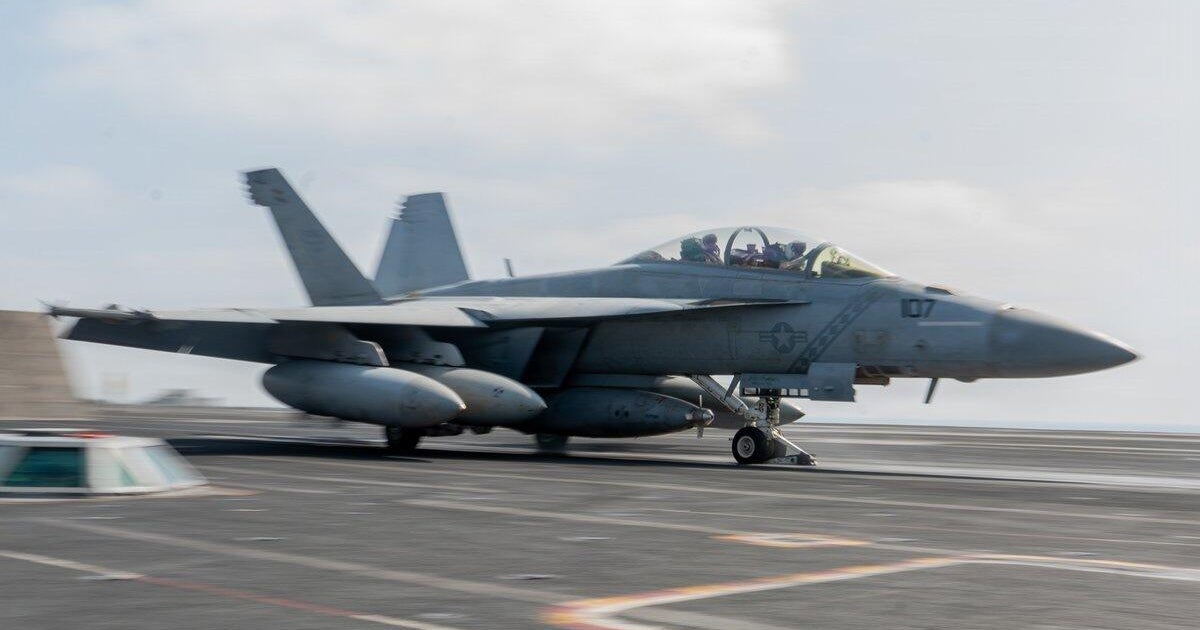
The Wall Street Journal reported that U.S. officials have told Gulf allies to prepare for a brief but intense campaign against Iran after the elections. Trump has also promised not to resume strikes before Nov. 3.
The blockade of Iranian ports, in place since earlier this year, remains the main U.S. pressure point. Reuters reported that Iran has used a network of roughly 5,000 military-linked agencies to move at least $2 billion in components past it since 2025. Meanwhile, Iran says several tankers have struck sea mines in the Strait of Hormuz, a sign of how fragile shipping through the waterway remains.
The war is also expensive. A CENTCOM estimate puts the cost at about $47 billion, with $29 billion of that going to replace munitions. The Congressional Budget Office estimated in September that the conflict could cost $2 billion to $3 billion a month. Higher fuel prices and energy bills have followed, and in the United Kingdom the Treasury announced a one-off £100 winter payment for lower- and middle-income households.
With early voting well underway across the country, the timing is awkward for the White House. A deal before Election Day looks unlikely given Iran's stated conditions, and Trump has ruled out strikes until the votes are counted. What happens after Tuesday is the open question.