Iran Says Tankers Struck Sea Mines in Strait of Hormuz as Tehran Rejects Dropping Ceasefire Terms
Iran's navy and the IRGC reported vessels disabled in waters it calls unsafe, and the U.K. navy confirmed a ship on fire. Tehran has not answered a letter from Vice President Vance.
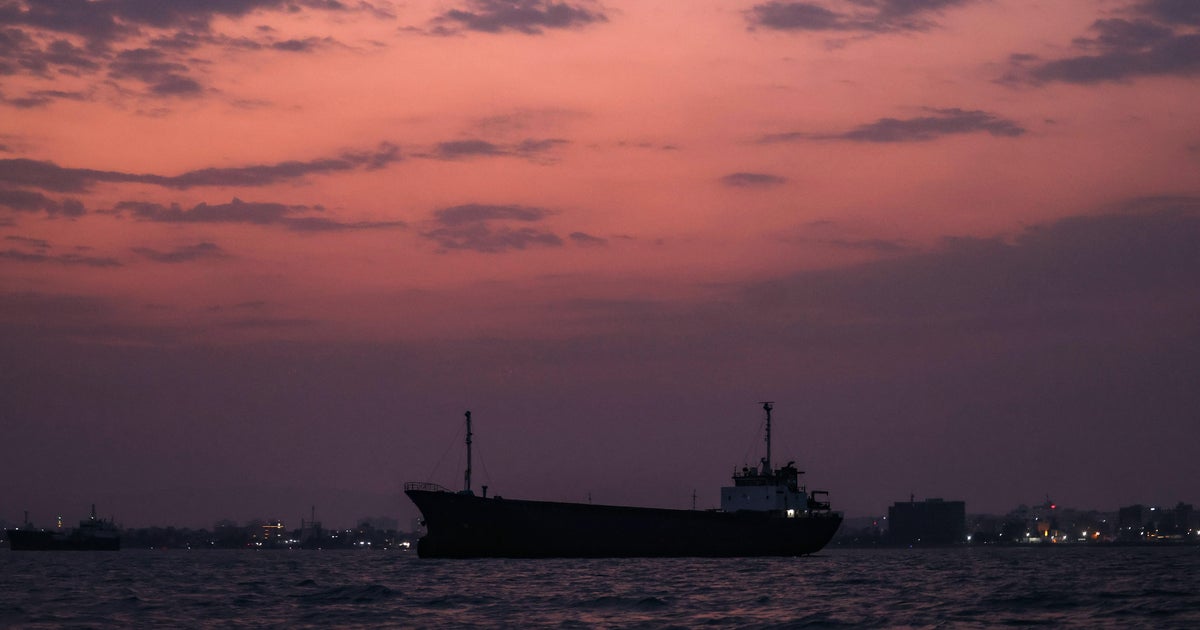
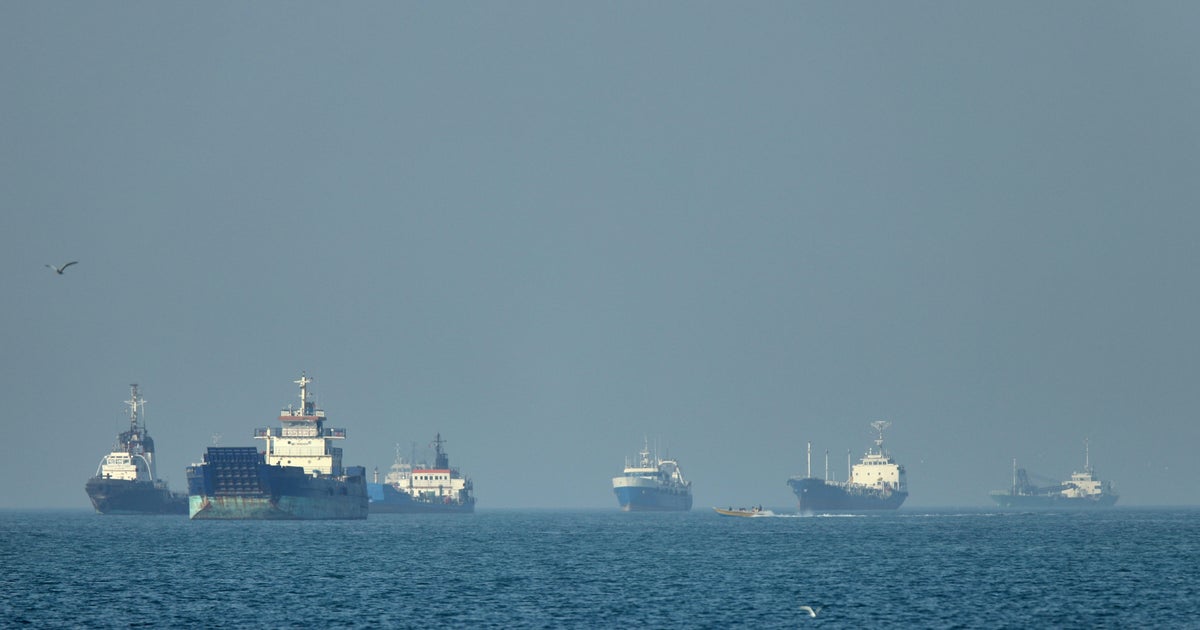
Iran said Thursday that tankers hit sea mines in and near the Strait of Hormuz, the latest blow to a waterway that Washington has repeatedly said is safe for shipping. Iran's navy said one tanker, which it accused of violating maritime restrictions, was damaged and caught fire after striking mines east of the strait, leaving it unable to continue sailing. The incident happened before noon, in an area Iran designated as prohibited and unsafe.
Earlier in the day the Islamic Revolutionary Guard Corps said three oil tankers had been disabled by mines in the strait. The U.K. navy's Maritime Trade Operations center confirmed one vessel in the area was seen on fire. CBS News could not independently verify the Iranian claims about the number of ships hit.
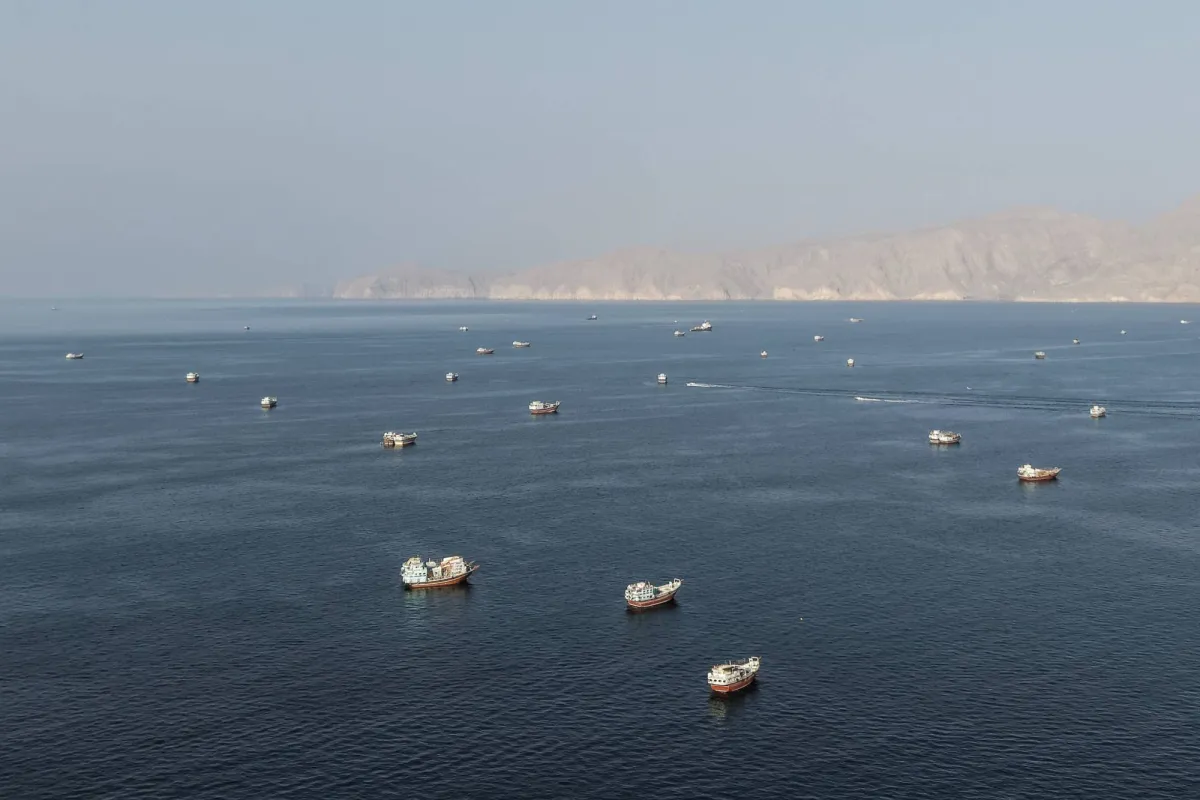
The U.S. has encouraged shippers to use a route in the south of the strait, while Iran insists vessels may only use northern routes it has authorized. Iran's navy warned that the strait is closed "to violating vessels that, without coordination and relying on the lies of the U.S. president, intend to pass through prohibited and unsafe areas." Those transits, it said, expose ships and crews to serious dangers.
That message cuts against what U.S. officials said in late August. President Trump and CENTCOM chief Adm. Brad Cooper declared the main shipping lanes demined. Cooper said the military had "meticulously and quietly" cleared mines laid by the IRGC and that "international shipping lanes are open, and momentum is building." On Thursday, IRGC spokesperson Brig. Gen. Abolfazl Mohebi demanded that CENTCOM "prove your claim of mine-clearing in the Strait of Hormuz with independent evidence, not a statement."
Diplomacy is not moving. Iran has not responded to a letter that Vice President JD Vance sent to Mohsen Rezaei, secretary of Iran's Supreme National Security Council, according to the semi-official Tasnim news agency. Tasnim said Tehran will not drop any core condition for a ceasefire, including lifting the American blockade of Iranian ports, easing sanctions and giving Iran access to frozen assets abroad. Several outlets reported the letter was an attempt to restart peace talks, but Trump said Wednesday it was a narrow effort to help get medical supplies into Iran.
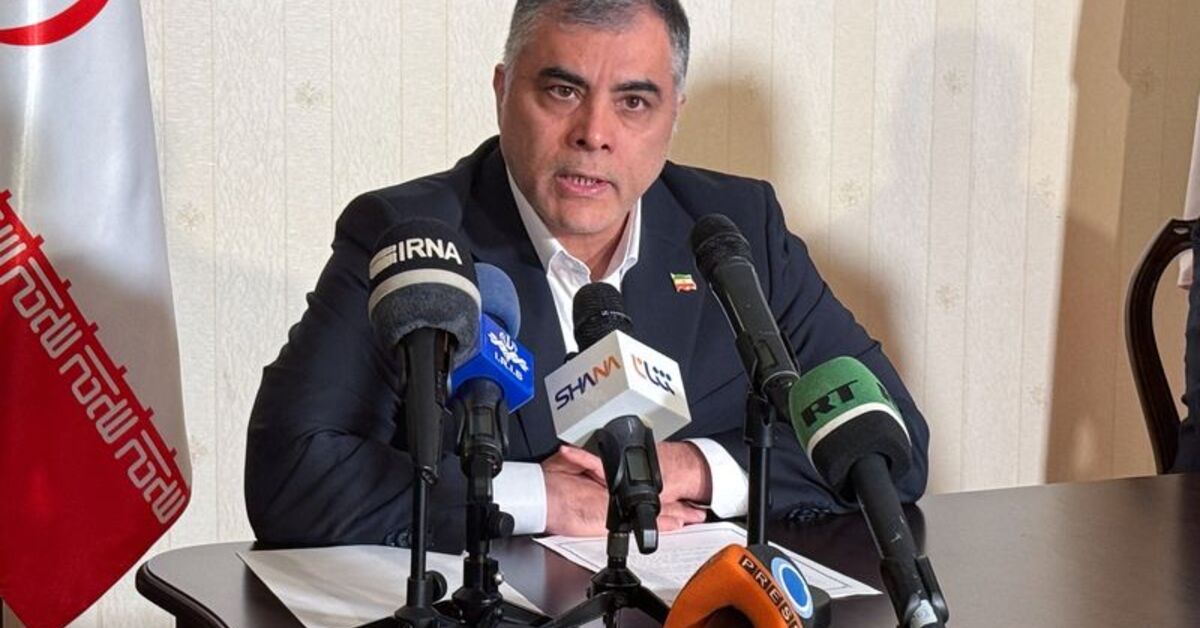
Iran also made claims about its military. Rear Adm. Jalil Moghadam told state news agency IRNA that the navy has carried out more than 20 operations against U.S. warships and about 300 against American interests during the war, and that it remains operational despite U.S. claims it has been destroyed.
A Reuters report said Iran has used some 5,000 front agencies to move hardware, explosives and trucks for its drone and missile programs past the blockade, bringing in at least $2 billion in components since 2025.
The war has spread beyond the Gulf. Fighting reignited in Yemen in July after a four-year truce, and the Houthis said Thursday a Saudi strike in Taiz province killed 12 people. For commercial shipping, the practical question is simple: whether any route through Hormuz can be trusted while each side says the other's claims are false.