Iran Says Hormuz Stays Shut Until U.S. Meets Seven Conditions From June Deal
Parliament Speaker Mohammad Baqer Qalibaf said Tehran could restore normal traffic within seven days if Washington meets terms drawn from the Islamabad memorandum.
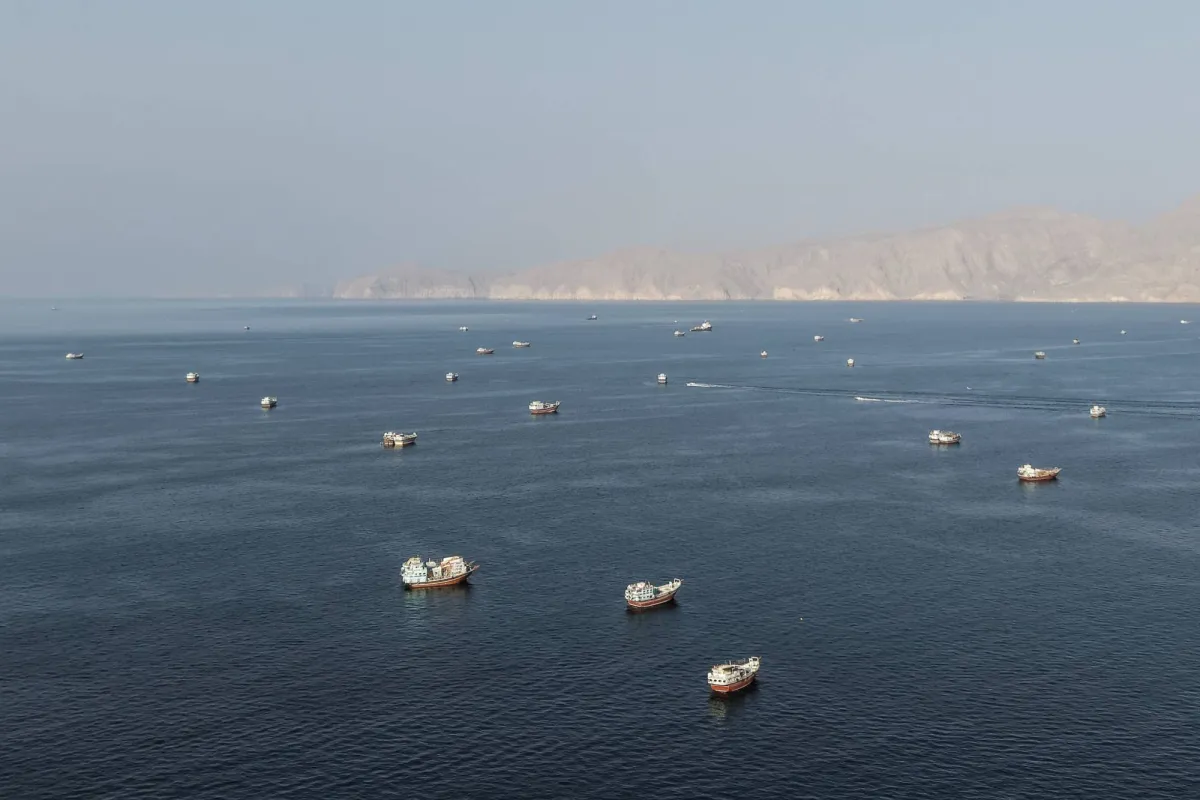
Iran said Sunday that the Strait of Hormuz will stay closed until the United States meets seven conditions, tying the reopening of the world's most important oil chokepoint to terms from a June interim agreement.
"The Strait of Hormuz will not be opened until our seven conditions are met," Parliament Speaker Mohammad Baqer Qalibaf, Tehran's chief negotiator, said. He said Iran put a proposal forward at the United Nations General Assembly that could restore normal shipping within seven days, provided Washington meets the conditions. He added that "the period of dragging out the diplomatic process and dictating one-sided demands is over."
The conditions come from what Iranian officials call the Islamabad Memorandum of Understanding, agreed in June. Foreign Ministry spokesman Esmaeil Baghaei described the core demands as an end to disruptions to Iranian commercial maritime traffic and the lifting of sanctions. Other demands reported include a ceasefire across the Middle East, the release of frozen Iranian assets and an end to the American naval blockade. Iranian officials say the disagreement is mostly about the order in which each side acts.
Qatar has been carrying messages between the two sides. Iranian officials said the United States responded last week through Qatari mediators. Baghaei said the response "largely repeats previous US positions, particularly on Iran's nuclear program." Iran rejected reports that it had offered United Nations inspections of its nuclear facilities in exchange for sanctions relief. Asharq Al-Awsat reported that the Trump administration rejected the proposal while leaving open either more talks or renewed military action.
Foreign Minister Abbas Araghchi said Iran remains ready if fighting resumes. "If they again move towards military solutions, we are more prepared than before and will take whatever action is necessary to defend ourselves," he said, and he added that there is "no military solution, nor any solution based on new sanctions." A military spokesman, Mohammad Akraminia, said Iran must "increase the range of our missiles."
The strait matters because of how much trade passes through it. Before the disruptions, roughly 20% of global oil and liquefied natural gas shipments moved through the waterway. Its closure has helped push fuel prices sharply higher. On Friday the Group of Seven agreed to release up to 100 million barrels from emergency stockpiles, and U.S. diesel prices have been close to record levels.
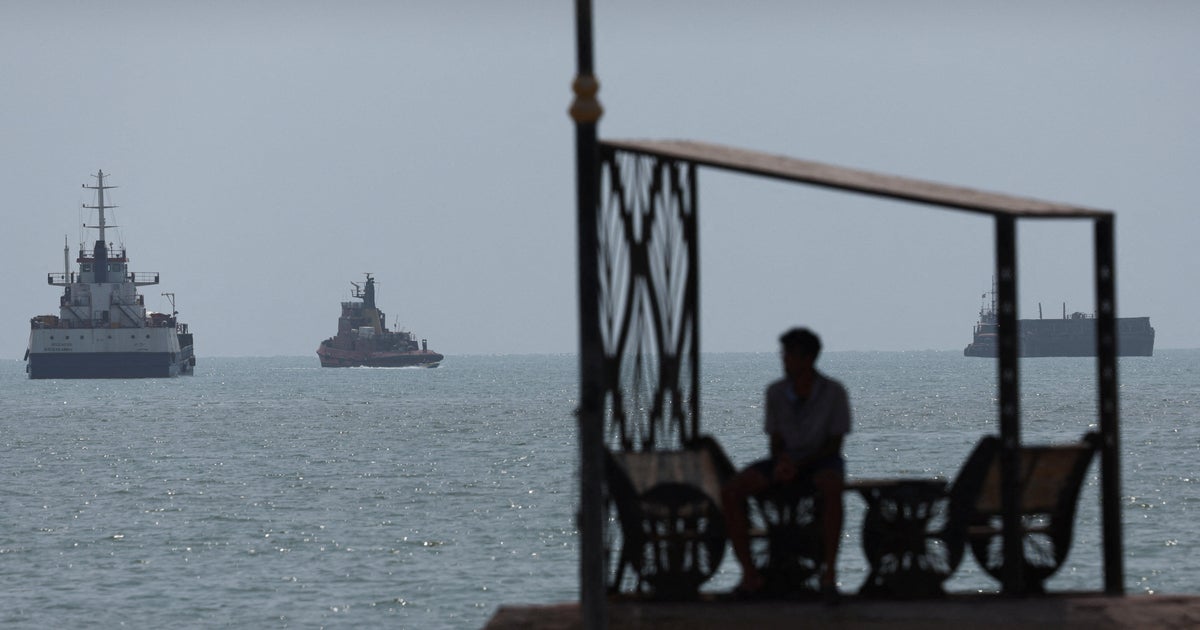
The danger on the water has not eased. The UK Maritime Trade Operations center reported another tanker strike in the strait, adding to the risk for shipping companies, many of which are rerouting vessels or holding them back. American forces are positioned about 1,000 kilometers offshore, the report said.
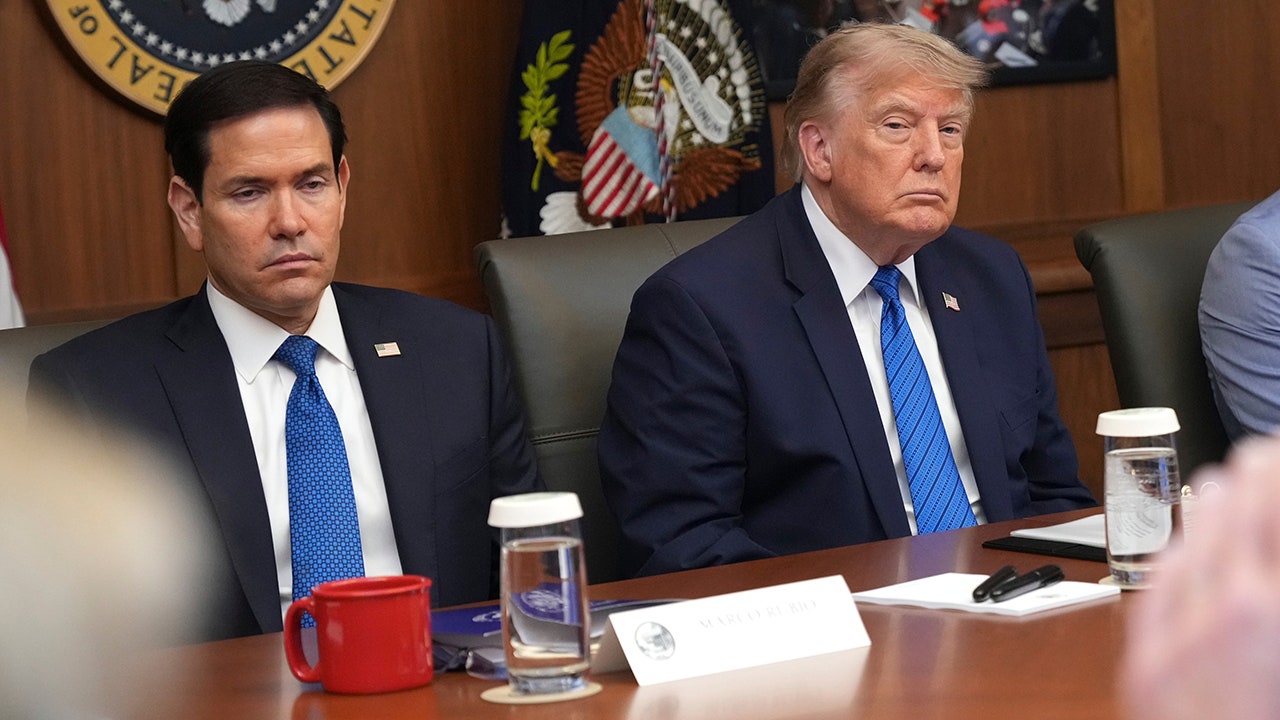
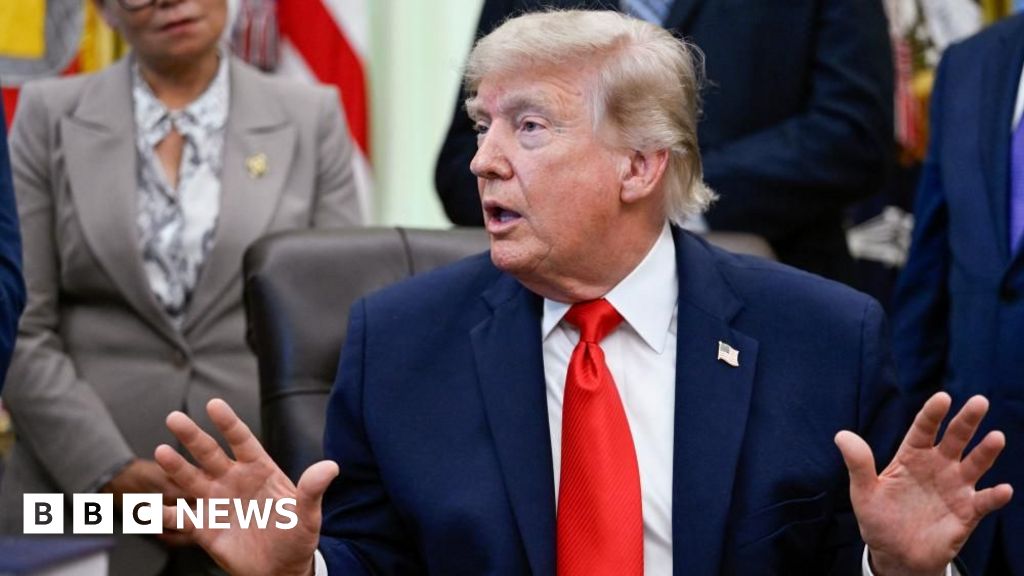
Neither side has shown it will move first. Tehran wants the blockade and sanctions lifted before it reopens the strait, while Washington has wanted movement on nuclear issues. Trump has said the war will end after the midterms, and his advisers met at Camp David this weekend to discuss Iran. Until one of them yields on sequencing, ships will keep avoiding the strait and fuel costs will stay high.