Oil Plunges 7% as Iran Says 'Ball Is in U.S. Court' on Deal to End War
Brent crude fell to $105 a barrel on signs of renewed dialogue, even as Trump warned he may have to give Tehran 'the hammer' and a record number of ships were attacked in October.
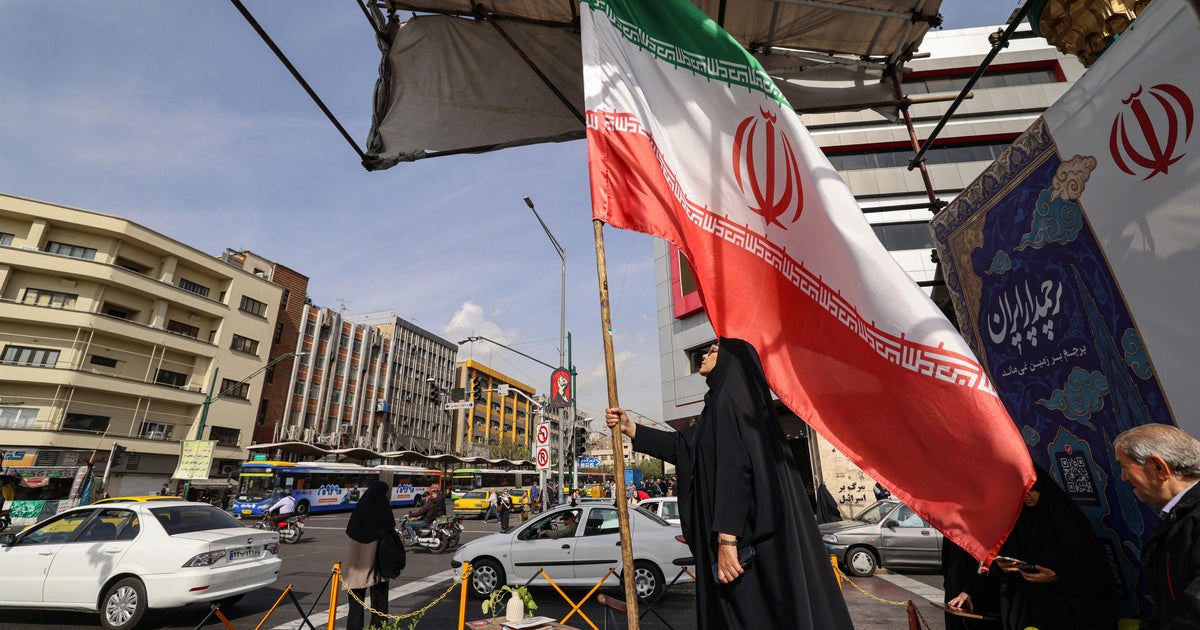
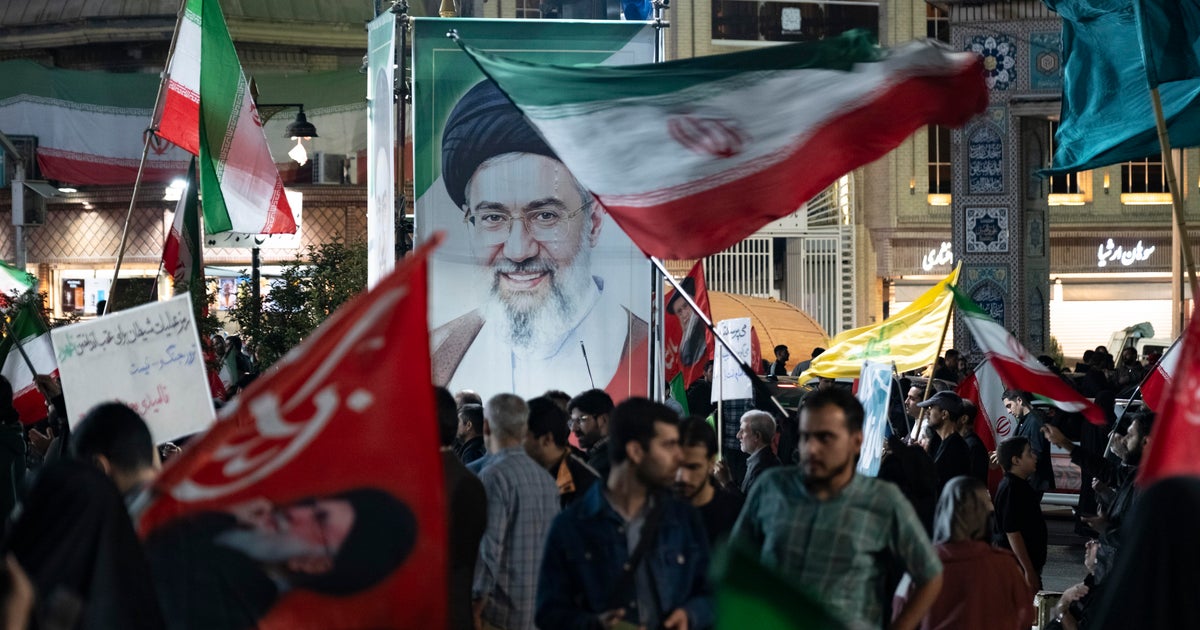
Iran said Monday that "the ball is in the U.S. court" on any agreement to end the war, and oil markets responded by wiping out more than 7% of the price of crude on hopes that a deal could still be reached before the American midterm elections.
Brent crude fell 7.4% to $105.03 a barrel. An analyst at Global Risk Management said the administration's signals may be "tactical." Prices have swung between roughly $70 and $120 a barrel since just before the war began on Feb. 28 with joint U.S. and Israeli strikes on Iran.
Indirect talks led by Qatar, with Pakistan also mediating, have now run three straight days without an apparent breakthrough. Foreign ministry spokesperson Esmaeil Baqaei said Iran's demands are clear. Foreign Minister Abbas Araghchi said the talks were "proceeding very intensively" but that "everything depends on" Washington. On Saturday he said Tehran had proposed shortening the implementation period of a potential deal from seven days to two, while Qatar had suggested five.
Iran is asking for the release of frozen assets, the lifting of the U.S. naval blockade and sanctions, and an end to hostilities on all fronts, including Lebanon and Gaza. In return it would reopen the Strait of Hormuz and discuss its nuclear program. Axios reported that Vice President JD Vance sent a letter to Iranian security chief Mohsen Rezaei about possible new talks. Rezaei spoke with Russian President Vladimir Putin on Monday and thanked him for Russia's support.
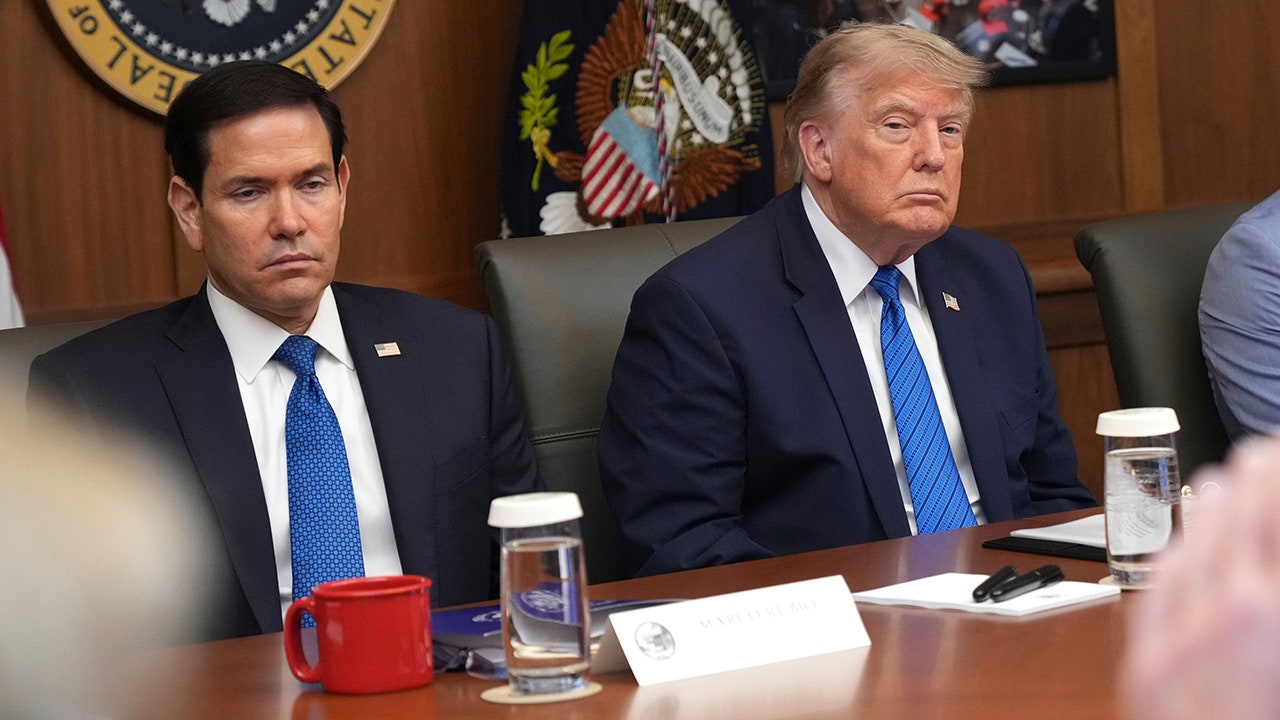
President Trump has mixed encouragement with threats. On Saturday he said the U.S. still had targets to "take care of," citing a suspected nuclear complex at Pickaxe Mountain, and on Sunday he said he might have to give Tehran "the hammer." In a radio interview he said the war would end "one way or the other," adding, "Either they'll make a deal, or we'll just end it." According to Axios sources, Israeli Prime Minister Benjamin Netanyahu pushed for new strikes in a Saturday call, while Trump wants negotiations to play out.
Iran's Supreme Leader, Mojtaba Khamenei, warned of "no geographical limitations" if fighting resumes. UAE presidential adviser Anwar Gargash said his country hopes for diplomacy but is bracing for "the worst."
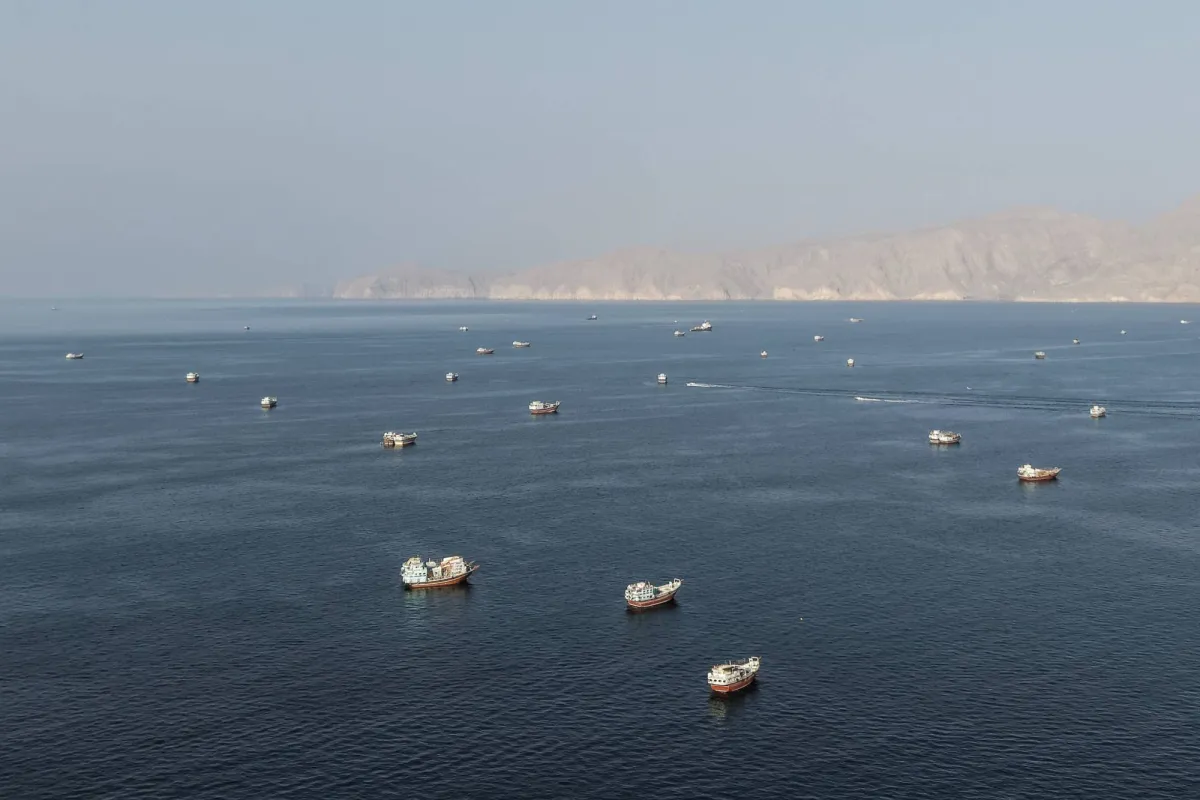
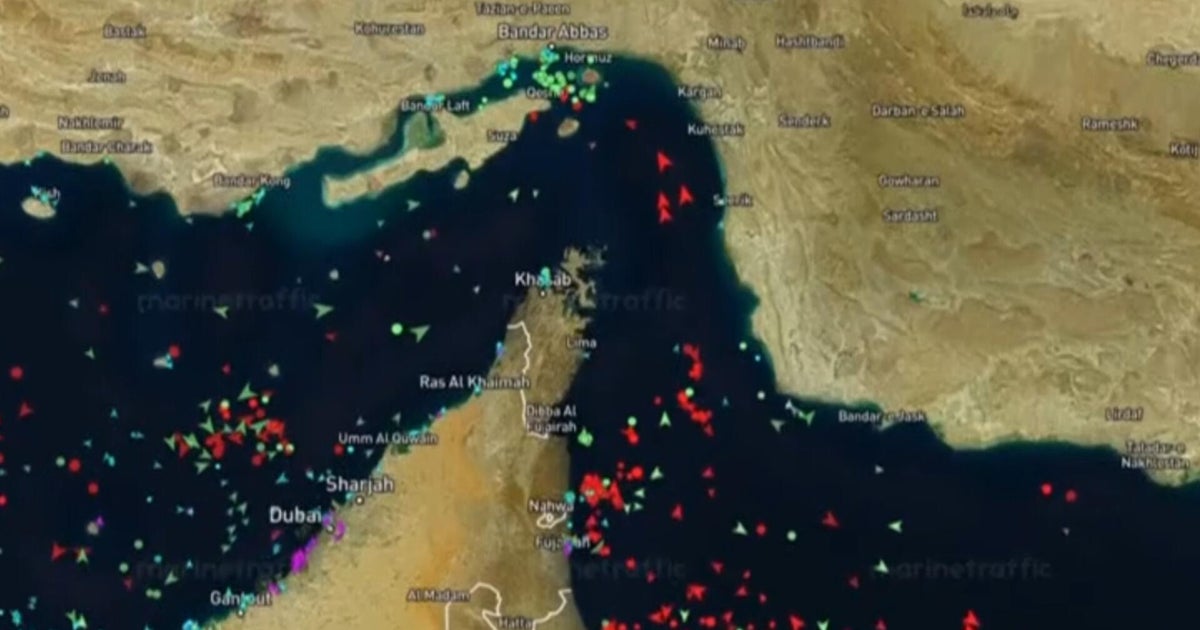
The waterway at the center of the standoff remains dangerous. The UK Maritime Trade Operations center recorded 30 attacks on commercial vessels in October, a record. Iranian state media said 11 tankers caught fire near the Strait of Hormuz in nine days and that another tanker hit a mine Monday, claims that have not been independently verified. A Qatari liquefied natural gas carrier was attacked Friday with no injuries.
The conflict is also spreading through Yemen. Houthi spokesman Yahya Saree claimed drone attacks on Dammam Airport and a radar in Jizan and said Saudi forces launched 109 airstrikes in 24 hours. Saudi officials have not confirmed or denied the claims. Houthi strikes last month killed at least 20 people at Saudi airports.
Iranian officials, for their part, warned of winter natural gas shortages and urged conservation. Both sides face pressure to settle, but the gap between Iran's list of demands and Trump's threats remains wide.