Trump Calls on Allies to Secure Strait of Hormuz as Iran Escalates Attacks
Brent crude hovers near $100 as the US-Iran conflict disrupts global shipping and roils energy markets

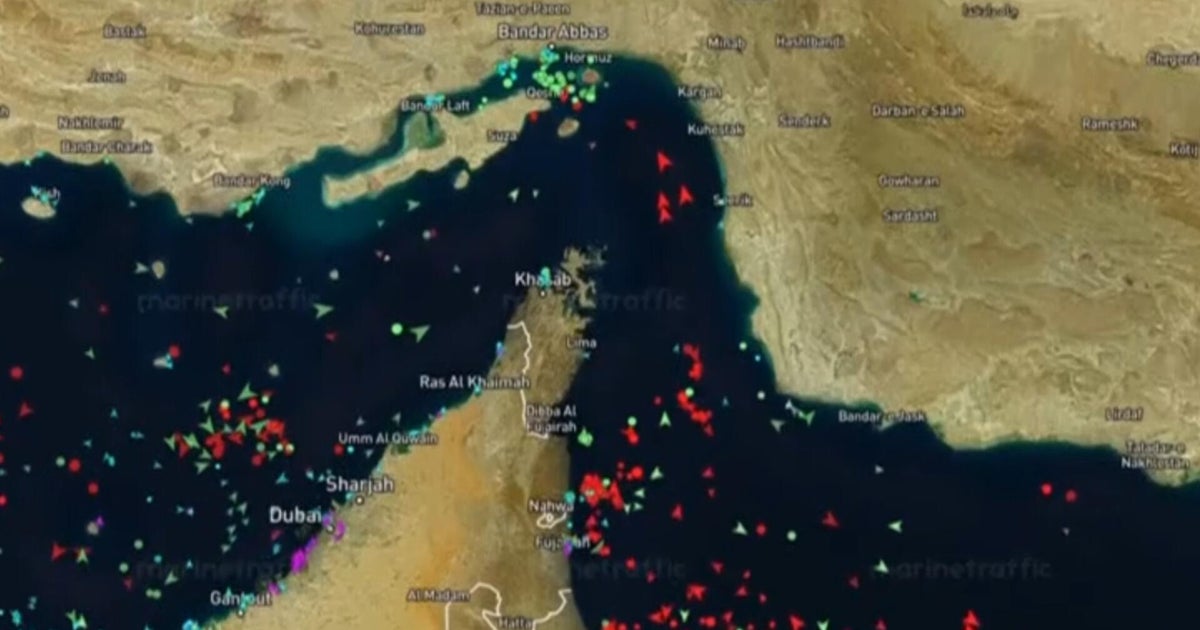
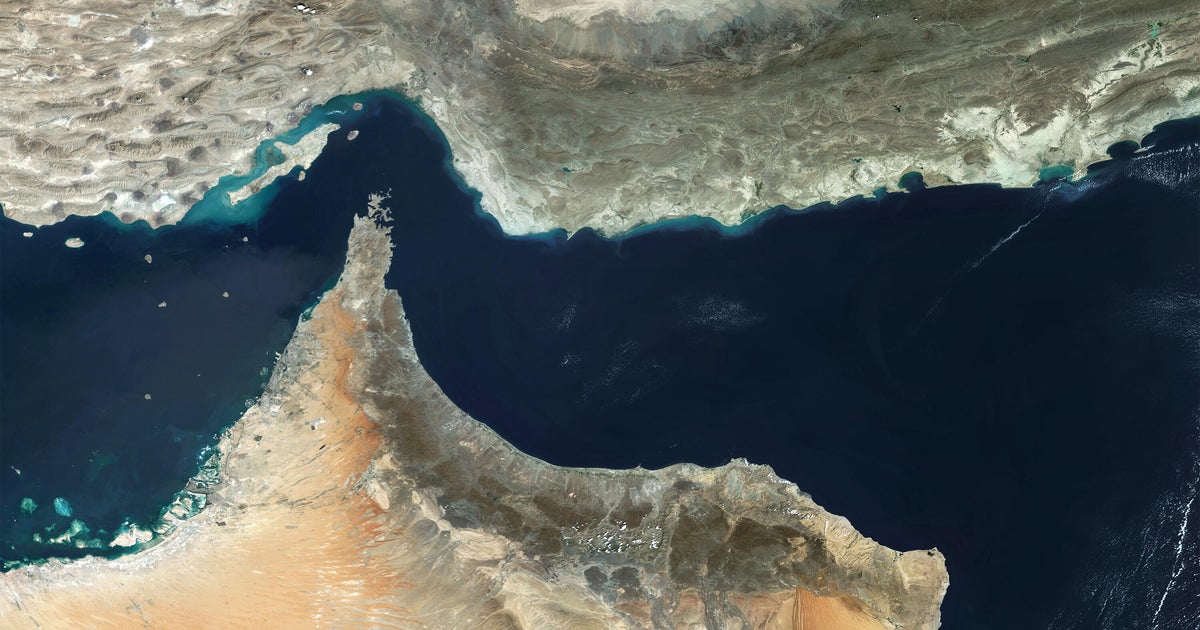
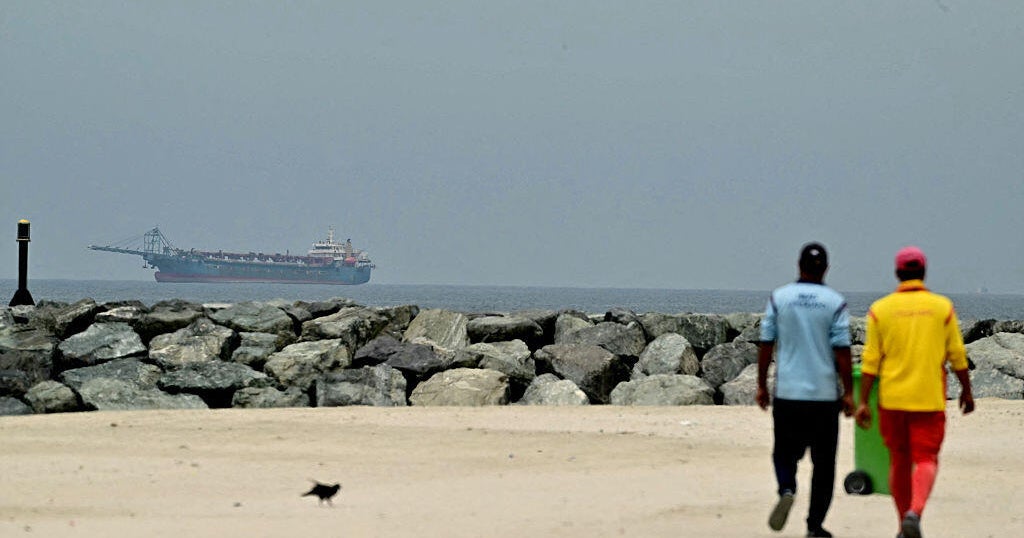
President Donald Trump on Monday renewed his appeal for international assistance in securing the Strait of Hormuz, the world's most critical oil chokepoint, as Iran intensified military strikes against Gulf Cooperation Council states and kept the waterway effectively closed to commercial traffic.
The plea comes amid an escalating US-Iran war that has sent Brent crude surging to near $100 per barrel and thrown global shipping lanes into disarray. Trump stated that Iran had been "nearly obliterated" but acknowledged the ongoing conflict continues to exact a heavy toll on energy markets and international commerce. Iran's Supreme Leader Ayatollah Ali Khamenei has vowed to keep the Strait of Hormuz closed, through which roughly 20 percent of the world's oil supply typically transits, dramatically raising the economic stakes of the confrontation.
The conflict, which has been intensifying throughout March 2026, has drawn in neighboring states and prompted NATO to bolster air defense systems in Turkey. Iran has expanded its targeting to include strikes on GCC nations, broadening a war that analysts warn could reshape the region's economic and political landscape. Torbjorn Soltvedt, principal Middle East analyst at Verisk Maplecroft, was among the experts weighing in on the deteriorating security situation, while Junaid Ansari of Kamco Invest assessed the investment implications for the region. Defense spending pressures are expected to tighten fiscal budgets across Middle Eastern economies, further compounding the economic fallout.
The turmoil is rippling well beyond the Persian Gulf. South African telecommunications giant MTN Group has seen its efforts to divest its stake in Irancell, the Iranian mobile operator, stall amid the hostilities — a signal of how the conflict is freezing corporate activity tied to Iran. Charles-Henry Monchau, chief investment officer at Banque Syz, pointed to the broader market volatility as investors grapple with sustained supply disruptions and uncertainty over how the conflict will resolve.
With Brent crude trading in choppy sessions near the psychologically important $100 mark, energy analysts say the trajectory of oil prices depends heavily on whether Washington can assemble a multinational coalition to reopen the strait or whether the closure becomes a prolonged feature of the conflict. Former Lebanese diplomat Ghassan Salamé warned that the manner in which the broader Middle East conflict concludes will have lasting implications for the entire region, including Lebanon's fragile political order.