Oil Surges Past $104 a Barrel as Iran Blockade Brings Global Energy Trade to a Standstill
U.S. crude hit $104.24 and Brent crude $102.29 on Monday as the naval blockade of Iranian ports throttled a waterway handling 20% of the world's oil supply.
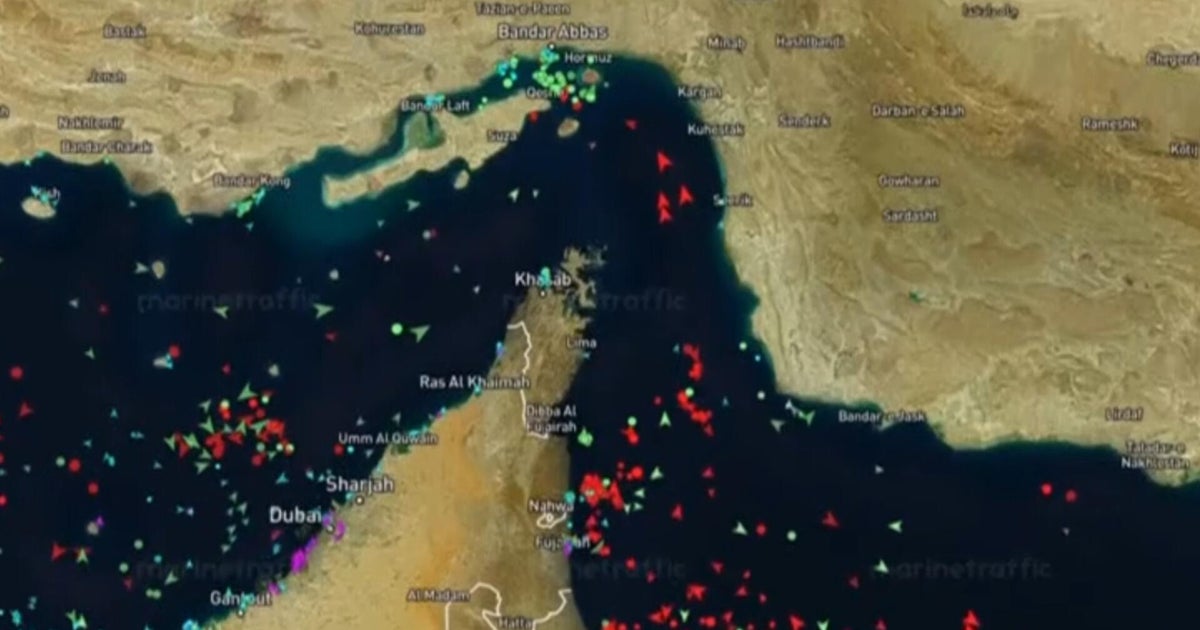
Oil prices surged past $104 per barrel Monday as the U.S. naval blockade of Iranian ports took effect and tanker traffic through the Strait of Hormuz — a waterway handling roughly 20% of global oil supplies — ground to a near-halt. U.S. crude oil jumped to $104.24 per barrel, while Brent crude, the international benchmark, climbed to $102.29, the first time both benchmarks have simultaneously exceeded $100 since the crisis began in late February. The moves come on top of a roughly 40% rise in oil prices since the U.S.-Israeli military strikes on Iran started, making this energy disruption the most severe since the 1973 Arab oil embargo.
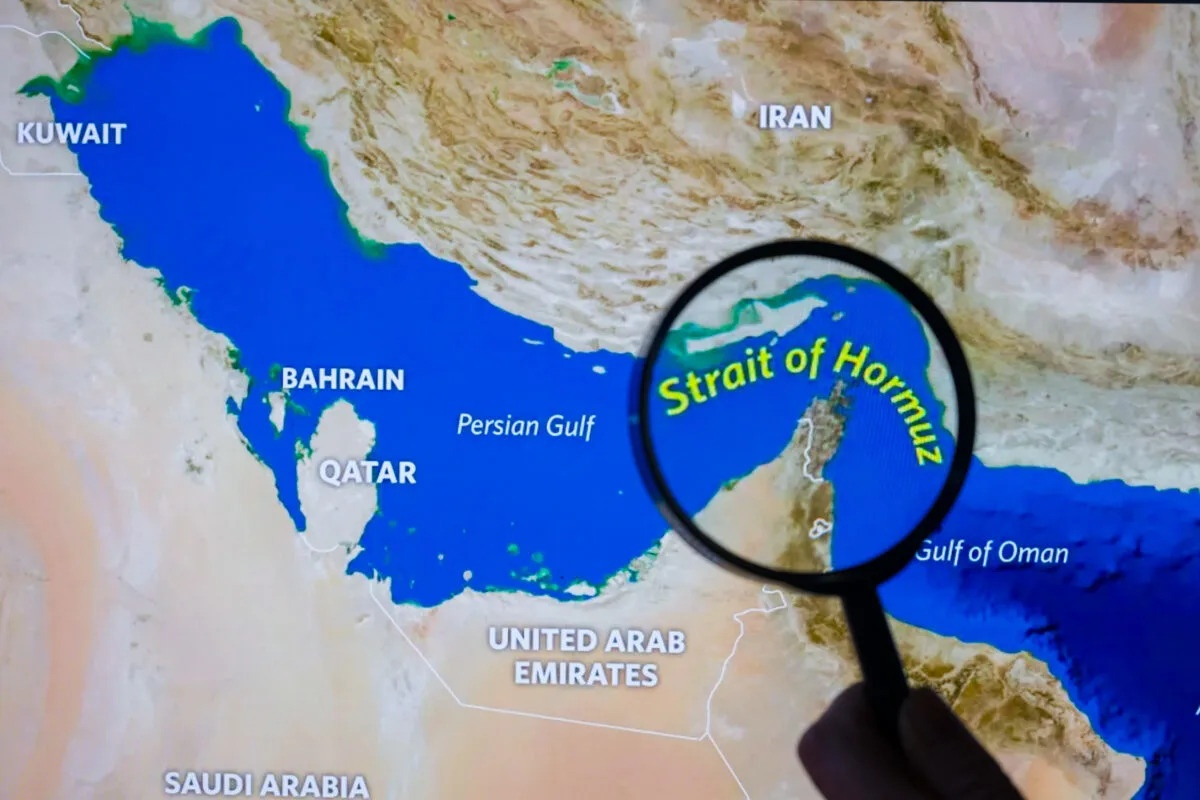
The Strait of Hormuz is one of the most strategically critical waterways in the world, connecting the Persian Gulf — where the vast majority of Middle Eastern oil production is loaded onto tankers — to the Arabian Sea and global markets. Before the crisis began, roughly 21 million barrels of oil and 100 million tonnes of liquefied natural gas passed through the strait every year. Since Iran began restricting passage in late February, tanker traffic has dropped to near zero, with major shipping companies including Maersk, CMA CGM, and Hapag-Lloyd suspending operations. At least 150 vessels were anchored outside the strait at last count, waiting for a resolution that has not come.
Energy Secretary Chris Wright told reporters Monday that prices would remain "high, and maybe even rising" until "meaningful ship traffic" resumes through the waterway. Analysts at Goldman Sachs warned that sustained disruption could push oil to $130 per barrel or beyond within weeks, which would inflict severe pain on households and businesses globally. Gas prices in the United States, which had already climbed sharply, rose to a national average of $4.78 per gallon over the weekend, with prices in California and other West Coast states exceeding $5.50. The inflation data from March already showed consumer prices jumping 0.9% in a single month — the largest monthly increase in two years — driven largely by energy costs.
The global economic impact extends far beyond fuel pumps. Higher oil prices translate directly into increased transportation costs across virtually every sector of the economy, from food production and distribution to manufacturing and retail. Airlines have already begun warning of higher fares as jet fuel costs have more than doubled since January. Shipping companies that have rerouted vessels around Africa's Cape of Good Hope rather than wait for the Hormuz standoff to resolve are adding thousands of miles and weeks of travel time to supply chains. Central banks in the United States, Europe, and Asia are all now facing difficult decisions about how to respond to an inflation surge driven by geopolitical disruption rather than domestic demand.
Stock markets offered a more cautious read than oil markets on Monday. The S&P 500 rose modestly, closing up 1.02% to 6,886.24, as investors priced in hopes that a deal would eventually be struck. Goldman Sachs struck a positive tone on software stocks, noting that the AI investment cycle was insulated from the energy shock. However, energy-sensitive sectors including airlines, trucking, and retail were broadly lower. Federal Reserve officials, who had been cautiously signaling potential interest rate cuts before the war began, are now under pressure to reconsider — or risk allowing a supply-driven inflation spike to become embedded in wage and price expectations across the economy.