Ancient DNA Shows Ice Age Europeans Were Far More Connected Than Thought, Study Finds
Genomes from a French cave woman and 22,000-year-old cave sediment show eastern and western European groups mixed over long distances more than 30,000 years ago.
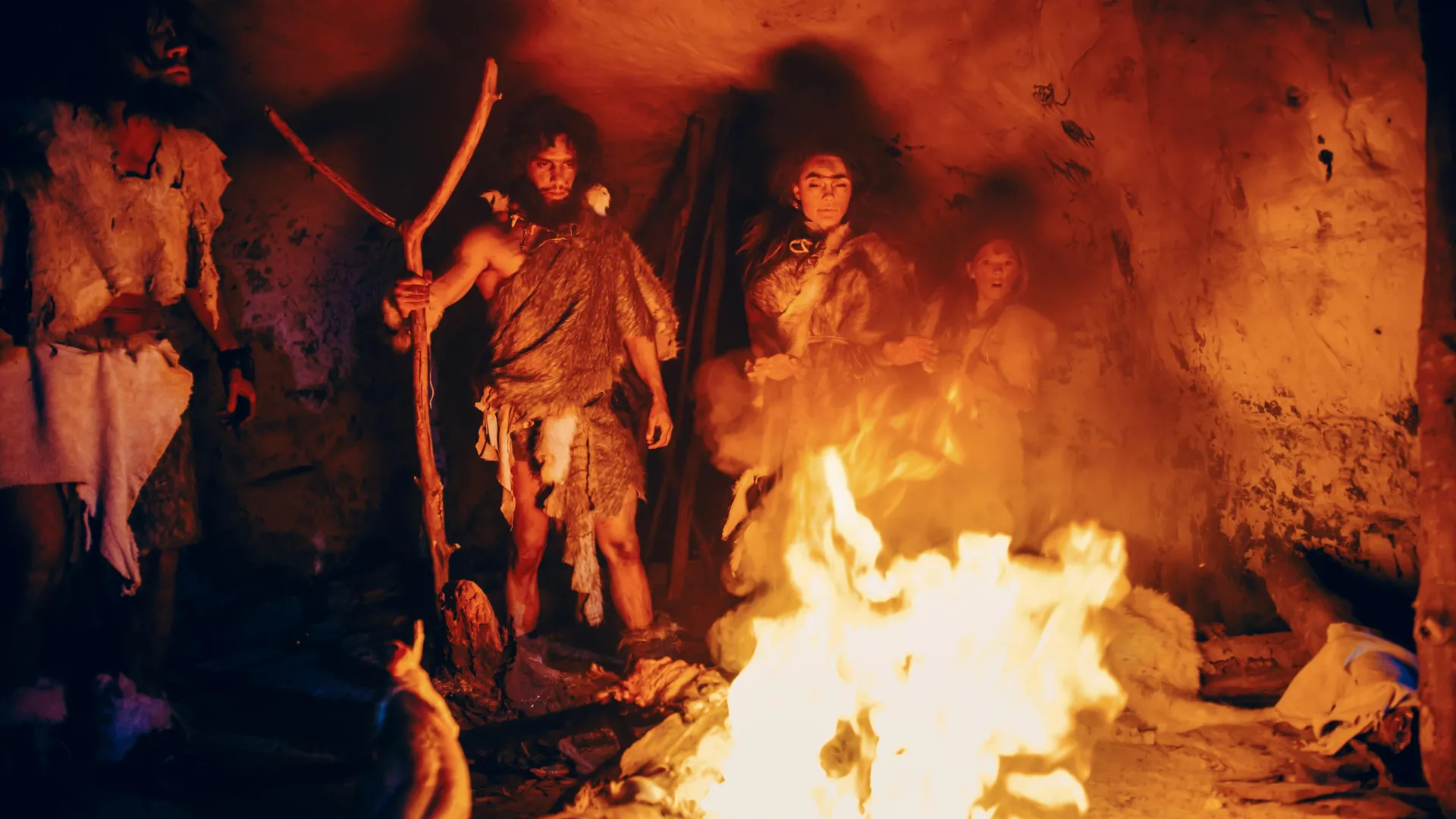
People who lived in Europe more than 30,000 years ago were connected across vast distances, according to ancient DNA recovered from human remains and from cave sediments, a finding that undercuts the picture of isolated Ice Age populations.
The study, led by the University of Vienna, was published in Science Advances under the title "Early Gravettian genomic data from Western Europe reveal population movements before the LGM," with LGM meaning the Last Glacial Maximum. Pere Gelabert is first author and Ron Pinhasi of the university's Department of Evolutionary Anthropology is senior author. About 40 co-authors are listed, among them the Harvard geneticist David Reich.
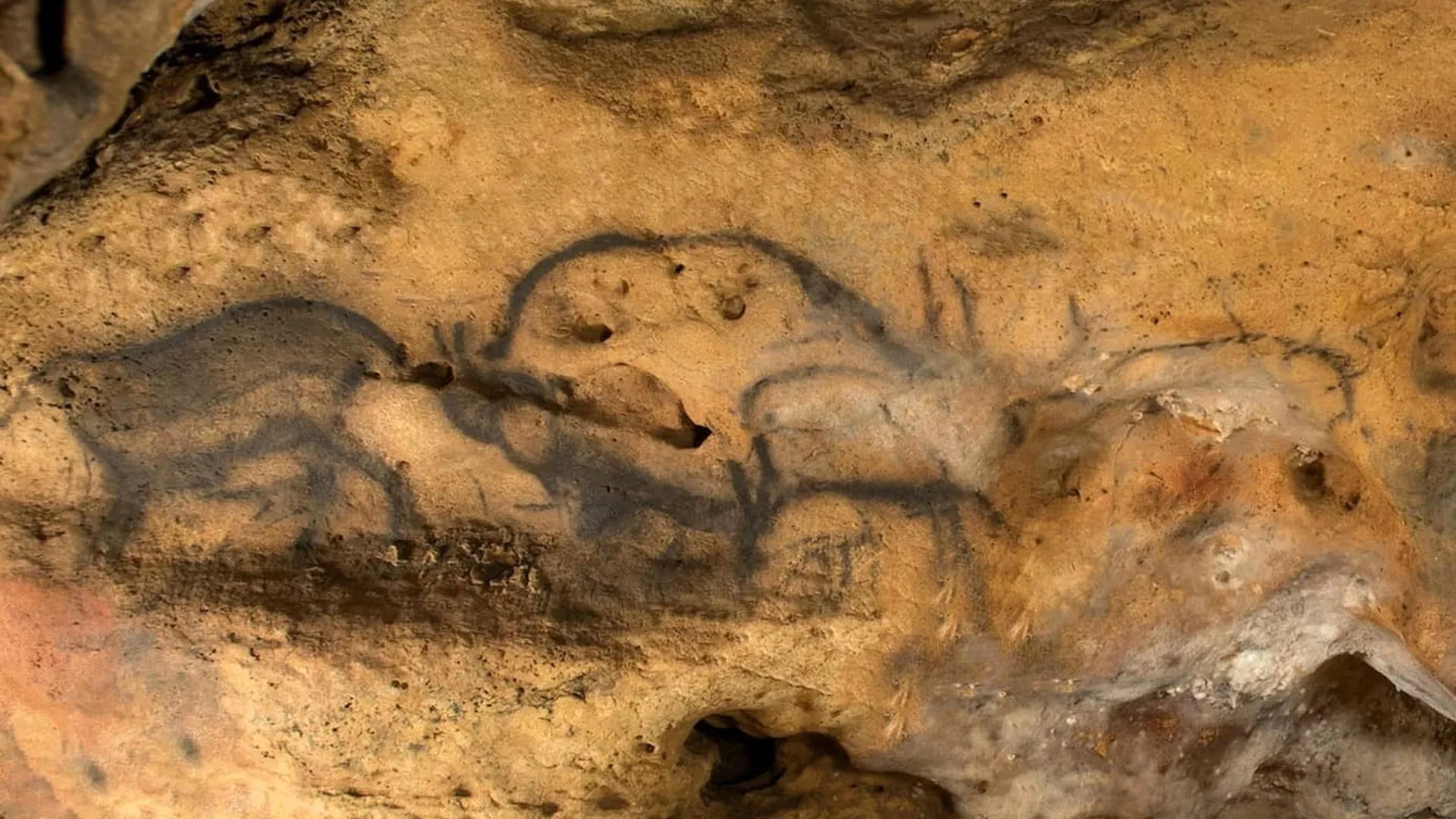
The work centers on the Gravettian culture, which existed roughly 34,000 to 25,000 years ago. At Isturitz Cave in southwestern France, the team sequenced a woman who lived about 30,000 years ago. She had mostly western European ancestry but also carried central and eastern European ancestry, and her remains yielded the oldest genome-wide dataset from a modern human in southwestern Europe. The mixing is estimated to have happened about 32,500 to 31,500 years ago. A second individual from Ormesson, France, showed a similar genetic signature, which suggests Isturitz may have been a meeting place for different groups.
Farther south, in Chufín Cave in northern Spain, western European ancestry appears to have persisted in the region for an extended period. At El Mirón Cave in Cantabria, Spain, the researchers recovered human nuclear DNA from sediment about 22,000 years old, even though no bones or teeth were found in that layer. That shows western ancestry continued through the coldest stretch of the Ice Age and supports the idea that the Iberian Peninsula served as a refuge.
"Our results show that eastern and western European populations were not as genetically isolated as previously assumed," Gelabert said. Pinhasi said sedimentary DNA "allows us to recover genetic information from periods where human remains are missing."
The team also reported on a male fetus from Ostuni1b in southern Italy, presumed to be the son of a woman known as Ostuni1. His father likely came from the same ancestral population, but the parents were not closely related, which suggests mating patterns helped limit inbreeding in small groups.
The researchers plan to combine sediment DNA with proteomics, the analysis of proteins, to study the earliest expansions of modern humans in Europe. They also want to learn how those populations interacted with carnivores in places where bone and other organic remains are scarce.