Trump Administration Asks Supreme Court to Set Aside 20,000 California Ballots on Eve of Election
The Justice Department filed an emergency appeal Monday after a 9th Circuit panel refused to make California segregate mail ballots from people on a government list of suspected noncitizens.
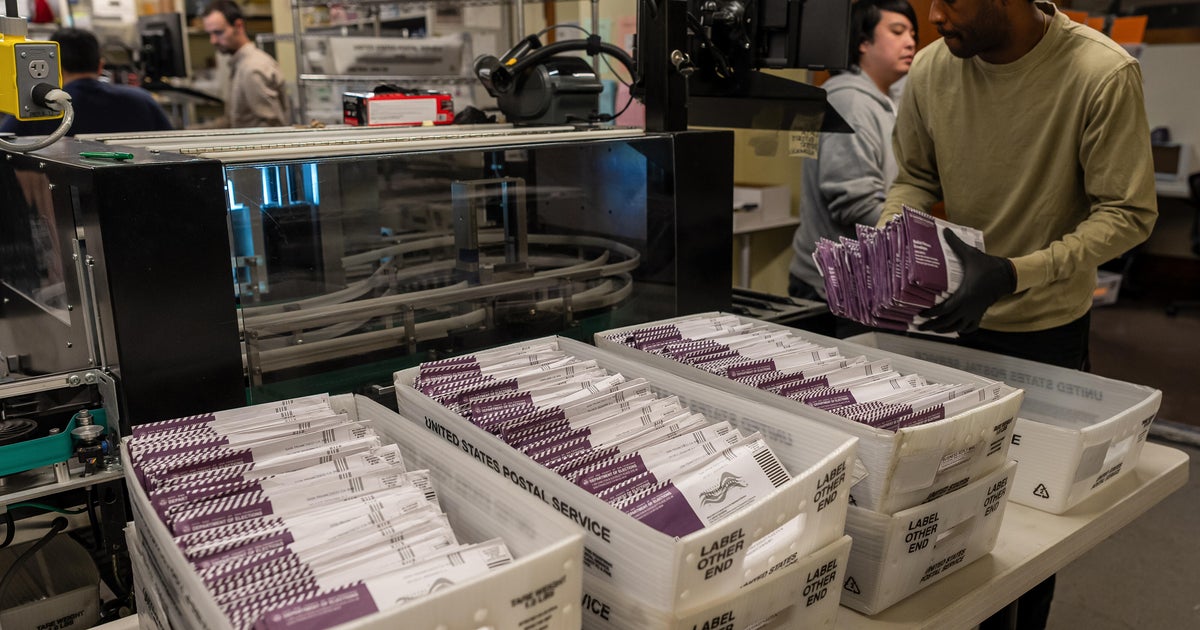
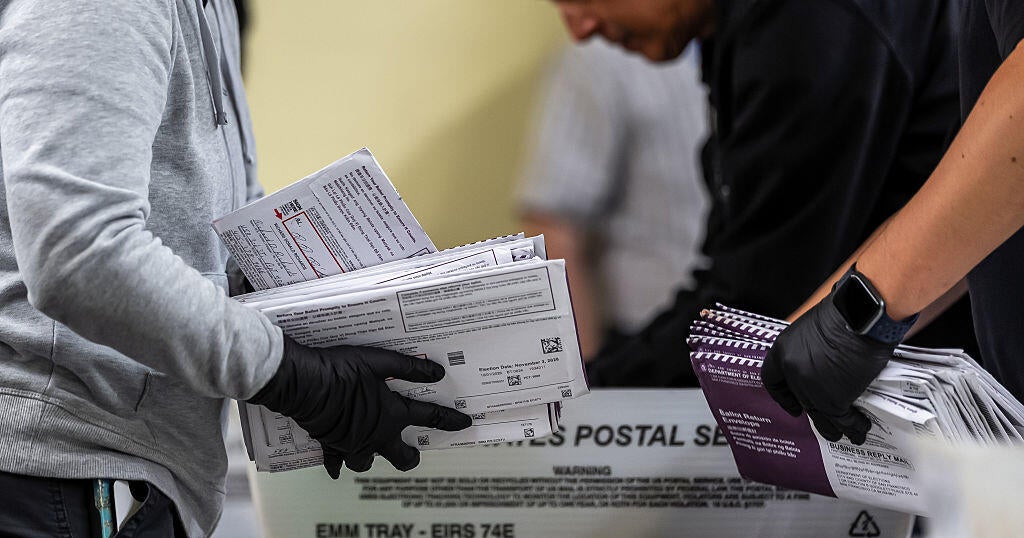
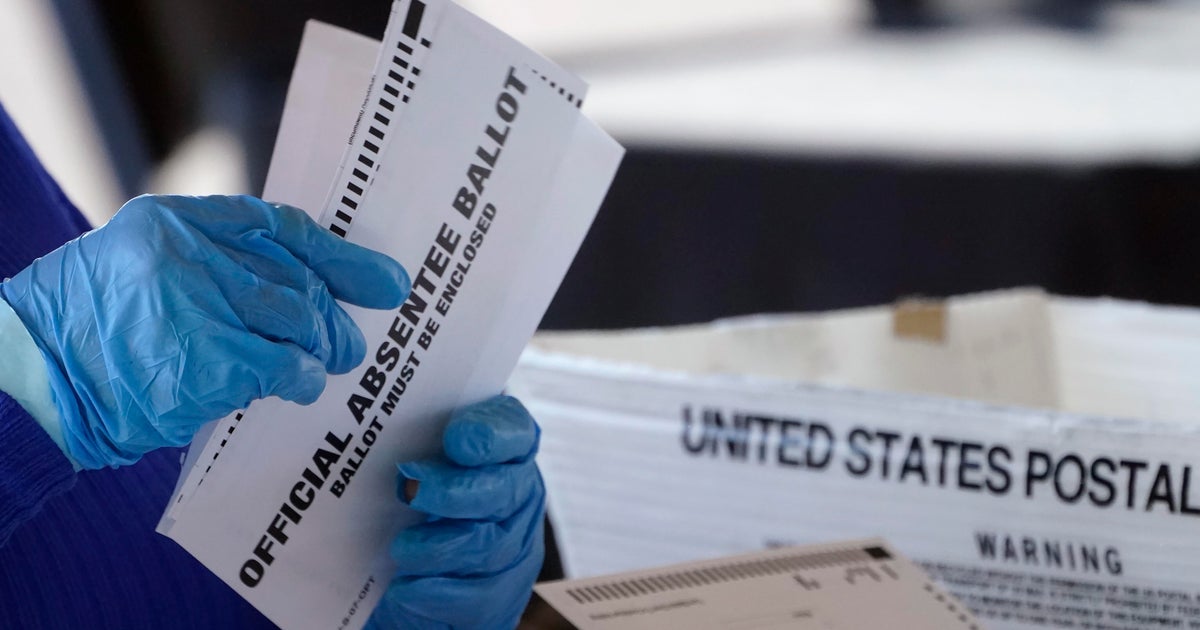
The Trump administration asked the Supreme Court on Monday to order California election workers to set aside mail ballots cast by more than 20,000 people the Justice Department says are not U.S. citizens, a last-minute bid to alter how the nation's largest state counts votes in Tuesday's midterm elections.
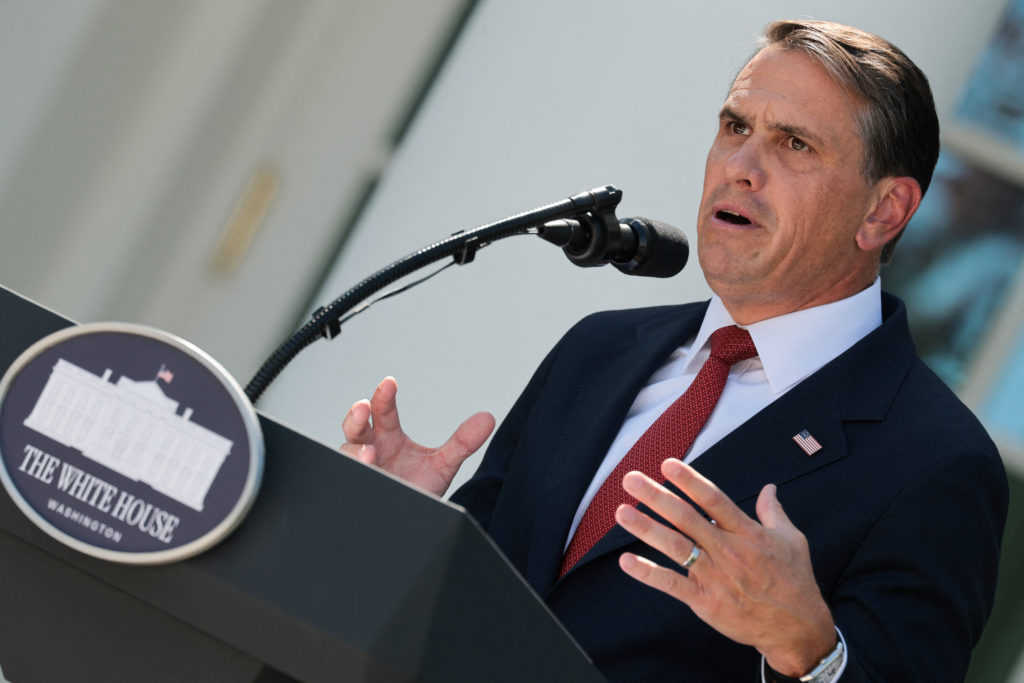
The emergency application follows a Friday ruling by a three-judge panel of the 9th U.S. Circuit Court of Appeals, which voted 2-1 to decline the government's request that California officials segregate the ballots. Solicitor General D. John Sauer, who signed the filing, called the request a "modest remedy" meant to ensure that ballots from noncitizens do not "debase or dilute valid votes." He argued that once the disputed ballots are mixed in with lawful ones they cannot be recovered, so they must be separated now to preserve a lower court's ability to grant relief later.
The dispute began when the Justice Department sent letters to California's secretary of state and to the top elections official in Los Angeles County. The letters included a list of 20,000 people the department said were registered to vote but are not citizens, and demanded that their ballots be set aside and left uncounted until citizenship could be verified. Officials in California raised concerns about the accuracy of the list and warned that acting on it risked disenfranchising eligible voters.
When California did not comply, the Justice Department sued the state and Dean Logan, the Los Angeles County registrar-recorder and county clerk, asking a court to require that the ballots be segregated. On Wednesday, U.S. District Judge David Carter, who was appointed by President Bill Clinton, denied the government's request for a temporary restraining order. "Constitutional rights and our democracy are at stake," Carter wrote, criticizing what he called "unfounded allegations" that grew out of a procedure "rife with uncertainty and errors."
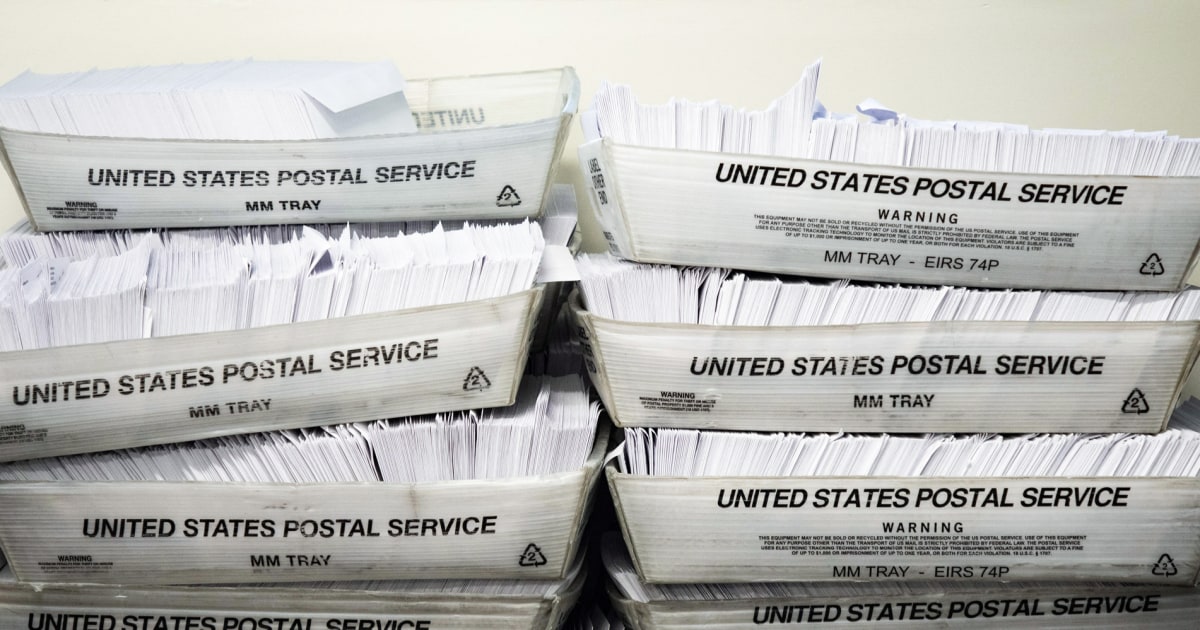
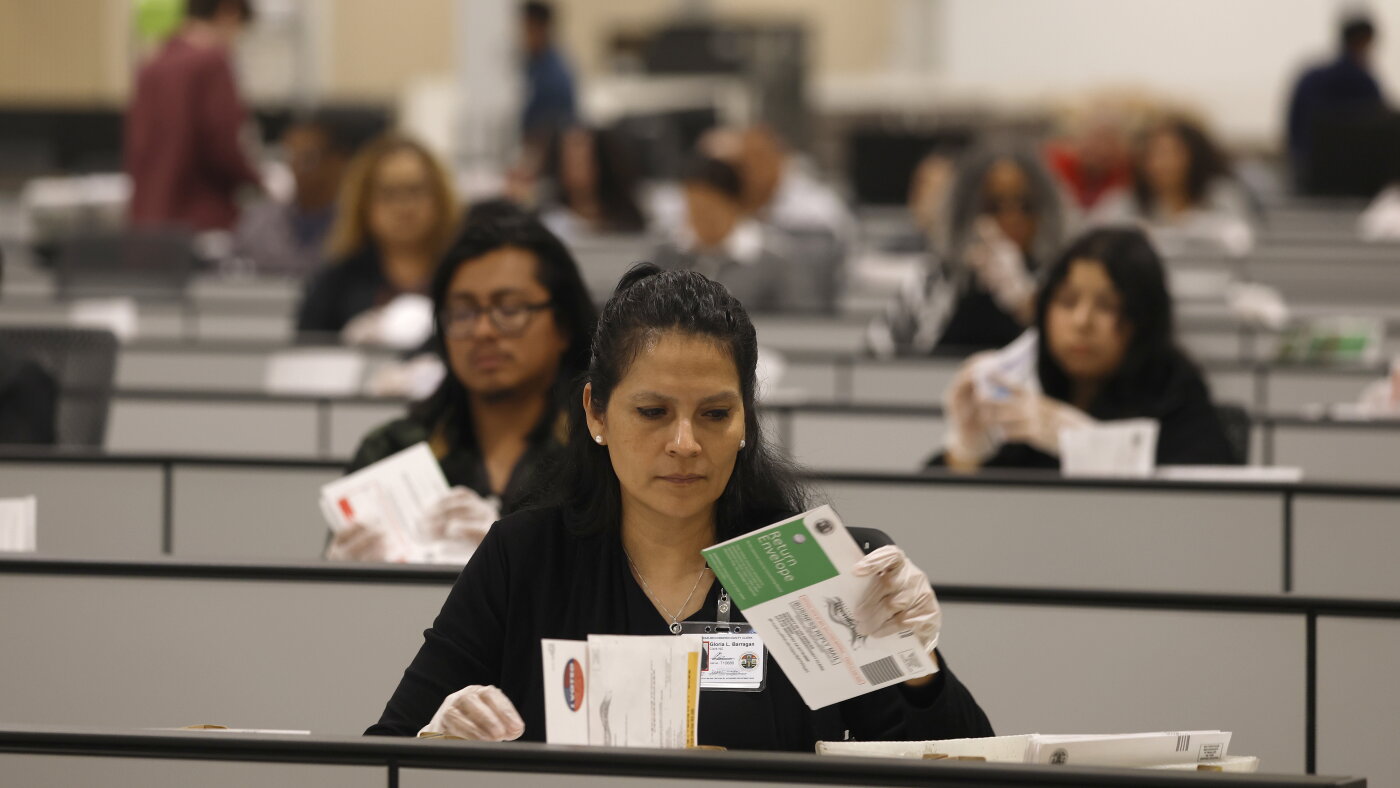
The numbers show how much is riding on the timing. As of Sunday, more than 6 million mail ballots had been returned statewide, according to the California Secretary of State, and voting has been underway since early October. California has more than 23 million registered voters. Any order to hold back ballots would land on a count that is already largely in motion.
The administration has not yet persuaded any lower court to require the disputed ballots to be set aside. The Supreme Court has the option of acting quickly on an emergency application, ruling on the paperwork alone without oral argument, or declining to intervene, which would leave the 9th Circuit's decision in place. The justices have not said when they will respond.
The appeal is the latest in a string of election-related fights that have reached federal courts in the final days of the campaign. Earlier this week a federal judge barred the Justice Department from threatening California election officials, and another dismissed a separate attempt tied to the Alaska Senate race. Legal experts quoted by CBS News have said the courts have so far thrown out midterm-related claims at a steady pace.
If the Supreme Court sides with the government, California counties would be forced to build a separate pile of ballots on the busiest day of the election cycle, based on a list officials have already called unreliable. If it denies the request, the count proceeds as California law directs, and the Justice Department's lawsuit continues in the lower courts after the votes are in.