Iran Offers a Seven-Day Plan to Reopen Hormuz, With a $12 Billion Price Tag
Foreign Minister Abbas Araghchi says the strait would reopen on day seven if the U.S. agrees to a full ceasefire, frees frozen assets, lifts its blockade and waives oil sanctions. The White House calls the talks 'positive and constructive' but says it won't rush.

Iran has sent the United States a seven-day plan to end the war and reopen the Strait of Hormuz, Foreign Minister Abbas Araghchi said Thursday, but its conditions include demands Washington has refused before.
"We have introduced a plan to the United States through the intermediaries that if certain conditions are met, the Strait of Hormuz would be open at the end of the seventh day and talks would restart," Araghchi said. He said the proposal went to Washington through Qatari mediators this week.
The conditions are steep. Iran wants a complete ceasefire on every front, including Lebanon and Gaza. It wants the release of at least $12 billion in frozen Iranian assets. It wants the U.S. naval blockade lifted and waivers on sanctions against Iranian oil. Talks on Iran's nuclear program would begin during the seven days, and the strait would reopen on the final day.
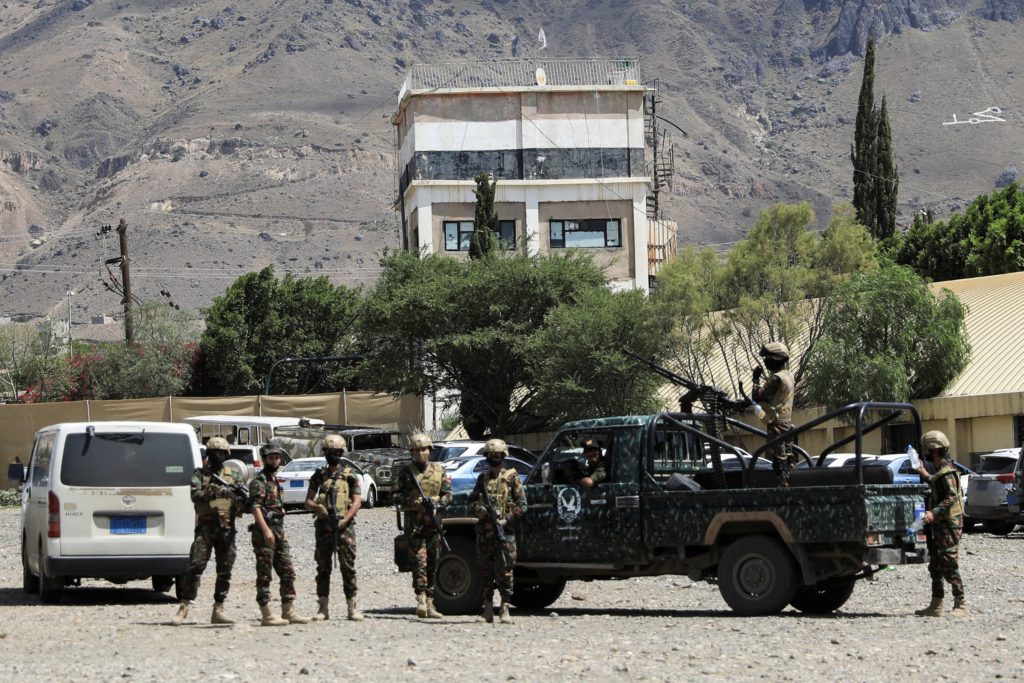
Araghchi said the plan closely follows the memorandum of understanding the two countries signed in Islamabad in June. That deal collapsed in August, with each side accusing the other of breaking it. The fighting has since spread to Saudi Arabia, where Yemen's Houthis are firing missiles at oil sites.
The White House has not rejected the offer. An unnamed official told CNN the administration was having "positive and constructive discussions through the mediators." A second official said Washington "would not rush into a deal." An Iranian security source told Al Jazeera there could be room to engage "if Washington met Iran's conditions." Analysts were skeptical that much had changed, with one telling Al Jazeera that "basically nothing has really changed" in either side's position.
The offer landed during a week of hard talk from Tehran at the United Nations. Iran's president told the General Assembly on Wednesday that his country would fight "until our last breath." On Thursday, the U.S. Senate voted 49-50 to reject a resolution that would have forced President Donald Trump to end U.S. involvement in the war without congressional approval.
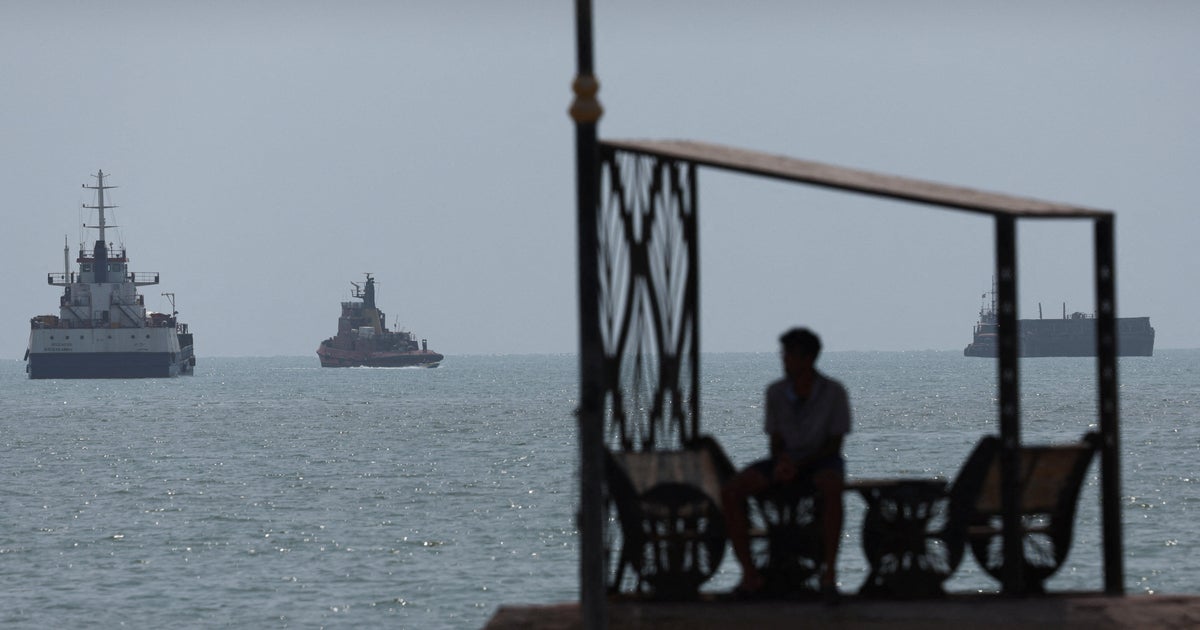
Markets took notice. U.S. stocks trimmed losses Thursday on hopes of a Hormuz deal, even as bond yields rose. The strait normally carries about a fifth of the world's oil, and its closure has pushed Brent crude to around $107 a barrel and sent fuel prices to records in Europe.
Araghchi also met British Foreign Secretary Ed Miliband on the sidelines of the U.N. meeting. Miliband stressed the importance of the strait and warned that Britain "will not tolerate intimidation, threats or hostile activity" from Iran-linked groups on British soil.