Trump Dissatisfied With Iran's Plan to Reopen Strait of Hormuz
The proposal would set aside nuclear program questions but fails to meet administration demands for comprehensive regional security.

President Donald Trump has expressed dissatisfaction with Iran's latest proposal to reopen the strategically vital Strait of Hormuz, according to administration officials. The Iranian plan, delivered on Sunday, would focus on lifting shipping restrictions in the key waterway while postponing discussions about the country's nuclear program until later negotiations.
The proposal represents Iran's attempt to separate the immediate economic crisis affecting global oil shipments from the more complex nuclear proliferation issues that have dominated U.S.-Iran relations. Iranian officials suggested that reopening the strait to commercial traffic and ending the current U.S. blockade could serve as confidence-building measures before tackling thornier diplomatic challenges.
Trump administration officials, however, view the Iranian offer as insufficient and potentially designed to buy time while avoiding substantive concessions on nuclear development. The president has consistently demanded that any agreement with Iran address both maritime security and nuclear proliferation as interconnected issues that cannot be resolved piecemeal.
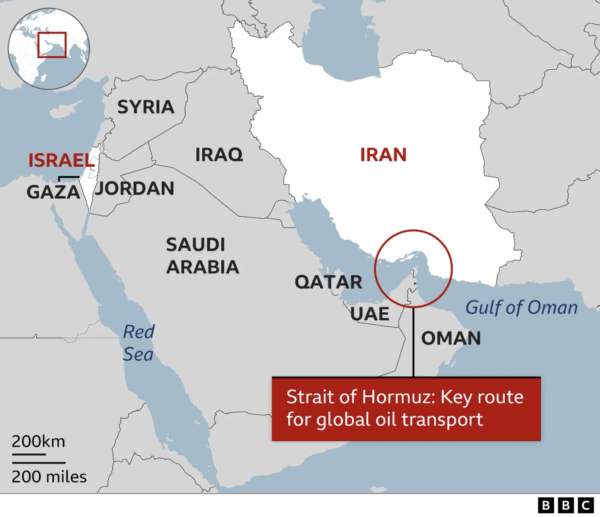
The Strait of Hormuz serves as a critical chokepoint for global energy supplies, with approximately one-fifth of the world's petroleum liquids passing through the narrow waterway. The ongoing closure has contributed to significant increases in fuel costs worldwide, creating economic pressure on the Trump administration to find a resolution.
The rejection of Iran's proposal suggests that diplomatic efforts to resolve the crisis may face continued obstacles. Administration officials indicate that Trump remains committed to a comprehensive approach that addresses regional security concerns beyond just the immediate shipping disruption. The standoff continues to affect global energy markets and poses ongoing challenges for international maritime commerce.