Iran's Supreme Leader Vows Nuclear Protection as Energy Prices Hit 4-Year High
Ayatollah warns Trump's naval blockade is 'doomed to fail' as oil prices soar amid ongoing standoff over critical Strait of Hormuz shipping route.
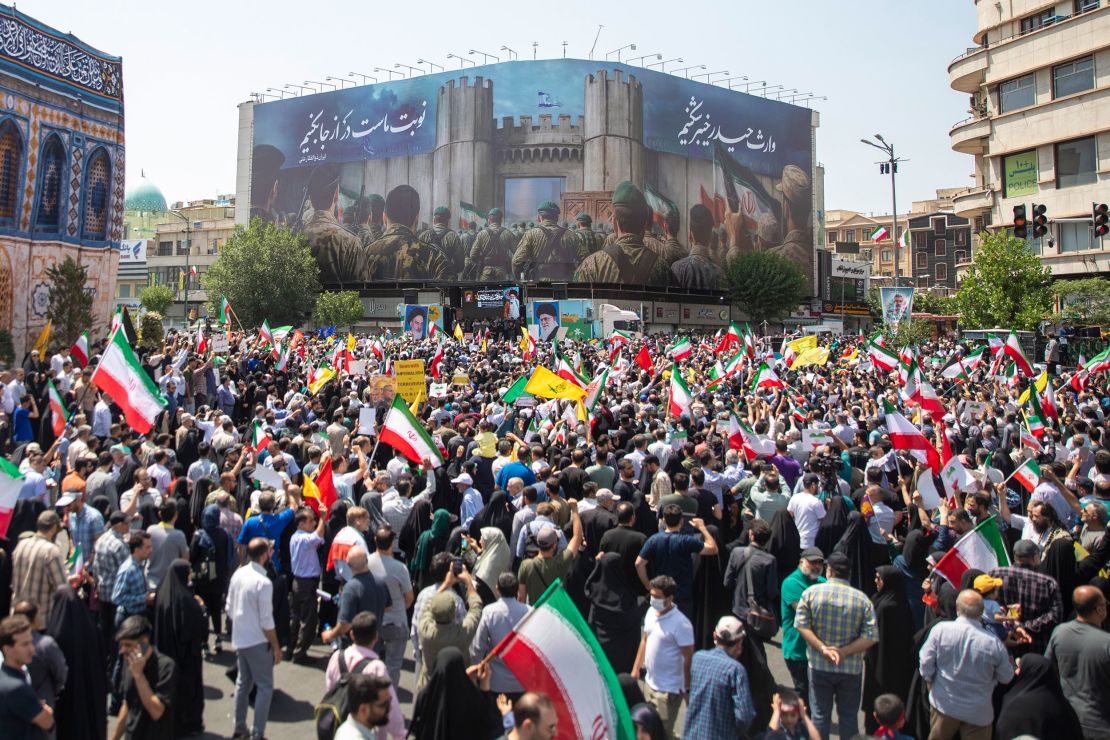
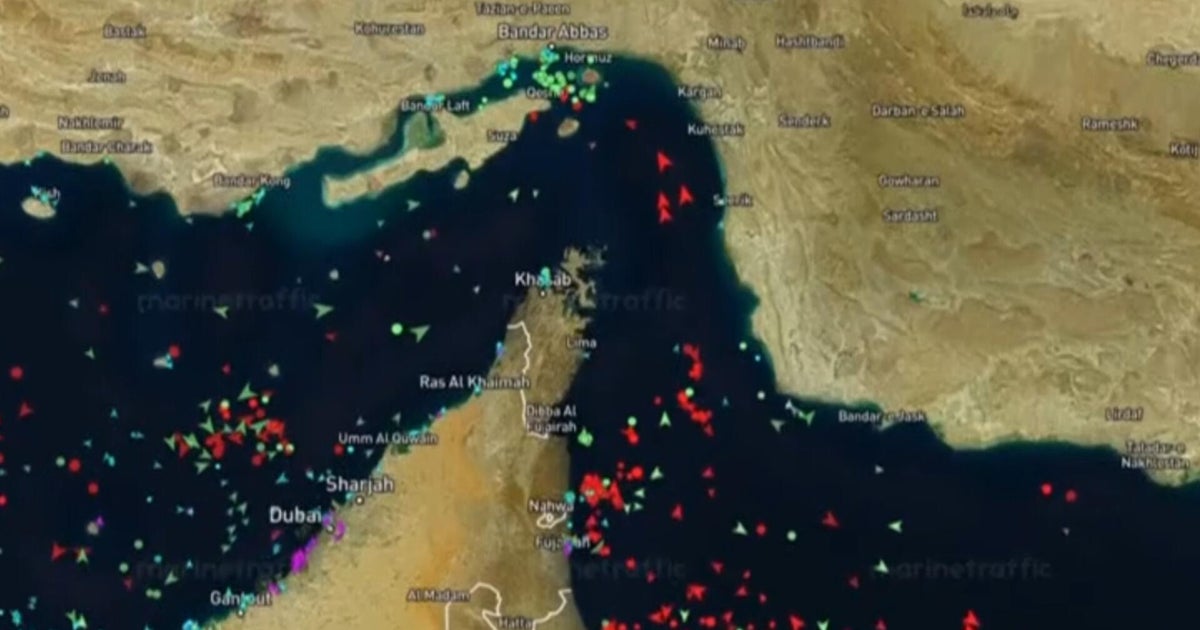
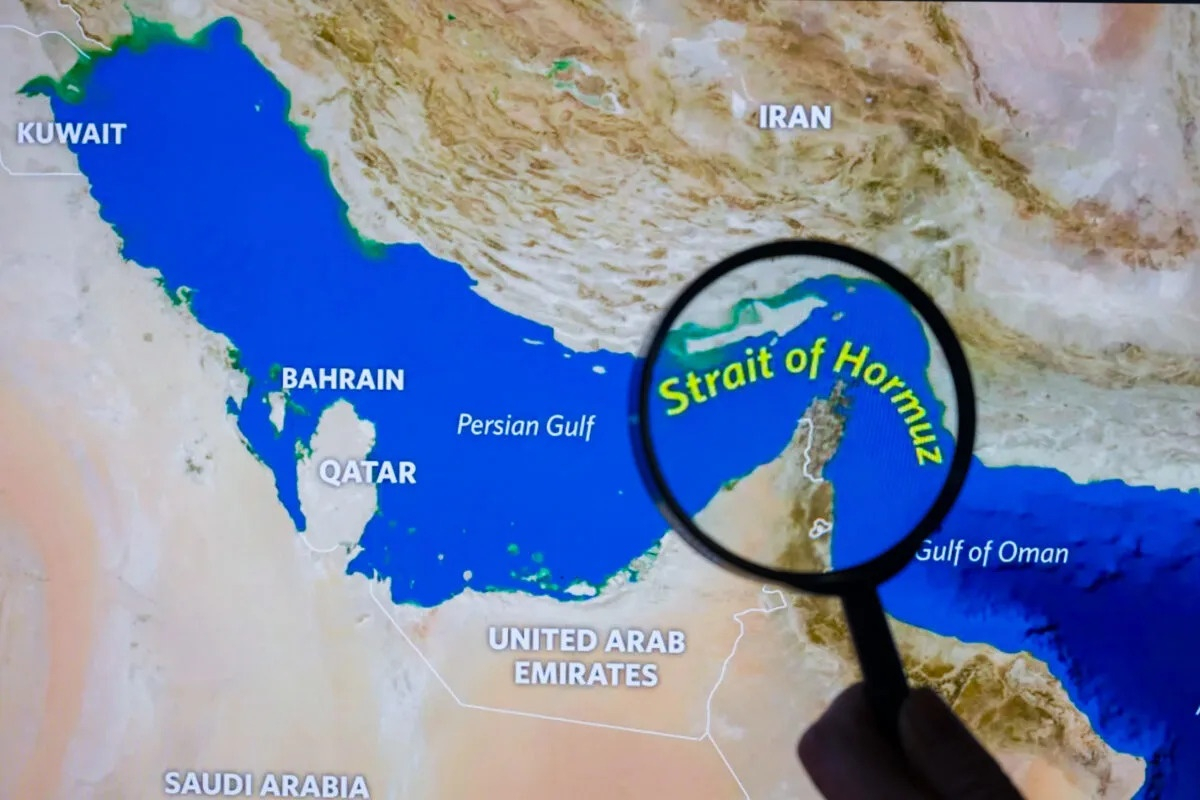
Iran's Supreme Leader issued a defiant warning that President Trump's naval blockade of Iranian oil exports was "doomed to fail" as global energy prices surged to their highest levels in four years amid the escalating confrontation over the Strait of Hormuz. The statement came as oil markets continued to rally on fears that the strategic waterway, through which roughly one-fifth of global petroleum shipments pass, could face prolonged disruptions. The supreme leader also vowed to protect Iran's nuclear capabilities against what he described as American aggression, raising concerns about potential escalation beyond the current naval standoff.
The ongoing blockade has created severe disruptions to global energy markets, with traders pricing in the risk of extended supply shortages from one of the world's most critical oil-producing regions. The Strait of Hormuz serves as a vital chokepoint for international energy trade, and any sustained closure or restriction of traffic through the waterway has immediate global implications. Energy analysts note that the current price levels reflect not just immediate supply concerns but also fears about the potential for broader regional conflict that could affect other major oil producers.
The Trump administration has maintained that the blockade is necessary to pressure Iran over its nuclear program and regional activities, but Iranian officials have characterized the action as an act of economic warfare. The supreme leader's latest statements suggest that Iran has no intention of backing down from the confrontation, potentially setting the stage for a prolonged standoff that could keep energy prices elevated for an extended period. Military analysts are closely watching for signs of escalation beyond the current naval confrontation.
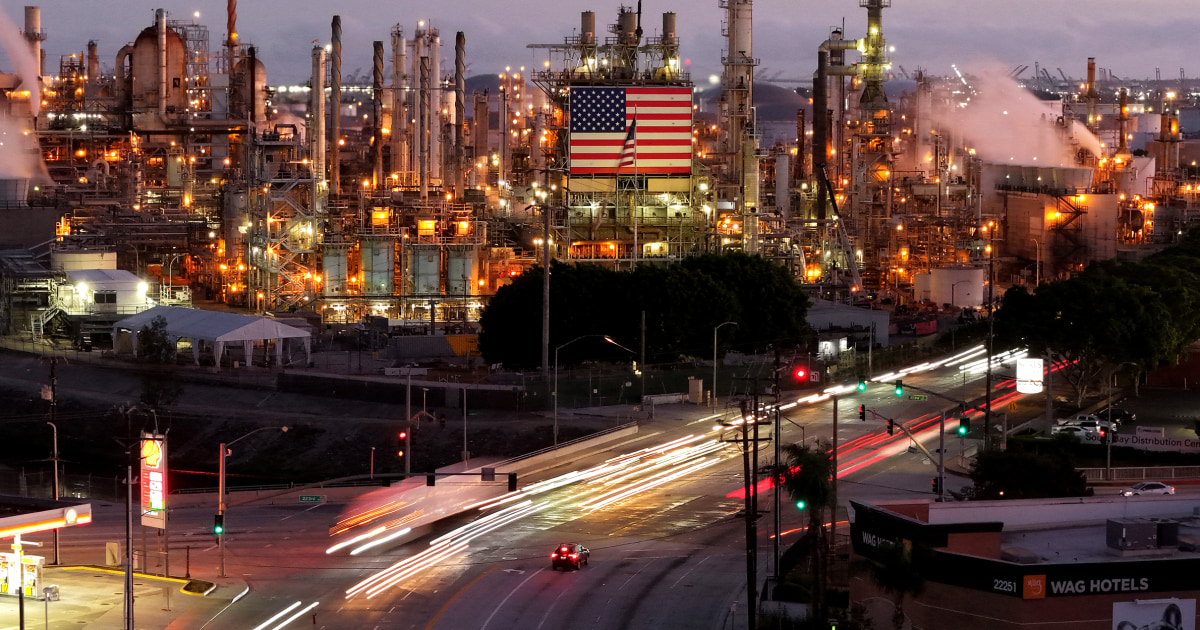
Global financial markets have responded nervously to the combination of higher energy costs and geopolitical uncertainty, with investors concerned about the potential economic impact of sustained high oil prices. The Federal Reserve and other central banks have indicated they are monitoring the situation closely for signs that energy price increases could translate into broader inflationary pressures. Some economists have begun revising their growth forecasts downward to account for the potential drag from higher energy costs.
The crisis has also prompted diplomatic efforts by other world powers to find a peaceful resolution to the standoff, but so far these initiatives have made little visible progress. European allies have expressed concern about the economic impact of the conflict while also calling for de-escalation from both sides. The situation has created a challenging environment for global policymakers who must balance concerns about regional stability with the economic consequences of sustained energy market disruption.