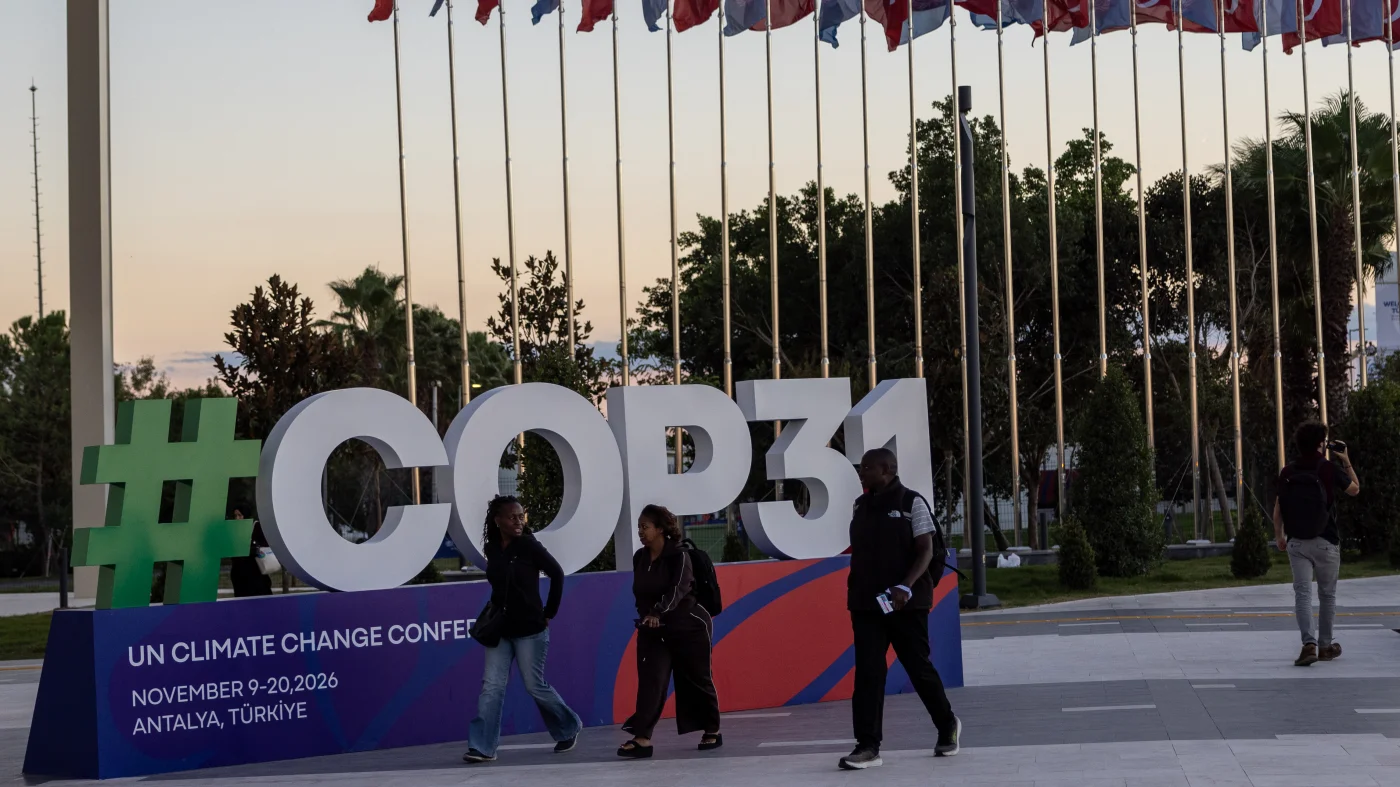
COP31 Opens in Turkey Under a War-Driven Energy Shock and Without a U.S. Delegation
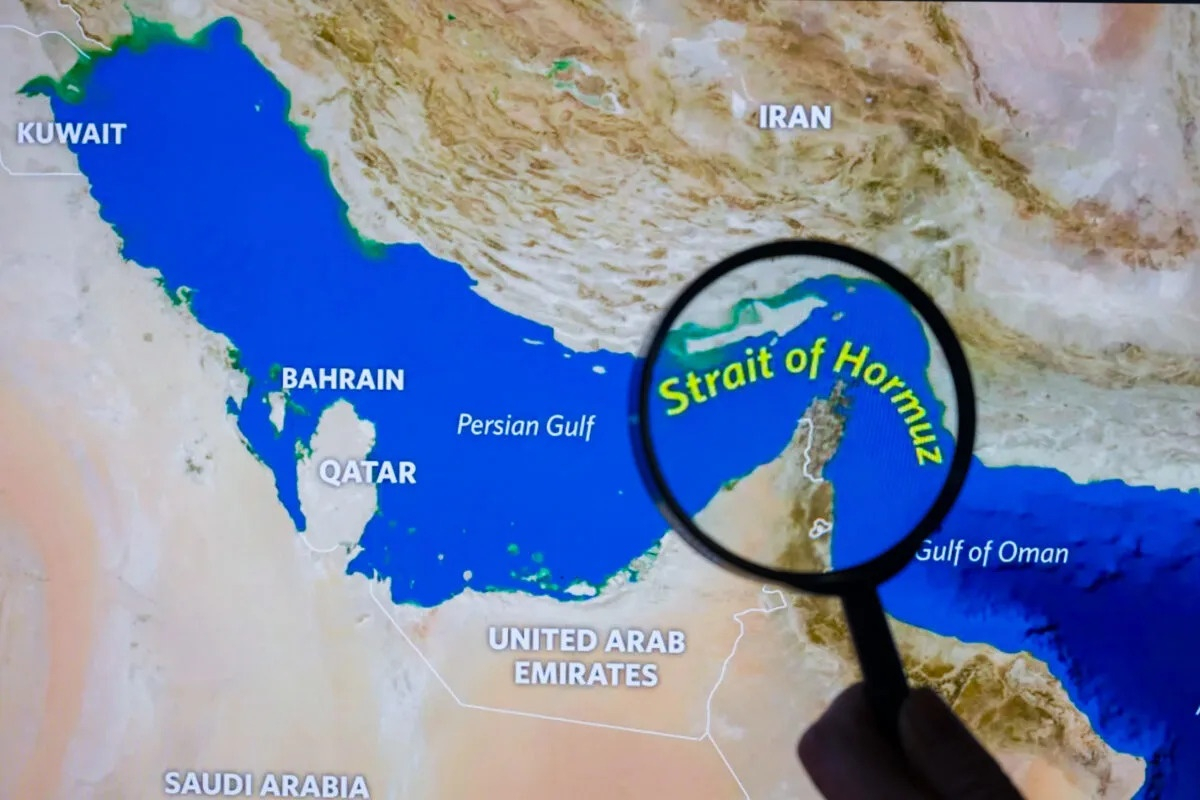
The two-week U.N. climate summit in Antalya begins as the closure of the Strait of Hormuz pushes governments toward electrification and fossil-fuel phase-out talks.
Topic
31 stories from Planck Standard. Latest: November 9, 2026.

The two-week U.N. climate summit in Antalya begins as the closure of the Strait of Hormuz pushes governments toward electrification and fossil-fuel phase-out talks.

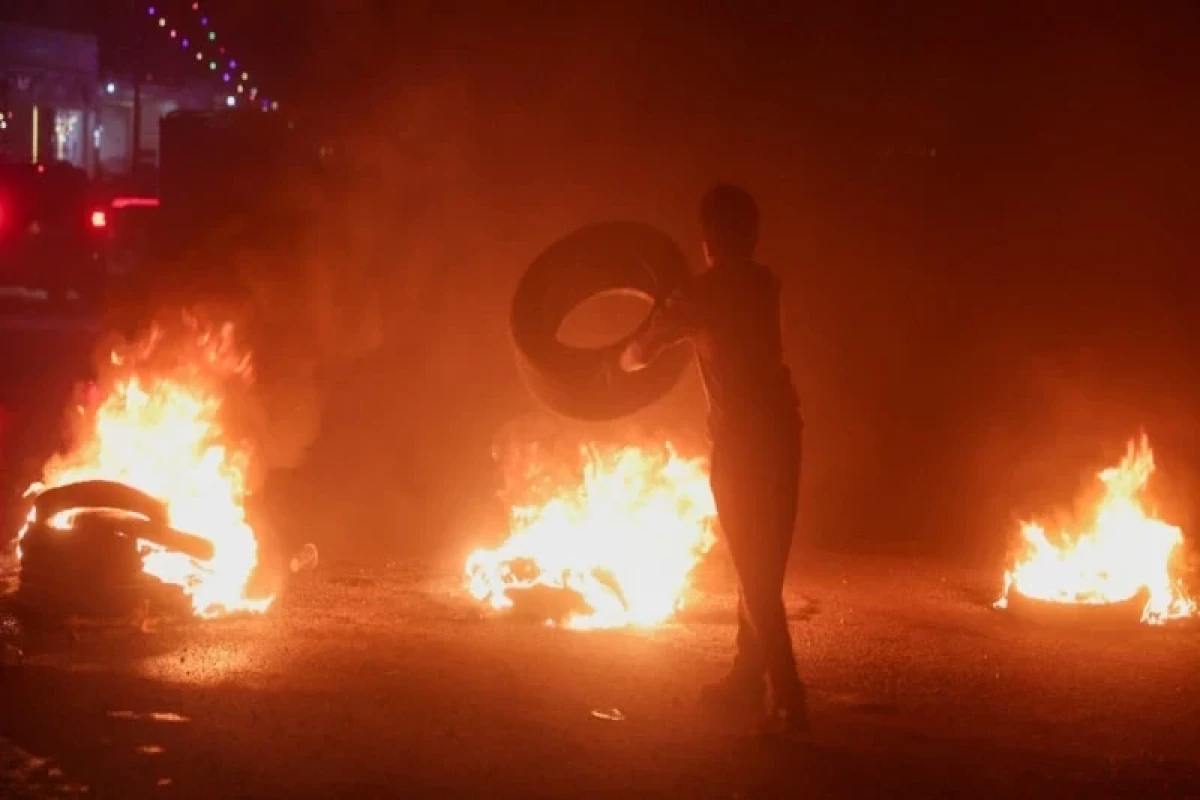
The energy minister blamed the U.S.-Iran war and said the increase is temporary. Syria pumps about 102,000 barrels a day and burns 325,000. Monitors say security forces fired live rounds to clear at least one road.

In Santiago de Cuba, the cradle of the Cuban revolution, apartment tower residents resort to firewood and charcoal fires as cooking gas shortages spread across the island.

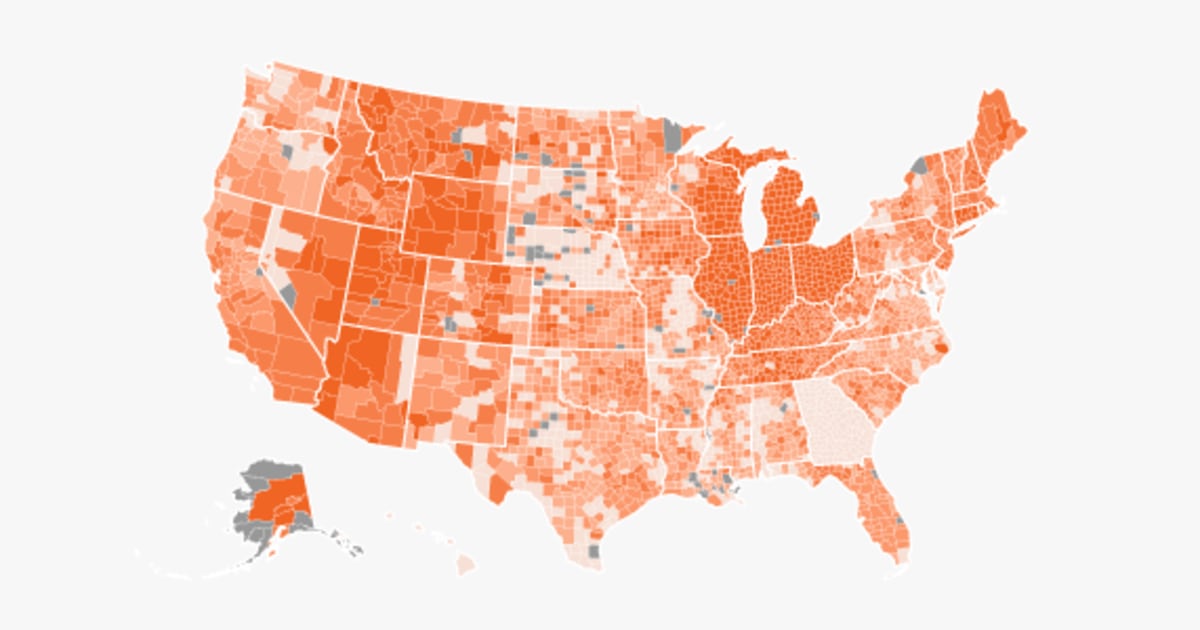
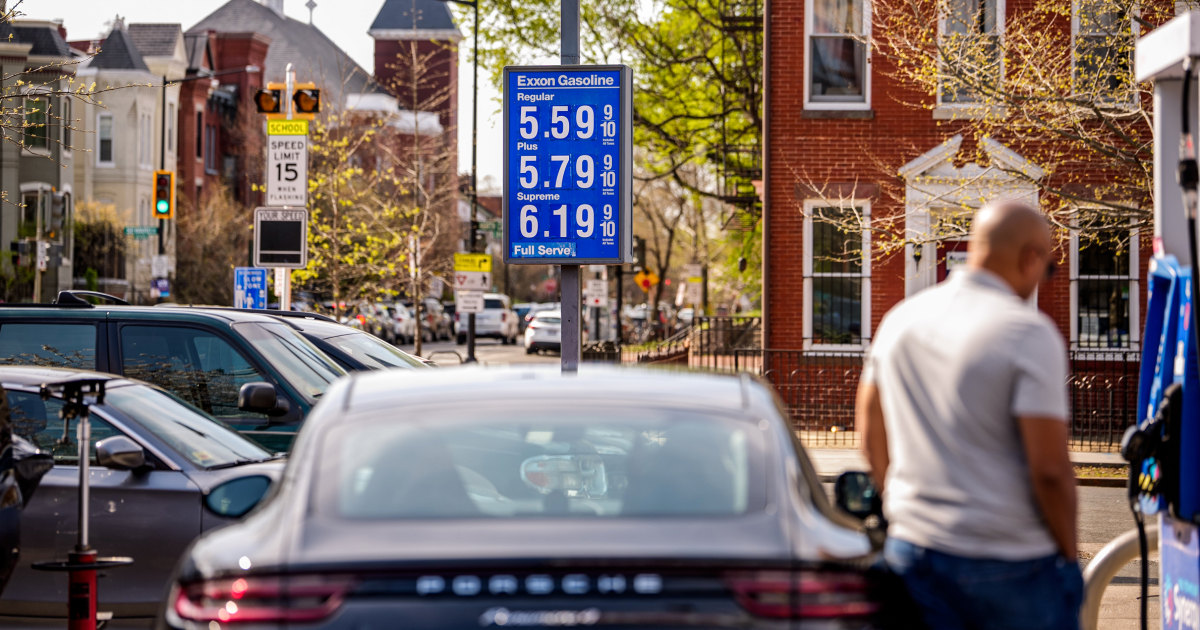
An NBC News analysis reveals stark regional differences in how the Iran conflict has affected fuel costs, with some areas seeing much steeper increases.
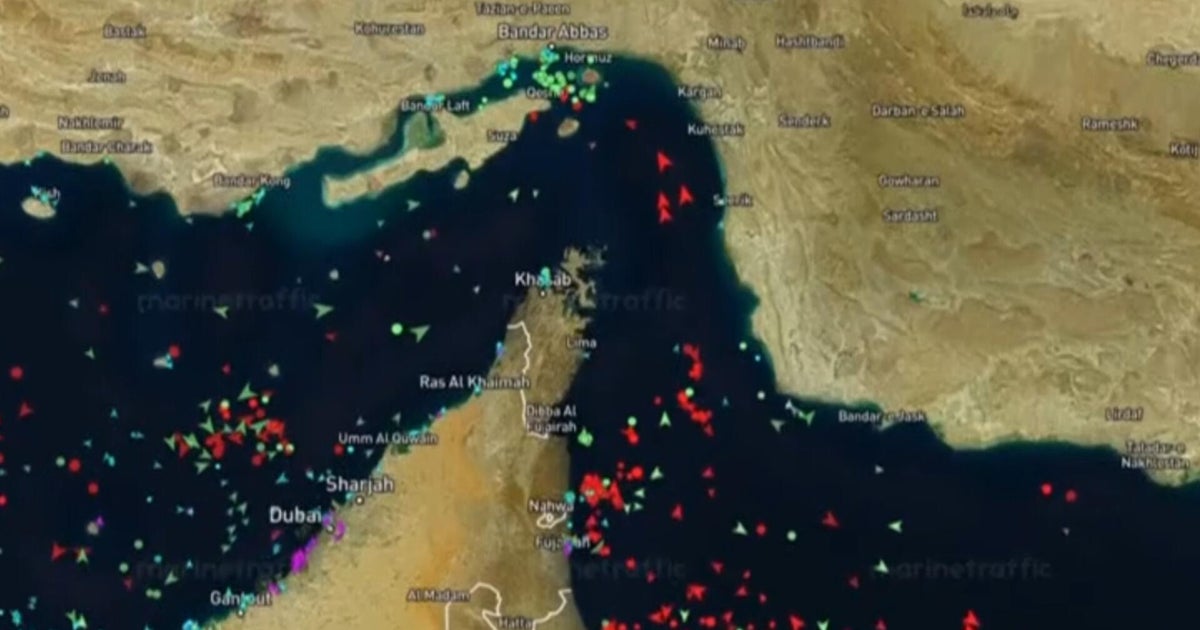
U.S. Navy blockade intercepts ships attempting passage while Iranian attack fears keep commercial vessels away from critical oil shipping route.

The conflict in Iran has prompted neighboring nations to turn to Beijing for assistance, giving China the regional sway it has long sought to establish.

Ayatollah warns Trump's naval blockade is 'doomed to fail' as oil prices soar amid ongoing standoff over critical Strait of Hormuz shipping route.
Energy markets surge to highest levels in years as prolonged military standoff threatens global economic growth through broader inflation fears.

Prices jumped 1.6% Tuesday in the largest single-day increase in over a month as supply shortages intensify from the ongoing Middle East conflict.

The Gulf nation's exit deals a significant blow to the oil cartel's influence as global energy markets face unprecedented disruption from the Iran war.
The Asia-Pacific region faces mounting economic disruption as the Iran conflict creates widespread energy bottlenecks and supply chain chaos.
Major stock indexes hit all-time highs while crude futures tumble after Iranian foreign minister announces strait open for commercial vessels.
In a ceremony at Miraflores Palace, Chevron secured new Orinoco Belt drilling rights and a higher stake in PDVSA joint ventures, aiming to reach 300,000 barrels per day as the Trump administration leverages eased sanctions.

PM Micheál Martin's coalition held on by a 92-78 vote after farmers and truckers blockaded Ireland's oil infrastructure for six days, forcing the government to announce a €505 million relief package amid soaring energy costs.
U.S. crude hit $104.24 and Brent crude $102.29 on Monday as the naval blockade of Iranian ports throttled a waterway handling 20% of the world's oil supply.

With jet fuel at $195 per barrel — more than double last year's average — and European strategic reserves depleting fast, the Airports Council International has warned of a systemic shortage that could ground flights across the continent.

Energy markets surge and stocks tumble as President Trump's ultimatum for reopening the Strait of Hormuz approaches this evening.

WTI crude hit $112.80 per barrel on April 2 as Iran's five-week blockade of the Strait of Hormuz removed 12 million barrels per day from global markets — more than two previous oil crises combined.

U.S. oil experienced its largest one-day price increase in six years while gasoline costs hit $4.08 per gallon nationwide amid supply disruptions.

The International Energy Agency says the closure exceeds both 1970s oil shocks combined, with oil above $105 a barrel and gas passing $4 a gallon as 2,000 vessels sit trapped in the Persian Gulf.
With Ras Laffan halted by a drone attack, Ras Tanura hit by Iranian missiles, and Maersk suspending all Hormuz transits, Europe is drawing down gas reserves at emergency rates while fertilizer prices threaten to spike food inflation across the continent by summer.
The tanker carrying crude oil is expected to reach its destination Tuesday, providing critical energy relief to the Caribbean island amid mounting U.S. pressure.
WatchWith up to 20 million barrels per day cut off from global markets, the International Energy Agency has called Iran's selective chokepoint closure the most severe energy disruption ever recorded — and there is no end in sight.
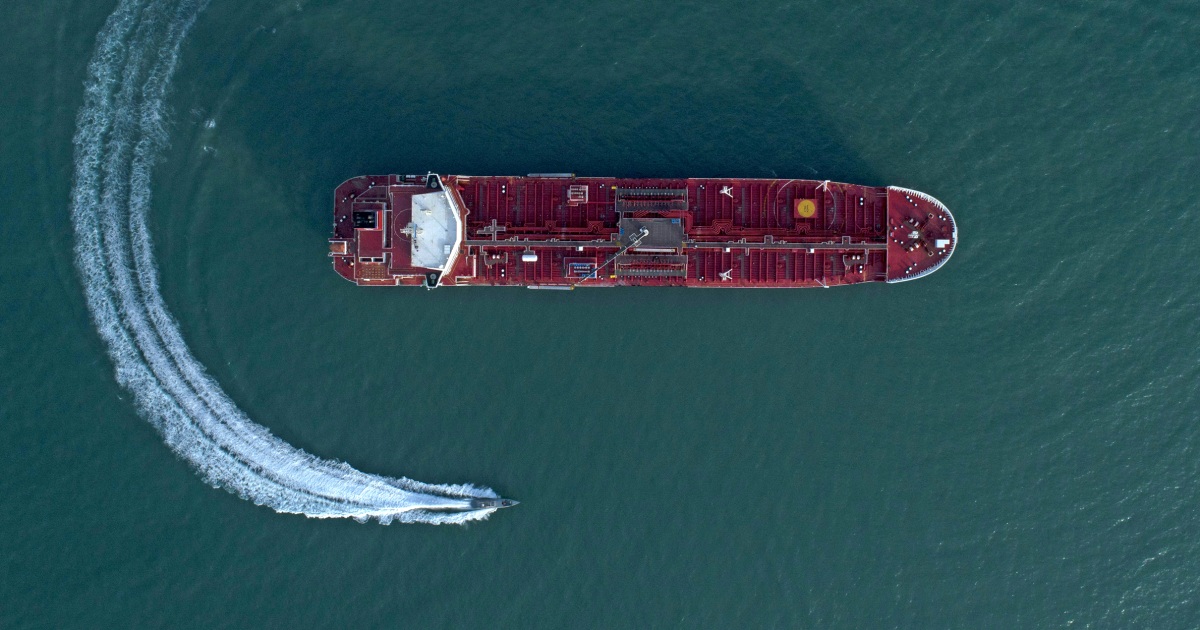
Iran's Revolutionary Guard has blocked dozens of vessels and forced Chinese tankers to pay yuan-denominated tolls, sending Brent crude to its highest level in years and devastating economies from East Africa to Qatar.

European politicians risk voter anger if they join America's war, but face potential domestic upheaval if they fail to reopen blocked shipping routes.
National security correspondent analyzes how Iranian missile strikes have largely shut down the critical shipping lane, creating major challenges for the administration.
Drivers across the South and Southwest face the steepest increases, with Colorado hit particularly hard as the conflict disrupts global energy markets.
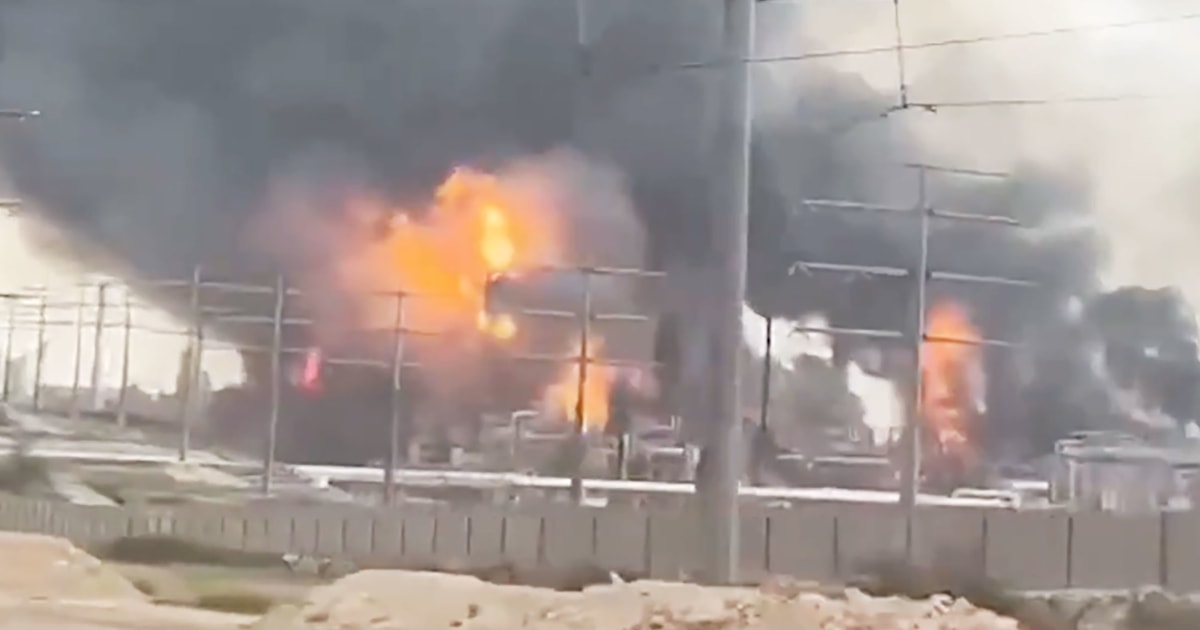
An Iranian missile struck Ras Laffan Industrial City on Wednesday, sparking fires and damaging two production trains at the world's largest LNG export complex; QatarEnergy CEO Saad al-Kaabi declared force majeure on all contracts and said repairs could take three to five years.
WatchIsraeli jets hit the facility that supplies 70% of Iran's domestic gas, sending Brent crude above $119 a barrel and triggering retaliatory Iranian strikes on Saudi refineries and Qatari LNG plants.
WatchThe world's largest LNG export complex suffers "extensive damage" as Brent crude surges 8% and Qatar expels Iranian diplomats within 24 hours.

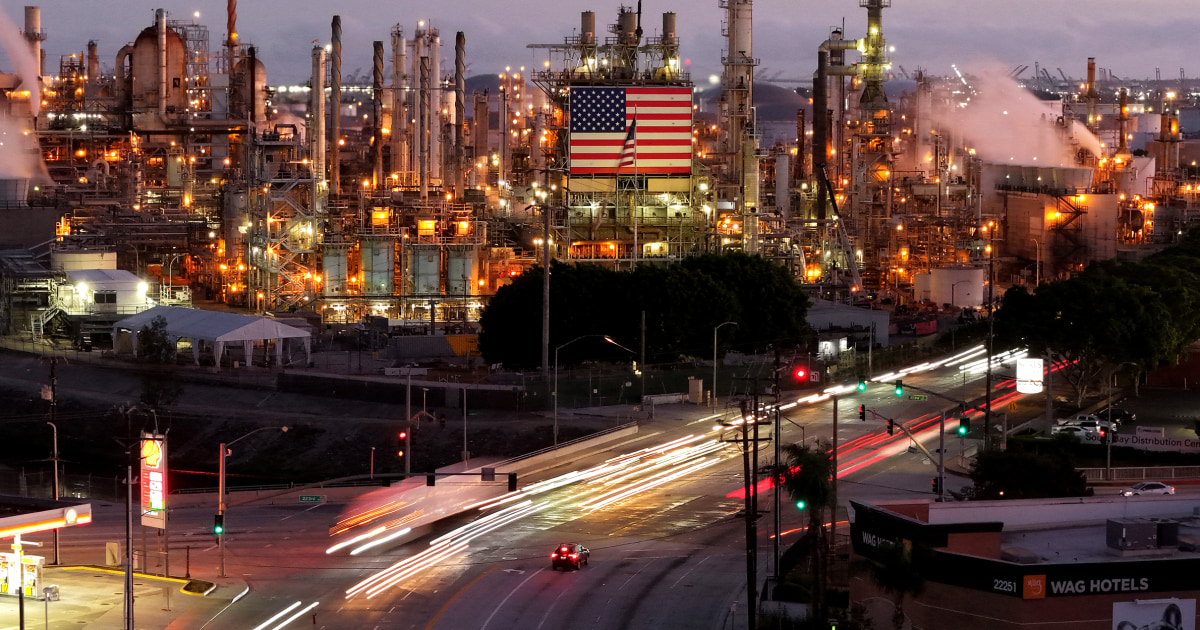
Ongoing war disrupts global oil supply chains, squeezing consumers and threatening broader economic fallout