IEA: Strait of Hormuz Closure Is Worst Oil Disruption in History — 12 Million Barrels Daily Lost, $105 Oil
The International Energy Agency says the closure exceeds both 1970s oil shocks combined, with oil above $105 a barrel and gas passing $4 a gallon as 2,000 vessels sit trapped in the Persian Gulf.

The International Energy Agency declared this week that the closure of the Strait of Hormuz during the ongoing U.S.-Israel war on Iran represents "the largest supply disruption in the history of the global oil market" — exceeding both oil shocks of the 1970s combined — as Brent crude surged past $105 per barrel and U.S. pump prices crossed $4 per gallon for the first time since 2022.
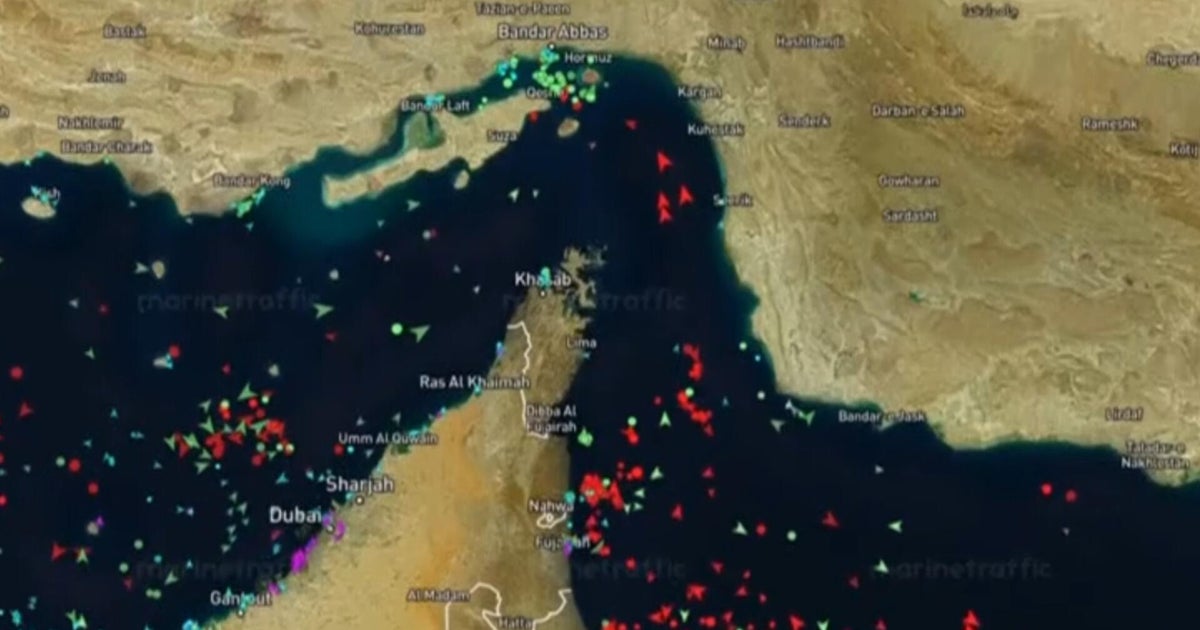
The Strait of Hormuz, the narrow waterway between Iran and Oman that connects the Persian Gulf to the open ocean, has been effectively closed to commercial shipping since shortly after the war began 33 days ago. Approximately 20% of the world's daily oil supply normally transits the strait — roughly 21 million barrels per day. The IEA estimates that 12 million barrels per day of that flow has been disrupted, a figure that dwarfs the approximately 4 million barrels per day lost during the 1973 Arab oil embargo and the roughly 5.6 million barrels per day disrupted during the 1979 Iranian Revolution. IEA Executive Director Fatih Birol described the disruption as "unprecedented" and warned that conditions will worsen significantly if the strait is not reopened by mid-April.
Nearly 2,000 vessels are currently trapped inside the Persian Gulf, unable to exit through the strait, according to the International Maritime Organization. These include oil tankers, liquefied natural gas carriers, container ships, and bulk carriers. Insurance underwriters have suspended policies for new entries into the Gulf, effectively halting commercial traffic even for routes not directly in active conflict zones. The IMO said Tuesday that its emergency working group is in daily contact with all parties but has no mechanism to compel reopening of the waterway.
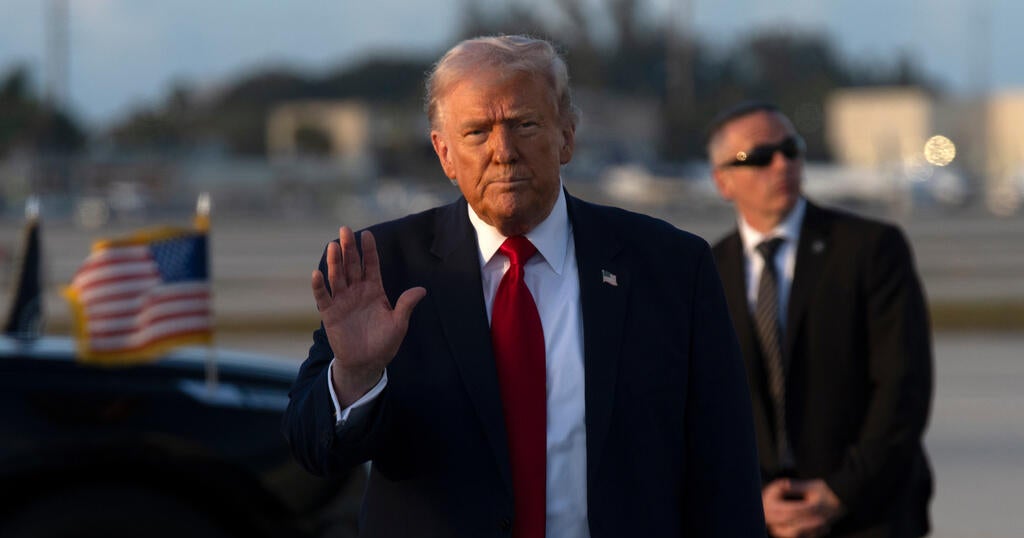
Financial markets have registered the shock clearly. Brent crude spent most of March between $80 and $90 per barrel before surging following President Trump's April 1 primetime address to the nation, in which he vowed to hit Iran "extremely hard" for two to three more weeks while offering no exit strategy or ceasefire conditions beyond Iran reopening the strait. Following that speech, Brent rose above $105 and WTI crossed $103. Bloomberg Economics' SHOK model projects that at $110 per barrel, euro-area inflation would rise by approximately one percentage point and GDP would fall by 0.6%. At $170 per barrel — a level some analysts now consider possible if the closure extends through May — the economic impact roughly doubles into a significant stagflationary shock.
U.S. gasoline prices reached a national average of $4.07 per gallon on April 2, according to AAA — the first time prices have topped $4 since the summer of 2022. States with weaker refining infrastructure, particularly in New England and the Mountain West, are seeing prices above $4.50. The Biden and Trump administrations had both drawn on the Strategic Petroleum Reserve during previous price spikes; the IEA is now weighing a coordinated member-country release from strategic reserves, though officials acknowledge that even a maximum release would only partially offset the scale of current disruptions.
More than 30 countries held a virtual emergency meeting on April 2 to discuss restoring freedom of navigation in the strait — notably, the United States was not invited to participate. French President Emmanuel Macron described Trump's stated goal of getting allies to reopen the strait by military force as "unrealistic." Trump responded on social media: "Go get your own oil." The exchange illustrated the degree to which the energy crisis has become entangled with deeper divisions in the Western alliance, with European and Asian economies most exposed to Hormuz-dependent supply chains increasingly frustrated by an American posture they regard as strategically incoherent.