Syria Raised Diesel 40% at Midnight. By Sunday, Protesters Were Burning Tires on the Hasakah-Deir Ezzor Highway and Turning Back Oil Tankers.
The energy minister blamed the U.S.-Iran war and said the increase is temporary. Syria pumps about 102,000 barrels a day and burns 325,000. Monitors say security forces fired live rounds to clear at least one road.
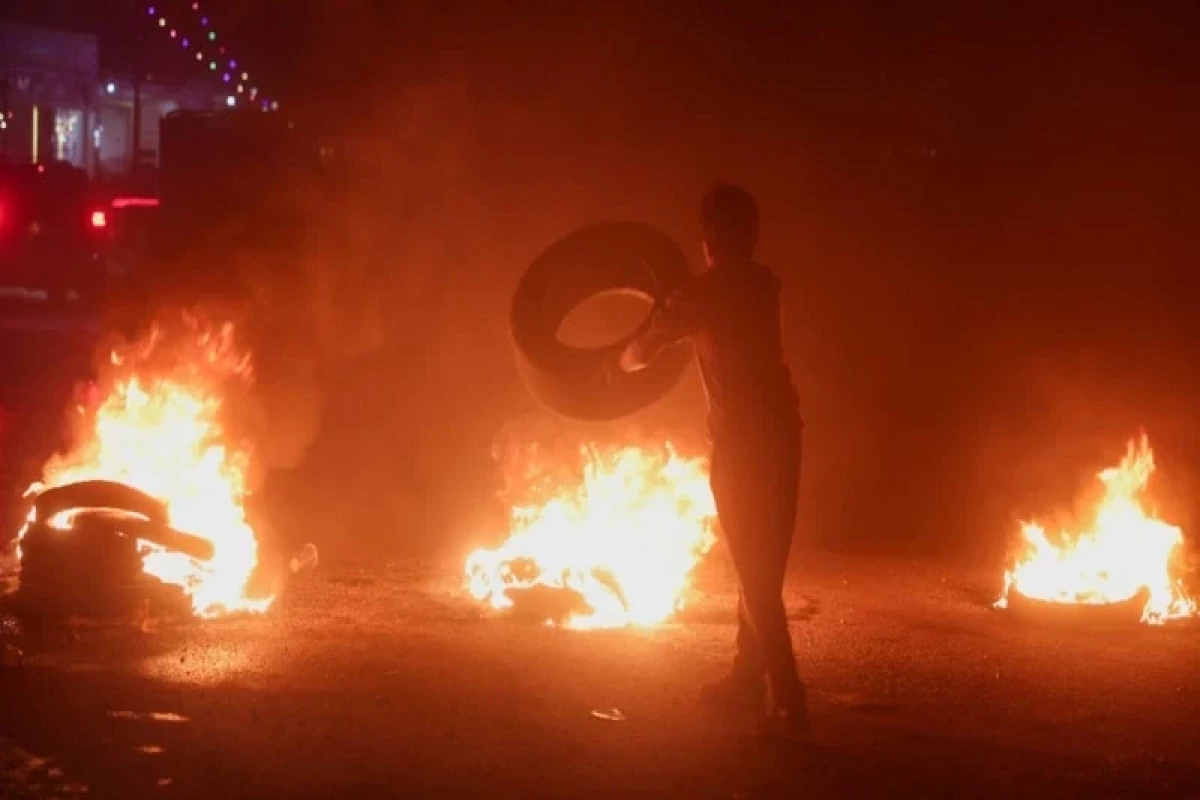
Protests spread across northeastern and northwestern Syria on Sunday after the government raised fuel prices overnight, with demonstrators burning tires on highways, blocking crude oil tankers bound for the interior and, in some towns, shutting down public transport. The increases took effect at midnight. Diesel rose 40%, from 125 to 175 Syrian pounds a liter. Gasoline went up by 28.3% for 95-octane, to 195 pounds a liter, and by 25.9% for 90-octane, to 185 pounds.
Energy Minister Mohammed al-Bashir said the government had no choice. Syria produces roughly 102,000 barrels of oil a day and needs about 325,000 to meet domestic demand, he said, leaving it dependent on imports whose cost has climbed with world prices since the United States and Iran went to war. A major refinery is also shut for maintenance. The government described the increase as temporary. A media official at the energy ministry acknowledged that the new prices "would place an additional burden on Syrians already struggling with difficult living conditions."
The first reported protests came in Markada, in the southern countryside of Hasakah province, where residents set tires alight and cut the main road linking Hasakah with Deir Ezzor. By afternoon, similar road closures had been reported in towns and villages across the countryside of Hasakah, Deir Ezzor and Raqqa, the three provinces that hold most of Syria's oil fields. Protesters stopped tanker trucks carrying crude toward the interior and turned them back. In Idlib province, demonstrators blocked the main highway at Maarat al-Numan for several hours with burning tires and debris.
The Syrian Observatory for Human Rights, a Britain-based monitor with a network of contacts inside the country, said security forces attached to the Interior Ministry fired live ammunition while trying to disperse demonstrators at one of the blockades. There were no immediate reports of deaths. The observatory also reported transport strikes in Hasakah and Deir Ezzor, with minibus and taxi drivers refusing to operate at the new fuel cost.
The protests are the most visible sign yet of how the Hormuz crisis is landing in countries far from the Gulf. Syria's post-war government has spent the past year trying to restart an economy shattered by 14 years of civil war and sanctions, and fuel subsidies are one of the few tools it has to keep prices bearable for a population where most families live on a few dollars a day. Diesel is what runs the generators that cover for a grid that still delivers only a few hours of power in most areas, and it is what powers the water pumps and the trucks that move food.
The choice of where the anger surfaced first matters. The northeastern provinces were under Kurdish-led control for most of the war and have only recently come under the central government's administration, and many residents there remain wary of Damascus. Oil from the same fields now being blockaded by protesters is the state's main domestic source of fuel. The government has not said whether it would send additional forces to reopen the roads or whether it would reconsider the price increase.
The government has described the increase as temporary. It has not said when, or under what conditions, it would be reversed.
Originally reported by Xinhua.