U.S. and Lebanon Shield Syrian Chemical Weapons Chief Wanted Over Austin Tice, NPR and BBC Find
Bassam al-Hassan, sanctioned by the U.S. Treasury, lives in Beirut under an arrangement with the FBI and Lebanese security officials in exchange for information on the missing journalist.
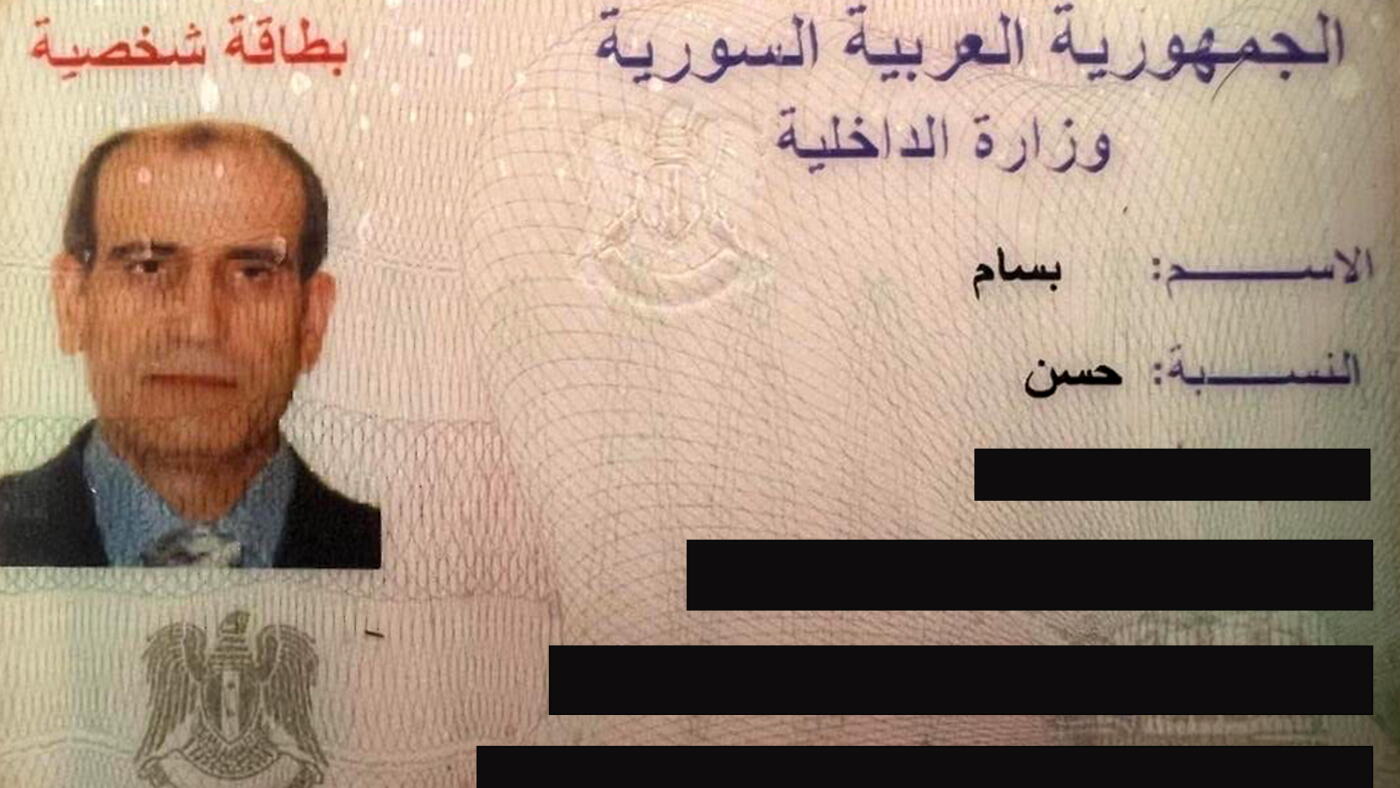
A former Syrian general who faces U.S. sanctions and is wanted internationally for crimes against humanity is living quietly in Lebanon, bankrolled and protected by American and Lebanese authorities, according to a joint investigation by the BBC and NPR. Bassam al-Hassan oversaw Syria's chemical weapons program and was a senior adviser to former President Bashar al-Assad. He moved to Beirut after fleeing Syria when the Assad regime collapsed in December 2024.
Four sources familiar with the arrangement, who asked for anonymity because of threats to their livelihoods and safety, told the reporters that Hassan has been allowed to stay in part because of his willingness to share information about the 2012 abduction of American journalist Austin Tice, along with other intelligence. The BBC reviewed a detailed record of a meeting between Hassan, FBI and CIA representatives and Lebanese security officials in which Tice's case was discussed. In it, Hassan is offered "residency," "protection" and help securing his "living needs." Sources said he receives money through an intermediary, which makes it harder to trace.
Officials from two branches of Syria's new government told NPR and the BBC they want Hassan returned to Syria to face trial, but that U.S. authorities want him kept in Beirut and Damascus can do little about it. When BBC reporters reached Hassan by phone last year, he told them to ask the FBI and CIA officials at the U.S. embassy for permission to speak. The CIA and Lebanon's General Directorate of General Security did not respond to requests for comment. The FBI declined to comment and pointed to a past statement saying its focus remains on establishing the facts in the Tice case and securing his return.
Hassan told U.S. investigators last year that Tice was executed on Assad's orders, the BBC reported, but several people with knowledge of the investigation question his account. He gave a potential location for Tice's remains. Multiple sources said the site was searched and nothing was found, which casts doubt on some of his information. Two sources with direct knowledge of the operation said U.S. authorities stopped digging before the search was finished, possibly over security concerns.
Phil Elwood, a spokesperson for the Tice family, said that if the findings are true, "the fact that our tax dollars are being used to furnish a comfortable life for someone associated with the use of chemical weapons on Syrian civilians, who claims to have had Austin Tice executed, is offensive." He called it "nothing less than aiding and abetting the escape of a wanted war criminal" and said Syrians deserve justice. Tice's mother, Debra, flew to Lebanon in May 2025 to try to meet Hassan but was unsuccessful. An FBI official had told her Hassan was in Beirut and that agents had spoken to him.
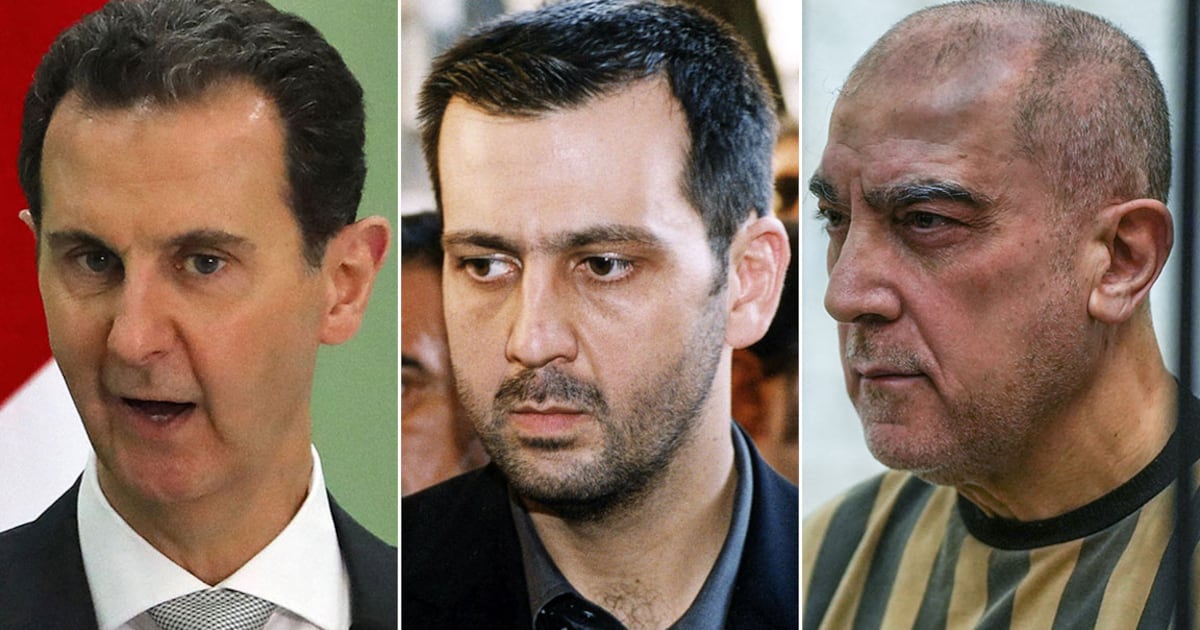
Other former regime figures tied to the case have also found refuge abroad. One former regime member said he received money from the FBI several times in exchange for cooperation, and admitted it was "not in my interest to share all the information all at once" so he could keep the payments coming. Mohammad Makhlouf, a senior officer at the facility where Tice was held, lives in Lebanon. Ghassan Nassour, a former Republican Guard general, is said to be living in the United Arab Emirates. NPR and the BBC reported last month that Tice's abduction was a planned operation with Hassan in the chain of command.