Strait of Hormuz Blockade Sends Crude to $120 as IEA Declares Largest Oil Supply Disruption in History
With up to 20 million barrels per day cut off from global markets, the International Energy Agency has called Iran's selective chokepoint closure the most severe energy disruption ever recorded — and there is no end in sight.

Brent crude oil surged past $120 per barrel on Friday, March 27, reaching levels not seen since the summer of 2008, as Iran's selective blockade of the Strait of Hormuz entered its fifth week with no diplomatic resolution in sight. The International Energy Agency declared the crisis the "largest supply disruption in the history of the global oil market," with as much as 20 million barrels per day cut off from global buyers — roughly 20 percent of all crude traded internationally.
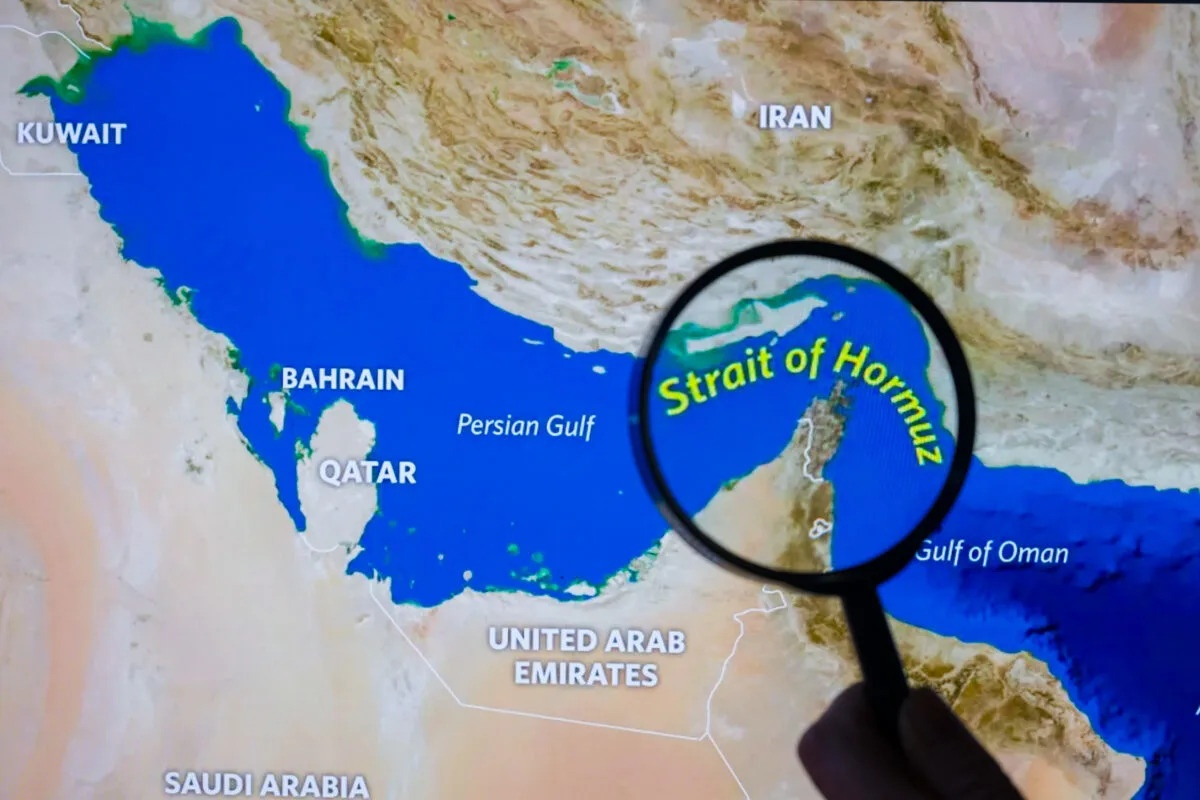
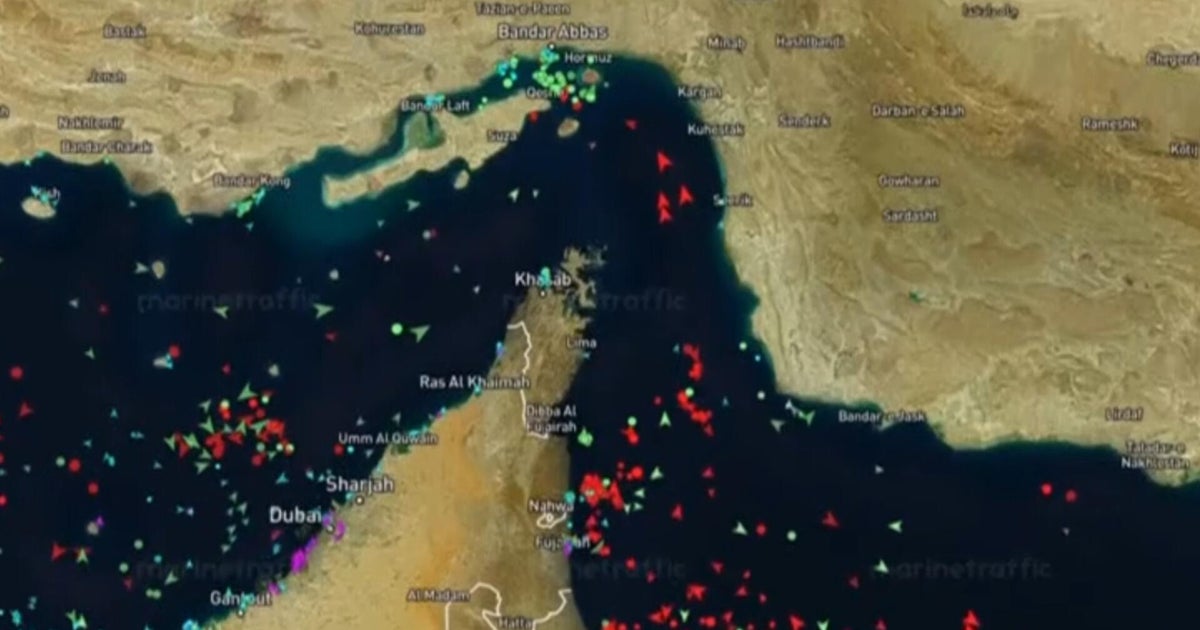
The Strait of Hormuz, a narrow waterway between Iran and Oman, is the world's most critical oil chokepoint. Qatar, the UAE, Kuwait, Saudi Arabia, and Iraq all depend on the strait to export their energy to Asian markets. Since Iran began selectively blocking tankers on March 1, dozens of vessels have been turned away, delayed, or in some cases seized. Iranian authorities have demanded payment of a "transit fee" from non-aligned nations — a practice widely condemned as piracy by Western governments. Twenty Pakistani-flagged vessels received specific approval to transit the waterway Sunday, reflecting the patchwork of diplomatic arrangements now governing one of the world's busiest shipping lanes.
US gasoline prices crossed $4 per gallon nationally for the first time since late 2023, with California and other high-cost states approaching $5. Airlines have imposed fuel surcharges on transatlantic and transpacific routes, and shipping companies have re-routed vessels around the Cape of Good Hope — adding up to two weeks to typical delivery times. South Korea, Japan, and Taiwan — all major Persian Gulf oil importers — have authorized emergency releases from their strategic petroleum reserves, while Australia announced free public transit in two states through July to cushion citizens from fuel price spikes.
Stock markets are sliding globally under the weight of the energy shock. South Korea's benchmark index fell 3 percent Friday, and a broad gauge of Asian shares hit its lowest level of 2026, with energy-sensitive sectors like airlines, chemicals, and manufacturing leading declines. Since the war began five weeks ago, Brent crude has risen more than 50 percent. February US import prices already jumped 1.3 percent — the largest monthly increase since March 2022 — and the OECD has sharply raised its US inflation forecast to 4.2 percent, far above the Federal Reserve's own 2.7 percent projection.
The Trump administration faces competing pressures. On one hand, high gasoline prices are politically damaging and could threaten the economic expansion the White House has staked its credibility on. On the other, tapping the Strategic Petroleum Reserve prematurely could signal weakness in negotiations with Tehran. Secretary of State Marco Rubio met with Gulf state counterparts in Riyadh Thursday, pledging that the US would work to restore normal tanker traffic "within weeks." Saudi Arabia has quietly reopened pipeline capacity to the Red Sea to route some crude around the blockade, but analysts say the volumes are insufficient to offset the Hormuz closure.
"We are in uncharted territory," said one senior IEA official speaking on background. "The world has never lost this volume of supply this quickly, and markets are adjusting in real time." With no ceasefire imminent and Iran maintaining its blockade as a negotiating card, energy analysts warn the oil shock could persist for months — and that the economic consequences will ripple far beyond the Middle East.