Trump Threatens to 'Massively Blow Up' Iran's South Pars as Israel Strikes World's Largest Gas Field
Israeli jets hit the facility that supplies 70% of Iran's domestic gas, sending Brent crude above $119 a barrel and triggering retaliatory Iranian strikes on Saudi refineries and Qatari LNG plants.
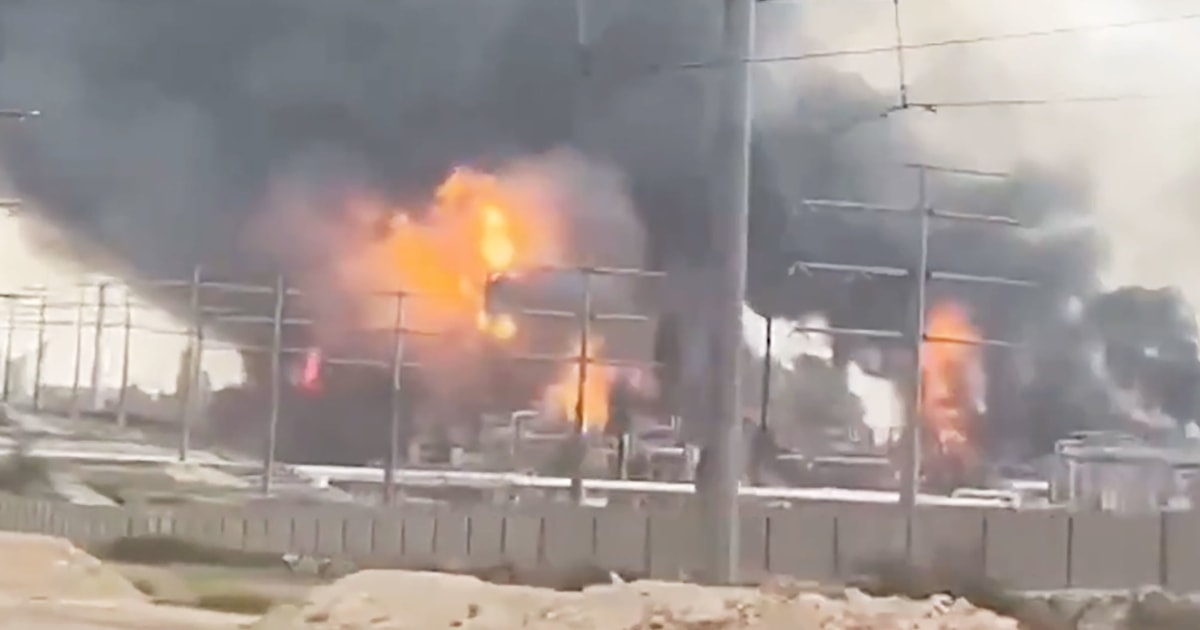
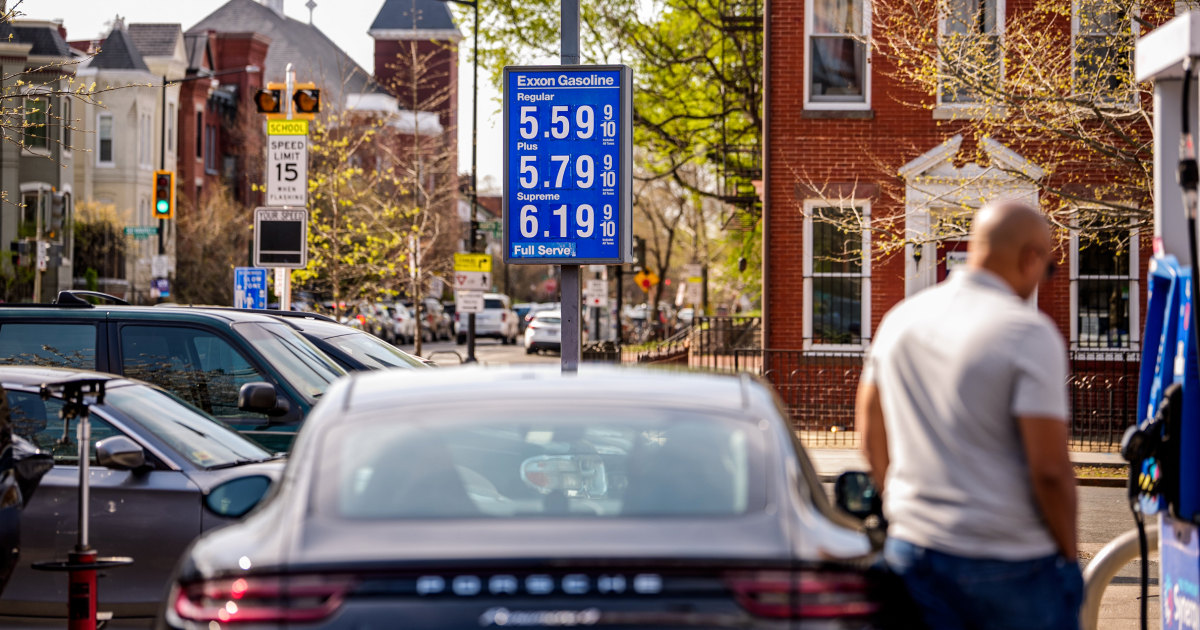
President Donald Trump threatened Thursday to "massively blow up" Iran's South Pars gas field — the world's largest natural gas reservoir — after Israeli jets struck the facility in a dramatic escalation that sent global energy markets into freefall and rattled every Gulf capital from Doha to Riyadh. Brent crude surged above $119 a barrel by Thursday morning, a rise of more than 50 percent since the war began on February 28, while European natural gas prices jumped 25 percent in a single trading session.
Israel's strike on South Pars, the vast offshore gas field Iran shares with Qatar, marked a significant new phase in a conflict that has already killed more than 1,200 people in Iran and 850 in Lebanon. The facility lies roughly 3,000 meters beneath the Persian Gulf and supplies an estimated 70 percent of Iran's domestic gas consumption, as well as a critical portion of the country's liquefied natural gas exports. Pentagon officials described the strike as "a warning" to Iran, and Defense Secretary Pete Hegseth confirmed Thursday that the United States would launch "the largest strike package yet" against Iranian targets later in the day.
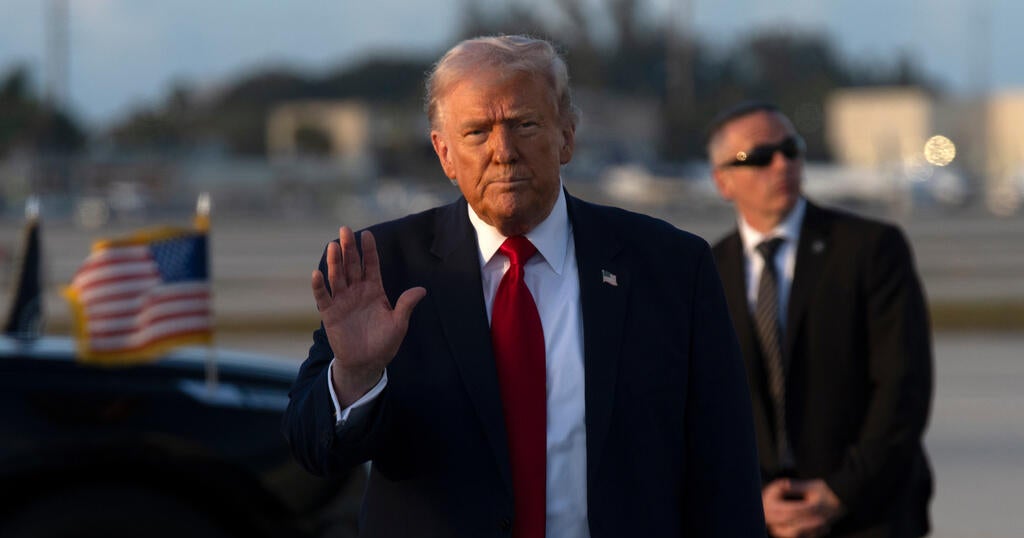
Trump, posting on Truth Social, publicly disavowed advance knowledge of the Israeli attack on South Pars. "The United States knew NOTHING about this particular attack," he wrote, though Axios reported that the White House had in fact "green-lit" and coordinated the strike with Israeli planners. Trump then issued a stark warning to Tehran: if Iran "unwisely decides to attack" Qatar, the U.S. "will massively blow up the entirety of the South Pars Gas Field at an amount of strength and power that Iran has never seen or witnessed before." Qatar, which shares North Field — the same geological formation as South Pars — with Iran, was quick to intercept four of five Iranian ballistic missiles aimed at its Ras Laffan industrial complex, though the Pearl Gas-to-Liquids plant sustained "extensive damage" and sizeable fires burned through the night.
Iran's Supreme Leader Ayatollah Ali Khamenei authorized retaliatory strikes across multiple Gulf states following the South Pars attack. The UAE intercepted 13 ballistic missiles and 27 drones on Wednesday alone; in total since the war's start, Emirati air defenses have neutralized 1,699 drones, 327 ballistic missiles, and 15 cruise missiles. Saudi Arabia's capital, Riyadh, reported two refineries struck in overnight attacks. Qatar's Foreign Ministry expelled Iran's ambassador and called the missile strike on Ras Laffan — which handles roughly 20 percent of global LNG supply — "an unforgivable act of aggression against civilian energy infrastructure."
Director of National Intelligence Tulsi Gabbard, testifying before the Senate Intelligence Committee Thursday, said the Iranian regime "appears to be intact but largely degraded due to attacks on its leadership and military capabilities." Senior intelligence officials have now confirmed that Iran's Security Chief Ali Larijani, Basij paramilitary commander Gholamreza Soleimani, and Intelligence Minister Esmail Khatib have all been killed in strikes over the past week. The cumulative toll in Iran from U.S. and Israeli strikes stands at at least 1,444 killed and 18,551 injured, according to Iranian state health data. In Israel, 14 people have been killed by Iranian attacks since the war began, and sirens sounded across the country Thursday morning as Iran launched another wave.
The economic fallout is spreading rapidly. The Federal Reserve, which held interest rates steady on Wednesday for the second consecutive pause in 2026, cited "elevated economic uncertainty" caused by the war's impact on global energy supplies. Treasury Secretary Scott Bessent told reporters the administration would consider releasing strategic petroleum reserves and was weighing allowing U.S. buyers to purchase Iranian crude directly — in effect using, as he put it, "Iranian barrels against Iranians to keep the price down." Economists at Goldman Sachs warned Thursday that a sustained oil price above $115 would shave approximately 1.2 percentage points from global GDP growth over the following 12 months. The Pentagon, meanwhile, has formally requested more than $200 billion in supplemental Congressional funding to sustain war operations through the fiscal year.