Trump's Threats Put European Leaders in Double Bind Over Iran War
European politicians risk voter anger if they join America's war, but face potential domestic upheaval if they fail to reopen blocked shipping routes.

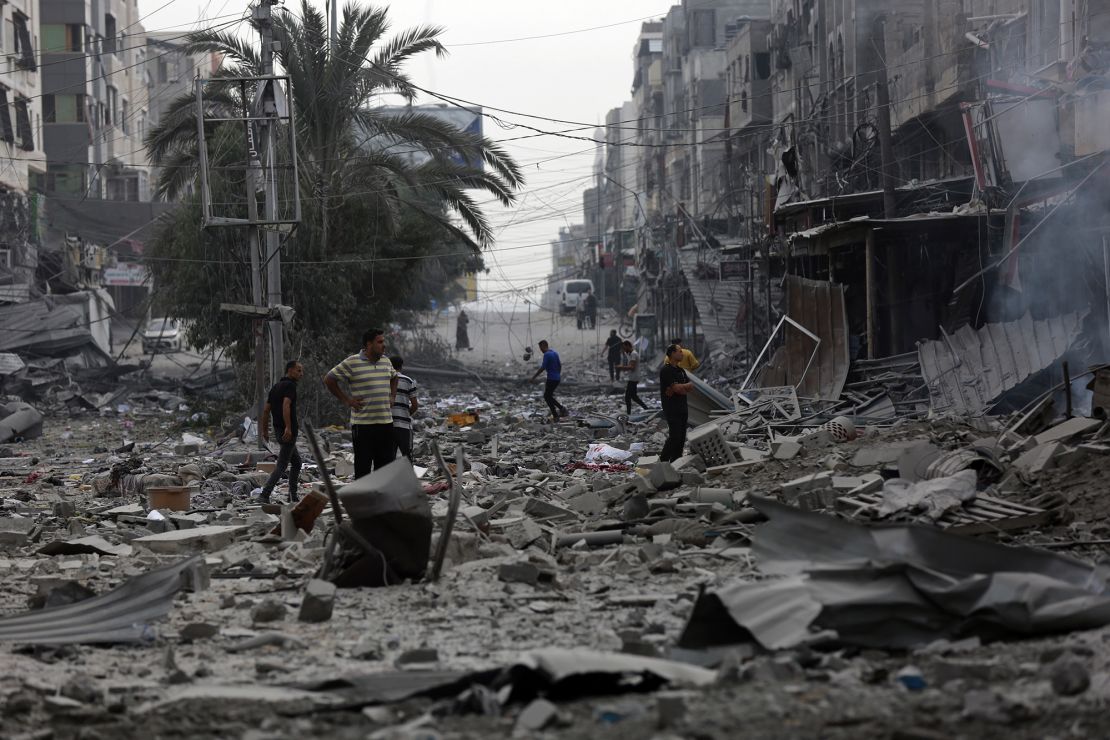
European leaders are caught in an increasingly untenable position as President Trump pressures them to contribute military forces to the campaign against Iran while their own voters overwhelmingly oppose involvement in the conflict, even as the economic consequences of inaction mount by the day.
The dilemma crystallized this week at the G7 summit in France, where European heads of state were confronted simultaneously with Trump's demands for naval support in the Strait of Hormuz and with surging energy prices that threaten to plunge the continent into its second energy crisis in four years. The result is a political trap with no obvious exit: joining the war risks massive public backlash, while staying out could mean enduring months of economic pain as energy supplies through the Gulf remain disrupted.
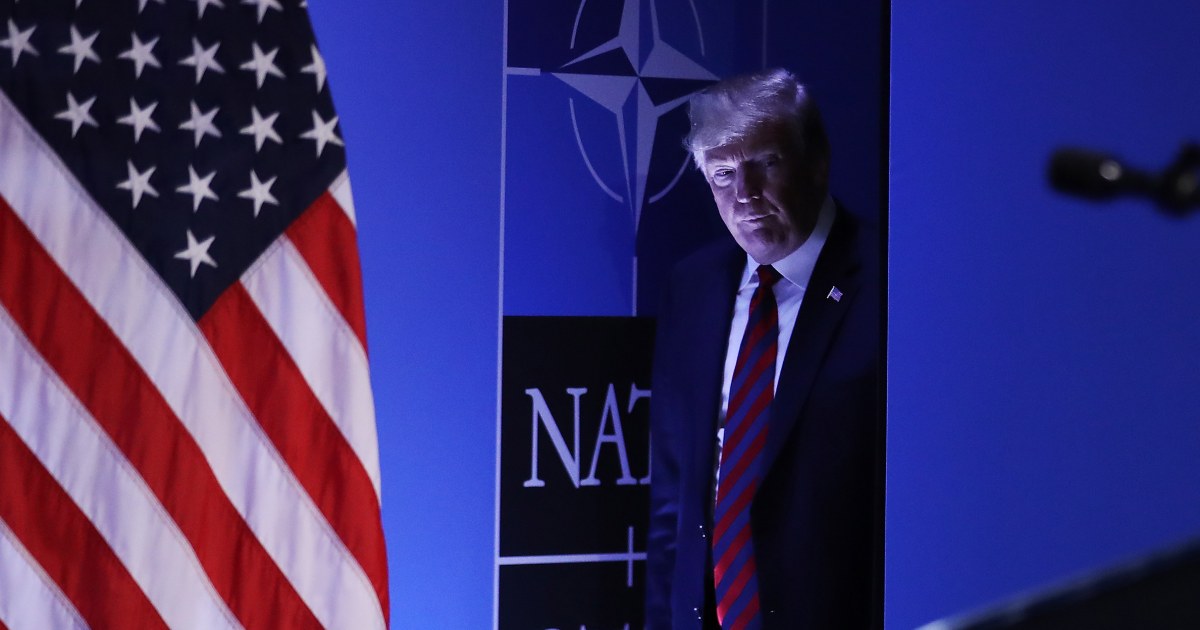
Trump escalated the pressure on Wednesday, calling European NATO allies who have declined to send warships to help secure the strait an unflattering name in a Truth Social post and warning that the United States would reconsider its security commitments to nations that refuse to share the burden of protecting global commerce. The threat carried particular weight in the context of Trump's longstanding skepticism of NATO and his first-term efforts to condition American defense commitments on European spending increases.
For European leaders, the political calculus is stark. Public opinion surveys across the continent show that large majorities oppose military involvement in the Iran conflict. A Eurobarometer poll released this week found that 74 percent of EU citizens oppose sending military assets to the Gulf, with opposition exceeding 80 percent in Germany, France, and Spain. Anti-war protests have drawn tens of thousands of demonstrators in several European capitals.
But the economic pressure is equally intense. The Strait of Hormuz carries approximately 20 percent of the world's oil supply and a substantial share of liquefied natural gas shipments. European nations are particularly vulnerable to disruptions in LNG supply from Qatar, which had increased its exports to Europe after the continent moved to reduce its dependence on Russian pipeline gas following Moscow's invasion of Ukraine. With the strait effectively blocked, European natural gas prices have more than doubled since the war began.
German Chancellor Friedrich Merz faces perhaps the most acute version of the dilemma. Germany's industrial economy is heavily dependent on affordable energy, and the Iran war has reignited fears of the economic devastation that accompanied the 2022 energy crisis. German manufacturers have warned that another sustained period of high energy prices could accelerate the deindustrialization that has been a growing concern in Europe's largest economy.
French President Emmanuel Macron has attempted to position France as a mediator, calling for an immediate ceasefire and proposing emergency negotiations under United Nations auspices. But the approach has gained little traction with either the United States or Iran, leaving Macron vulnerable to criticism that he is offering diplomatic rhetoric without substantive results.
British Prime Minister Keir Starmer has taken the most accommodating stance among major European leaders, authorizing Royal Navy vessels to participate in mine-clearing operations near the strait while stopping short of direct combat involvement. The decision has drawn criticism from Labour Party backbenchers but has helped insulate Britain from the harshest of Trump's rhetoric.
Several European nations have begun exploring alternative energy supply routes, including accelerated negotiations with North African gas producers and expanded LNG import capacity from the United States and Australia. However, infrastructure constraints mean that these alternatives cannot fully replace Gulf supplies in the short term, leaving Europe exposed to the conflict's energy effects for the foreseeable future.
NATO Secretary General Mark Rutte has attempted to broker a compromise under which European nations would contribute logistical and humanitarian support to the Gulf operation without direct combat involvement, but the proposal has satisfied neither Washington, which wants warships, nor European publics, which want no involvement at all. The alliance's credibility as a collective security organization is being tested in ways that could have lasting implications for transatlantic relations.