Ireland's Government Survives No-Confidence Vote as $600 Million Fuel Tax Package Quells Week-Long Protests
PM Micheál Martin's coalition held on by a 92-78 vote after farmers and truckers blockaded Ireland's oil infrastructure for six days, forcing the government to announce a €505 million relief package amid soaring energy costs.
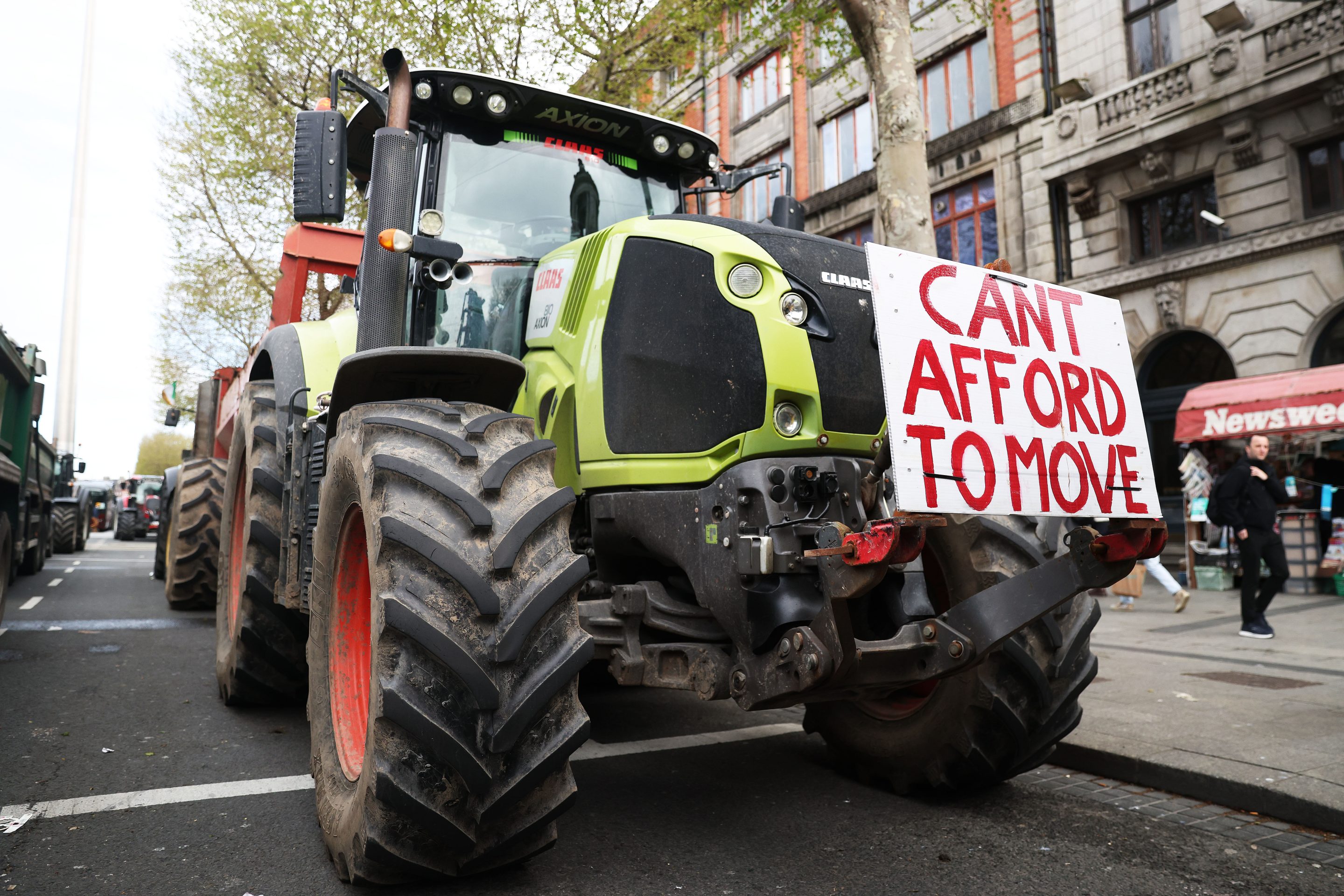
Ireland's ruling coalition government survived a parliamentary no-confidence vote on Tuesday by a 92-78 margin, narrowly outlasting a week of disruptive nationwide fuel protests that blockaded the country's only oil refinery, choked off fuel depots, and left more than a third of the nation's petrol stations dry.
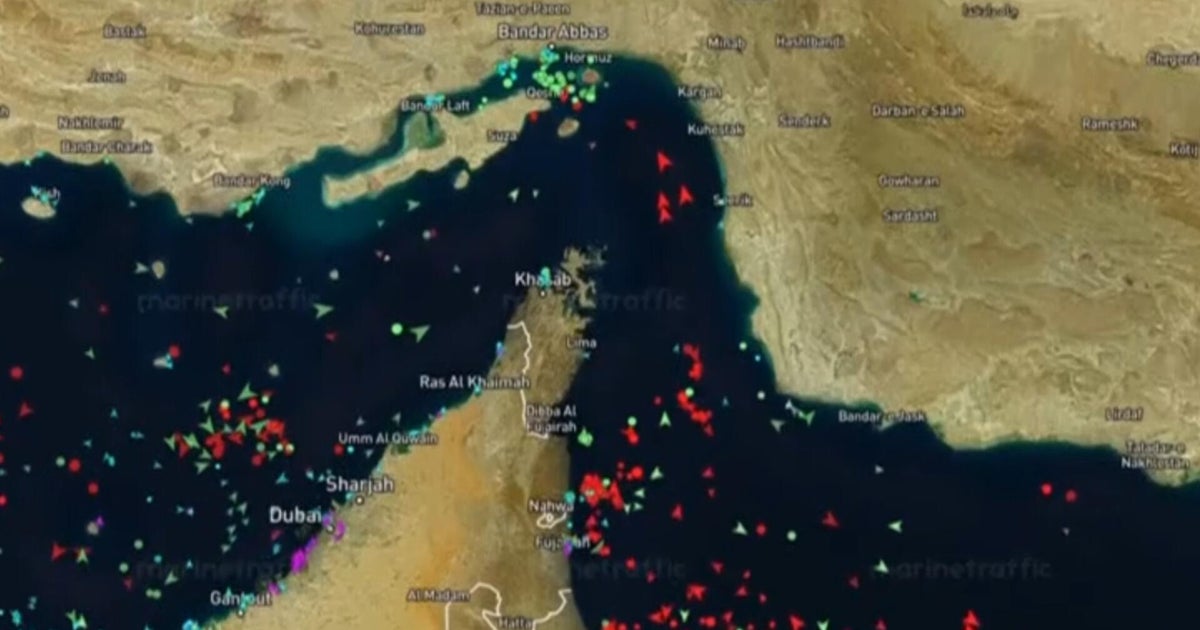
The protests, which began April 7, were led by farmers, truckers, taxi operators, and bus drivers demanding immediate relief from soaring fuel prices linked to the U.S.-Israel war on Iran and Iran's retaliatory closure of the Strait of Hormuz — the world's most critical oil shipping lane. Convoys of tractors and lorries paralyzed the M50 motorway in Dublin, blocked both lanes of O'Connell Street in Dublin city center, and choked ports in Galway, Limerick, and Cork. By Saturday, fuel shortages had spread across much of the country, with over one-third of petrol stations running dry.
Prime Minister Micheál Martin announced a relief package worth 505 million euros ($592 million) on Sunday, including an additional 10-cent cut in excise duty on petrol and diesel through July, direct payments to hauliers, bus operators, farmers, and agricultural contractors, and a deferral of a planned carbon tax increase until October. The announcement followed an earlier 250 million euro package approved three weeks prior. Martin defended his government's decision to deploy riot police to clear the Whitegate oil refinery and Dublin's main thoroughfare. "Higher fuel scarcity and higher fuel prices would actually have been the inevitable outcome of these blockades," Martin told parliament Tuesday.
The opposition Sinn Fein party, led by Mary Lou McDonald, brought the confidence motion after weeks of growing public fury. McDonald told a packed chamber that the government had lost the confidence of the public, and called Martin's handling of the crisis a failure of empathy and judgment. Despite the political theater, the government held together. Only junior minister Michael Healy-Rae voted against it, citing unmet demands from rural constituents who face some of the highest per-liter fuel costs in Europe. Full recovery to normal pump availability across Ireland is expected to take up to 10 days, energy suppliers said.
The confidence vote's outcome masks a deeper political wound. Sinn Fein has surged in opinion polls since the fuel crisis began, and a general election must be called within months under Ireland's constitutional calendar. Analysts expect the coalition's narrow escape to provide only temporary relief from mounting pressure. Ireland's plight reflects a broader pattern playing out across Europe as the Iran war's energy shock reverberates through import-dependent economies. Natural gas prices on the Dutch TTF benchmark, the European standard, have more than doubled since Iran's Revolutionary Guard closed the Strait of Hormuz in early March.
Ireland, which imports all of its oil and relies heavily on LNG imports for power generation, has been among the most exposed economies in Western Europe. The country's sole oil refinery at Whitegate, County Cork, has a capacity of just 71,000 barrels per day — enough to supply roughly a quarter of national demand — making it acutely vulnerable to any supply chain disruption. The government's 505 million euro package will ease the immediate pain but will not offset the structural impact of the energy crisis if the Strait remains blockaded. The European Central Bank has already signaled it will delay planned interest rate cuts, citing inflationary pressure from energy prices. For Irish consumers and small business owners who filled the streets last week, the government's survival offers little comfort if the global crisis driving their pain remains unresolved.